





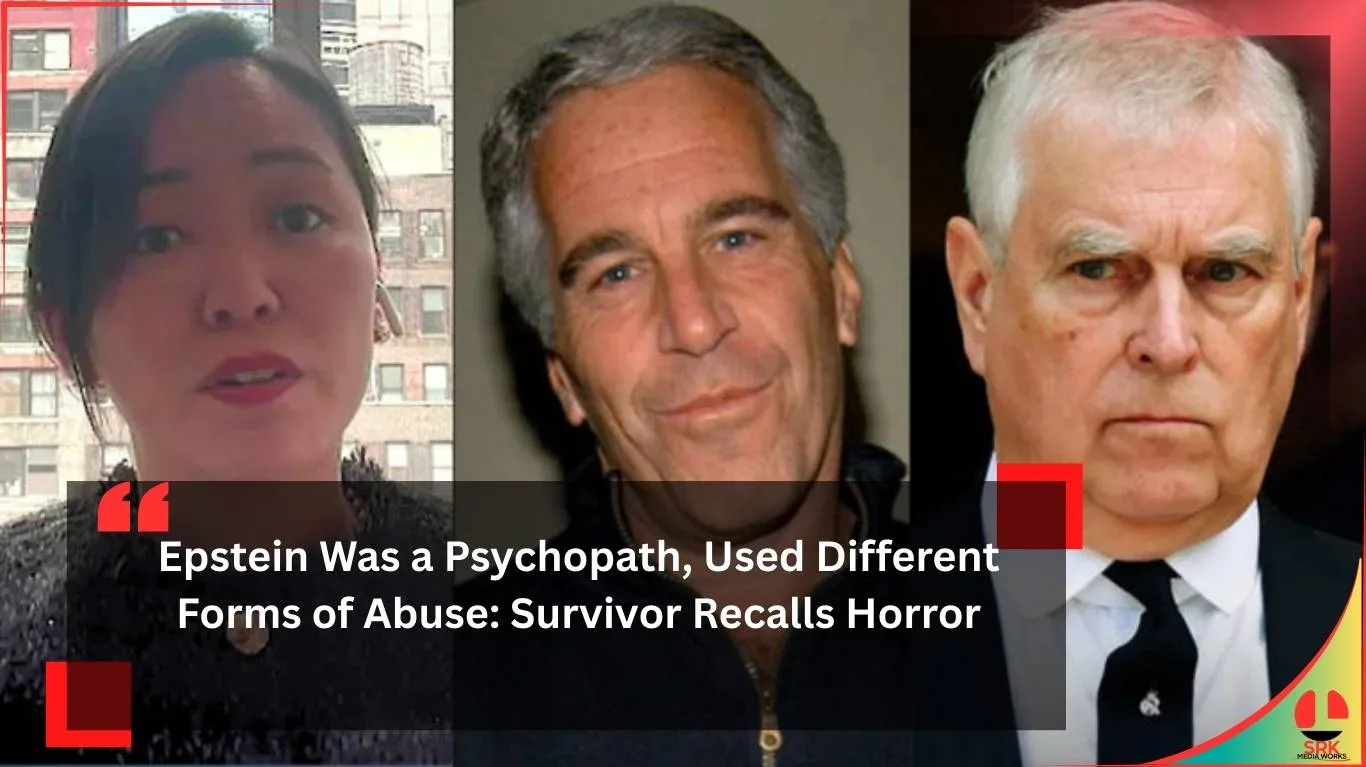
The disturbing legacy of Jeffrey Epstein continues to haunt survivors, as one of them recently came forward to describe the harrowing experiences of abuse. The survivor recounted how Epstein manipulated, controlled, and inflicted trauma using multiple forms of exploitation, leaving scars that remain decades later.
Survivor’s Testimony
- Psychopathic Behavior: Epstein was described as manipulative, cold, and calculating, showing no empathy for victims.
- Different Forms of Abuse: Survivors revealed that Epstein used psychological, emotional, and physical abuse to maintain control.
- Isolation Tactics: Victims were often cut off from support systems, making them dependent on Epstein’s influence.
- Long-Term Trauma: Survivors continue to struggle with the psychological aftermath, including PTSD, anxiety, and depression.
Epstein’s Modus Operandi
| Method of Control | Description | Impact on Victims |
|---|---|---|
| Psychological Manipulation | Grooming, promises of opportunities | Created dependency and confusion |
| Emotional Abuse | Gaslighting, humiliation | Lowered self-esteem, induced fear |
| Physical Exploitation | Assault and coercion | Long-lasting trauma |
| Financial Control | Offering money or gifts | Entrapped victims economically |
Broader Implications
- Systemic Failures: Survivors argue that Epstein’s ability to operate for years reflects institutional negligence.
- Power Dynamics: His wealth and connections shielded him from accountability, allowing abuse to continue unchecked.
- Global Awareness: The case has become symbolic of how powerful individuals exploit vulnerable people.
- Legal Reforms: Calls for stronger protections and accountability mechanisms have intensified since Epstein’s exposure.
Public and Expert Reaction
- Survivors’ Voices: Many survivors have united to share their stories, demanding justice and recognition.
- Psychologists: Experts highlight the long-term impact of abuse, emphasizing the need for trauma-informed care.
- Legal Analysts: Point to gaps in law enforcement and judicial systems that allowed Epstein’s crimes to persist.
- Public Sentiment: Outrage continues globally, with calls for accountability for those who enabled Epstein.
Lessons from the Case
- Empowering Survivors: Providing platforms for survivors to share their stories is crucial for healing and justice.
- Accountability for Enablers: Those who facilitated or ignored Epstein’s crimes must face consequences.
- Strengthening Safeguards: Institutions must adopt stricter measures to prevent exploitation.
- Cultural Change: Society must challenge power structures that allow abuse to thrive.
Conclusion
The survivor’s testimony that Epstein was a psychopath who used different forms of abuse underscores the depth of his crimes and the lasting impact on victims. Beyond the individual case, it highlights systemic failures and the urgent need for reforms to protect vulnerable communities. As survivors continue to speak out, their voices remain central to ensuring justice and preventing future exploitation.
Disclaimer
This article is based on publicly available information and survivor testimonies regarding Jeffrey Epstein’s crimes. It does not intend to sensationalize or promote any individual or organization. The content is for informational and educational purposes only, reflecting broader issues in abuse prevention, survivor advocacy, and systemic accountability.