




The political discourse in India has once again taken center stage with three major developments dominating headlines: Prime Minister Narendra Modi’s Goenka Lecture, the Bihar Verdict, and the ongoing debate around the erosion of democratic norms. Adding to the intrigue, senior Congress leader Shashi Tharoor’s remarks have sparked fresh conversations about the state of democracy, dissent, and political accountability in the country.
Modi’s Goenka Lecture: A Vision for Democracy or Political Messaging?
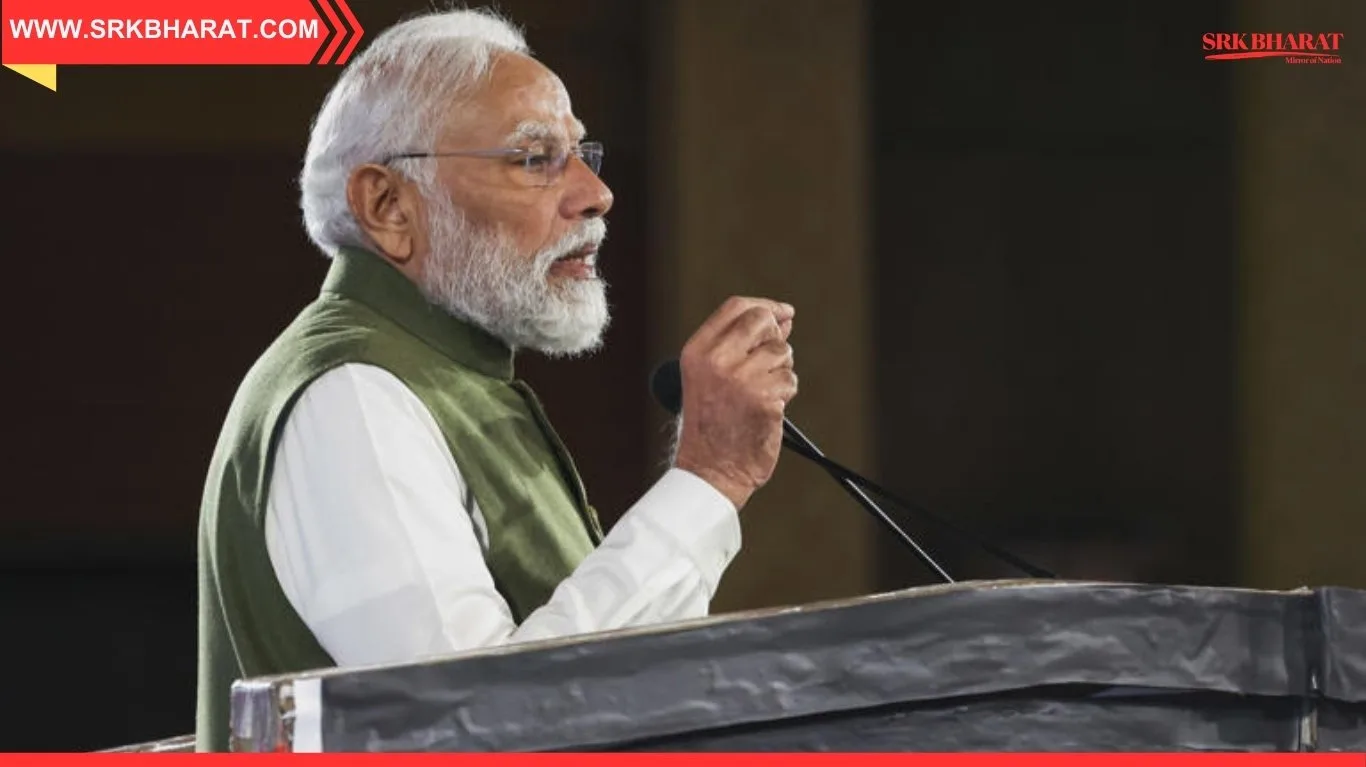
Prime Minister Modi’s address at the prestigious Ramnath Goenka Lecture was framed as a reflection on democracy, governance, and media responsibility.
- Key Themes: Modi emphasized the importance of free press, transparency, and accountability.
- Critics’ View: Opposition leaders argued that the lecture was more political messaging than genuine introspection.
- Symbolism: Delivering the lecture at a forum named after a legendary journalist highlighted the government’s attempt to project commitment to democratic values.
- Public Reaction: While supporters hailed Modi’s speech as visionary, critics pointed to contradictions between rhetoric and ground realities.
Bihar Verdict: A Turning Point in State Politics
The Bihar Verdict has reshaped the political landscape of one of India’s most crucial states.
- Outcome: The ruling coalition faced setbacks, with opposition parties gaining ground.
- Implications: The verdict is seen as a referendum on governance, unemployment, and law-and-order issues.
- National Impact: Bihar’s political shifts often influence national strategies, especially ahead of general elections.
- Debate: Analysts argue that the verdict reflects growing discontent with centralized power and the need for stronger regional leadership.
Shashi Tharoor’s Intervention: “Et tu, Tharoor?”
Congress MP Shashi Tharoor’s remarks added a dramatic twist to the debate.
- Context: Tharoor questioned the government’s commitment to democratic norms, citing recent verdicts and political developments.
- Phrase “Et tu, Tharoor?”: Borrowed from Shakespeare’s Julius Caesar, the phrase was used by critics to suggest Tharoor’s stance was unexpected or symbolic of betrayal within political circles.
- Impact: His intervention reignited discussions about dissent within the opposition and the role of intellectual voices in shaping democratic debates.
Key Developments and Their Democratic Implications
| Event | Description | Democratic Implication | Public Reaction |
|---|---|---|---|
| Modi’s Goenka Lecture | PM’s speech on democracy and media | Seen as symbolic, critics highlight contradictions | Mixed, polarized |
| Bihar Verdict | Electoral outcome reshaping state politics | Reflects voter discontent, regional assertion | Energized opposition |
| Tharoor’s Remarks | Critique of democratic erosion | Intellectual dissent within opposition | Sparked debate across media |
Erosion of Democratic Norms: The Larger Debate
The phrase “erosion of democratic norms” has become central to India’s political discourse.
- Judicial Independence: Concerns about verdicts aligning with political interests.
- Media Freedom: Allegations of shrinking space for dissenting voices.
- Federalism: Tensions between central authority and state autonomy.
- Civil Liberties: Debates over freedom of speech, protest rights, and surveillance.
Indicators of Democratic Erosion
| Indicator | Current Status | Concern |
|---|---|---|
| Judiciary | Increasing politicization | Threat to impartiality |
| Media | Concentration of ownership | Reduced diversity of voices |
| Federalism | Central dominance | Weakening state autonomy |
| Civil Rights | Restrictions on protests | Shrinking democratic space |
| Electoral Process | Free but contested | Allegations of bias |
Expert Opinions
- Political Analysts: Stress that Bihar’s verdict is a reminder of voter resilience against centralized narratives.
- Legal Scholars: Warn that judicial independence must be safeguarded to prevent erosion of trust.
- Media Commentators: Highlight contradictions between Modi’s Goenka Lecture and ground realities of press freedom.
- Civil Society Leaders: Call for renewed commitment to democratic values and citizen participation.
Public Sentiment
- Supporters of Government: Argue that Modi’s lecture reflects genuine commitment to democracy.
- Opposition Voices: Use Bihar’s verdict and Tharoor’s remarks to highlight democratic backsliding.
- Neutral Observers: Emphasize the need for balance between governance efficiency and democratic accountability.
- Youth and Students: Increasingly vocal about unemployment, rights, and political representation.
Future Outlook
India’s democratic trajectory will depend on:
- Electoral Outcomes: Upcoming state and national elections will test voter confidence.
- Judicial Integrity: Safeguarding independence of courts is crucial.
- Media Diversity: Ensuring free press remains a cornerstone of democracy.
- Civil Engagement: Citizens must remain active participants in governance.
- Opposition Unity: Intellectual voices like Tharoor’s may shape broader opposition strategies.
Conclusion
The convergence of Modi’s Goenka Lecture, the Bihar Verdict, and Shashi Tharoor’s remarks has reignited debates about the erosion of democratic norms in India. While the government projects commitment to democracy, critics argue that ground realities reflect growing challenges to judicial independence, media freedom, and civil liberties.
The phrase “Et tu, Tharoor?” captures the dramatic nature of dissent within political circles, symbolizing both intellectual courage and the complexities of opposition politics. As India moves toward future elections, the balance between governance and democratic accountability will remain at the heart of national discourse.
Disclaimer: This article is based on publicly available political updates, expert commentary, and regional reports. Readers are advised to follow official government and judicial statements for verified details.
SEO Keywords: Modi Goenka Lecture democracy, Bihar Verdict political impact, Shashi Tharoor Et tu remarks, erosion of democratic norms India, Modi speech democratic values, Bihar election verdict analysis, Tharoor democratic dissent India, India judiciary independence debate, Modi Goenka Lecture media freedom, Bihar verdict opposition strategy, erosion of democracy India politics, Tharoor remarks political discourse, Modi Bihar verdict democratic norms, India democracy challenges 2025, India political news update 2025
aviator bonus game https://aviator-game-winner.com/ .
win crash game win crash game .
aeroplane money game aviator-game-deposit.com .
электропривод рулонных штор https://avtomaticheskie-rulonnye-shtory11.ru .