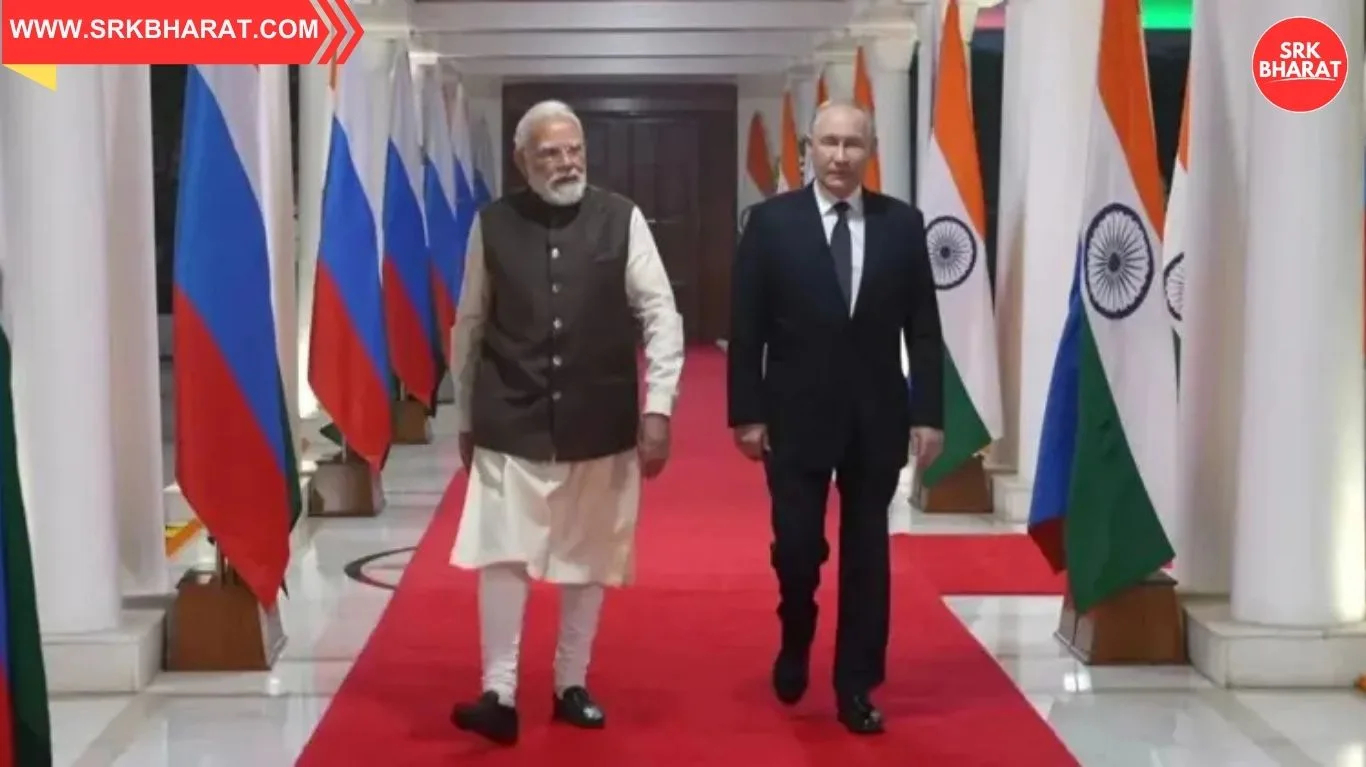



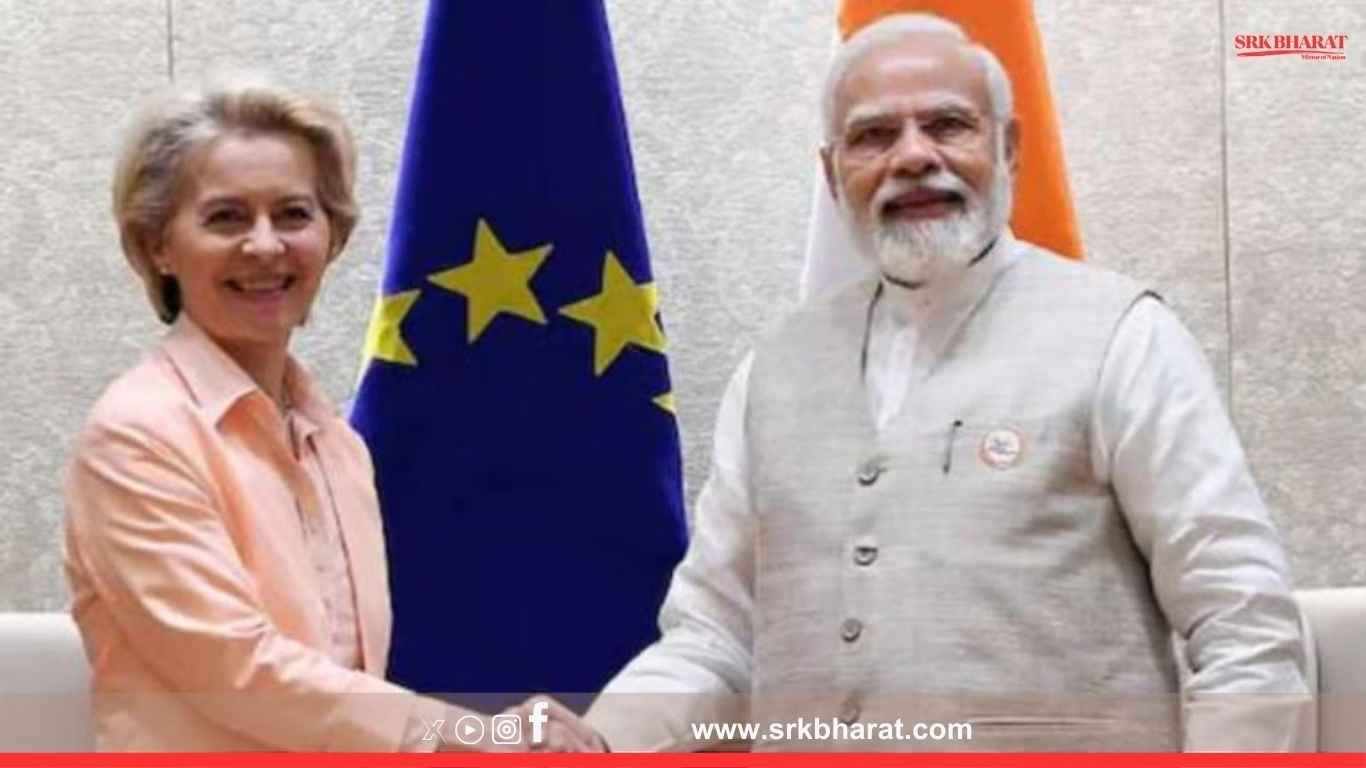
European Commission President Ursula von der Leyen met Indian Prime Minister Narendra Modi in New Delhi on September 2, 2025, for high-level talks focused on finalizing the long-pending India–EU Free Trade Agreement (FTA) and discussing India’s role in global peace efforts, particularly in the context of the ongoing Ukraine war. The meeting marked a significant diplomatic moment, as both sides reaffirmed their commitment to a “mutually beneficial” trade deal and deeper strategic cooperation.
Von der Leyen’s visit, accompanied by the College of Commissioners—the largest EU delegation to India to date—coincided with the 60th anniversary of diplomatic ties between India and the European Union. The leaders also discussed a new security and defense partnership to replace the existing Strategic Roadmap (2020–2025), with the next EU–India Summit expected later this year.
🧭 Key Highlights from Modi–von der Leyen Meeting
| Focus Area | Statement / Action Taken | Strategic Implication |
|---|---|---|
| Free Trade Agreement (FTA) | “We’ve asked our teams to conclude the FTA by year-end.” – PM Modi | Political push to finalize deal by December 2025 |
| Ukraine War | EU seeks India’s support for peace and stability | India’s diplomatic balancing act |
| Strategic Partnership | Talks on new defense and security pact | Elevates bilateral cooperation |
| Climate and Sustainability | Collaboration on circular economy and green growth | Shared ESG goals |
| Investment Protection | Part of FTA negotiations | Boosts investor confidence |
Von der Leyen described the partnership as one of the “defining relationships of the century,” emphasizing that both sides stand to gain from cooperation rather than isolationism.
🔍 India–EU Free Trade Agreement: Status and Roadblocks
The India–EU FTA negotiations began in 2007 but were stalled for years due to disagreements over tariffs, intellectual property rights, and market access. Talks were revived in 2022, and the current push aims to conclude the deal by December 2025.
| Issue Area | EU’s Concern | India’s Position | Status |
|---|---|---|---|
| Car Tariffs | EU wants lower import duties on vehicles | India seeks protection for domestic auto industry | Unresolved |
| Alcoholic Beverages | EU demands wider access | India cautious due to social sensitivities | Unresolved |
| Intellectual Property | EU wants stronger IP enforcement | India seeks flexibility for generics | Partially resolved |
| Investment Protection | EU wants binding dispute resolution | India prefers domestic legal recourse | Under negotiation |
| Geographical Indications | EU wants recognition of EU-origin products | India seeks reciprocity for its own GI tags | Ongoing |
EU officials have warned that without a breakthrough on car tariffs, the deal may not materialize. However, both sides have given their negotiating teams a “clear and decisive mandate” to resolve differences.
📉 India–EU Trade Snapshot
| Metric | Value (FY2024–25) | Commentary |
|---|---|---|
| Bilateral Trade Volume | $115 billion | EU is India’s third-largest trading partner |
| EU FDI in India | $18.3 billion | Focused on manufacturing, fintech, and renewables |
| India’s Exports to EU | $65 billion | Includes textiles, pharma, engineering goods |
| India’s Imports from EU | $50 billion | Includes machinery, chemicals, automobiles |
| Trade Balance | +$15 billion | Favorable to India |
The FTA is expected to increase bilateral trade by 30–40% over the next five years, according to estimates from the European Business Group.
🔥 Ukraine War: India’s Role in Peace Diplomacy
Von der Leyen also briefed PM Modi on the EU’s position regarding the Ukraine conflict, urging India to play a constructive role in global peace efforts. While India has maintained a neutral stance, calling for dialogue and diplomacy, the EU hopes New Delhi can leverage its ties with Moscow to facilitate negotiations.
| Diplomatic Position | India’s Stance | EU’s Expectation |
|---|---|---|
| Ukraine War | Neutral, calls for peaceful resolution | Seeks India’s influence on Russia |
| Sanctions on Russia | India has not joined Western sanctions | EU urges alignment on strategic issues |
| Energy Imports | India continues to import Russian oil | EU seeks diversification of supply chains |
| Humanitarian Aid | India has sent medical and food aid | EU appreciates India’s support |
PM Modi reiterated India’s commitment to global stability, stating that “dialogue is the only path to peace.”
🧠 Expert Commentary and Strategic Perspectives
| Expert Name | Role | Comment |
|---|---|---|
| Meera Iyer | Trade Policy Analyst | “The political push from both sides is a game-changer for the FTA.” |
| Rajiv Bansal | Diplomatic Affairs Consultant | “India’s balancing act on Ukraine is delicate but effective.” |
| Dr. Rakesh Sinha | Geopolitical Strategist | “EU’s outreach reflects India’s rising global stature.” |
Experts agree that the convergence of trade and diplomacy in this visit signals a new phase in India–EU relations.
📦 Strategic Roadmap: What’s Next for India–EU Ties
| Area of Cooperation | Proposed Initiative | Timeline / Status |
|---|---|---|
| Trade | Finalize FTA, Investment Protection Agreement | Target: December 2025 |
| Defense & Security | New strategic pact to replace 2020–25 roadmap | Draft under review |
| Climate & Circular Economy | Joint projects on green hydrogen, carbon trading | Pilot phase in 2026 |
| Mobility & Skilling | Mutual recognition of qualifications | MoU signed, implementation in 2026 |
| Digital Innovation | AI and cybersecurity collaboration | Framework discussions ongoing |
The next round of FTA negotiations is scheduled for March 10–14, 2025, in Brussels, with both sides aiming for a breakthrough on tariff-related issues.
📌 Conclusion
European Commission President Ursula von der Leyen’s visit to India and her meeting with Prime Minister Narendra Modi have set the stage for a transformative phase in India–EU relations. With a renewed push to finalize the Free Trade Agreement and strategic discussions on global peace and security, the partnership is evolving from transactional to transformational. As both sides navigate complex geopolitical and economic challenges, their shared commitment to cooperation, sustainability, and multilateralism could define the future of global diplomacy.
—
Disclaimer: This article is based on publicly available diplomatic statements, media reports, and official briefings as of September 4, 2025. It is intended for informational purposes only and does not constitute diplomatic or trade policy advice.