



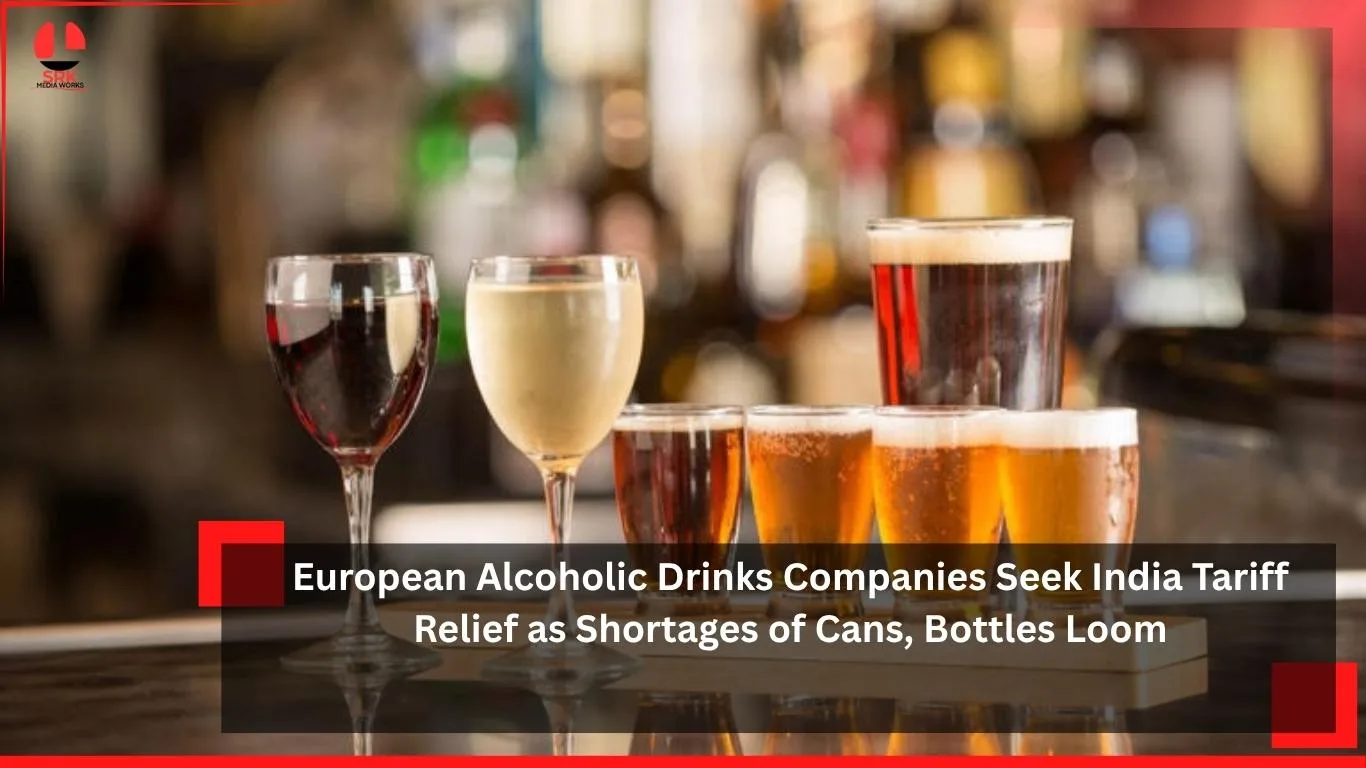
European alcoholic beverage companies are urging India to ease tariffs and trade restrictions as shortages of cans and bottles threaten production and distribution. With rising demand for premium spirits and beer in India, the industry faces mounting challenges due to supply chain disruptions, high import duties, and limited domestic manufacturing capacity for packaging materials.
Industry Concerns
- Tariff Barriers: High import duties on alcoholic beverages make European products expensive in India.
- Packaging Shortages: Shortages of cans and bottles are disrupting production schedules.
- Rising Demand: India’s growing middle class and urban consumers are driving demand for premium drinks.
Impact on European Companies
European brands are struggling to maintain supply chains in India.
| Challenge | Impact on Companies | Consumer Effect |
|---|---|---|
| High tariffs | Reduced competitiveness | Higher retail prices |
| Packaging shortages | Production delays | Limited availability |
| Logistics disruptions | Increased costs | Supply instability |
Indian Market Dynamics
India is one of the fastest-growing markets for alcoholic beverages.
- Beer Consumption: Rising among younger demographics.
- Premium Spirits: Whiskey, vodka, and gin see strong demand.
- Urban Growth: Expanding nightlife culture boosts sales.
Market Overview
| Segment | Growth Trend | Key Drivers |
|---|---|---|
| Beer | High | Youth demand, urban lifestyle |
| Whiskey | Moderate | Premiumization |
| Vodka & Gin | Rising | Cocktail culture |
| Wine | Emerging | Health-conscious consumers |
Supply Chain Challenges
The shortage of cans and bottles is linked to global supply chain disruptions.
- Aluminum Shortages: Affecting beer and soda cans.
- Glass Bottles: Limited production capacity in India.
- Import Restrictions: Tariffs make importing packaging materials costly.
European Companies’ Demands
European firms are pressing India for relief measures.
- Tariff Reduction: Lower duties to improve competitiveness.
- Packaging Imports: Easier access to cans and bottles.
- Trade Agreements: Strengthened EU-India cooperation.
Comparative Pivot Analysis
| Dimension | European Companies | Indian Market | Global Impact |
|---|---|---|---|
| Tariffs | Seek reduction | Protect domestic industry | Trade negotiations |
| Packaging | Shortages critical | Limited local supply | Global disruption |
| Demand | Rising | Expanding consumer base | Increased exports |
| Strategy | Push for relief | Balance protectionism | Market volatility |
Consumer Impact
Indian consumers face rising prices and reduced availability of imported drinks.
- Price Hikes: Premium brands become less affordable.
- Limited Choices: Shortages reduce product variety.
- Shift to Local Brands: Domestic producers gain market share.
Policy Outlook
India faces a balancing act between protecting domestic industries and meeting consumer demand.
- Domestic Manufacturing Push: Encouraging local production of packaging materials.
- Trade Negotiations: EU-India talks may address tariff concerns.
- Consumer Interests: Ensuring affordability and availability.
Conclusion
European alcoholic drinks companies are pressing India for tariff relief as shortages of cans and bottles loom large. The situation highlights the intersection of global supply chain challenges, domestic protectionist policies, and rising consumer demand. Whether India eases tariffs or strengthens local manufacturing, the outcome will shape the future of the alcoholic beverage market in one of the world’s fastest-growing economies.
Disclaimer
This article is based on available industry analysis and geopolitical developments. It does not represent official government positions or corporate statements. Readers are advised to treat the content as an overview of claims and counterclaims, and to consult multiple perspectives before drawing conclusions about sensitive trade and economic issues.