



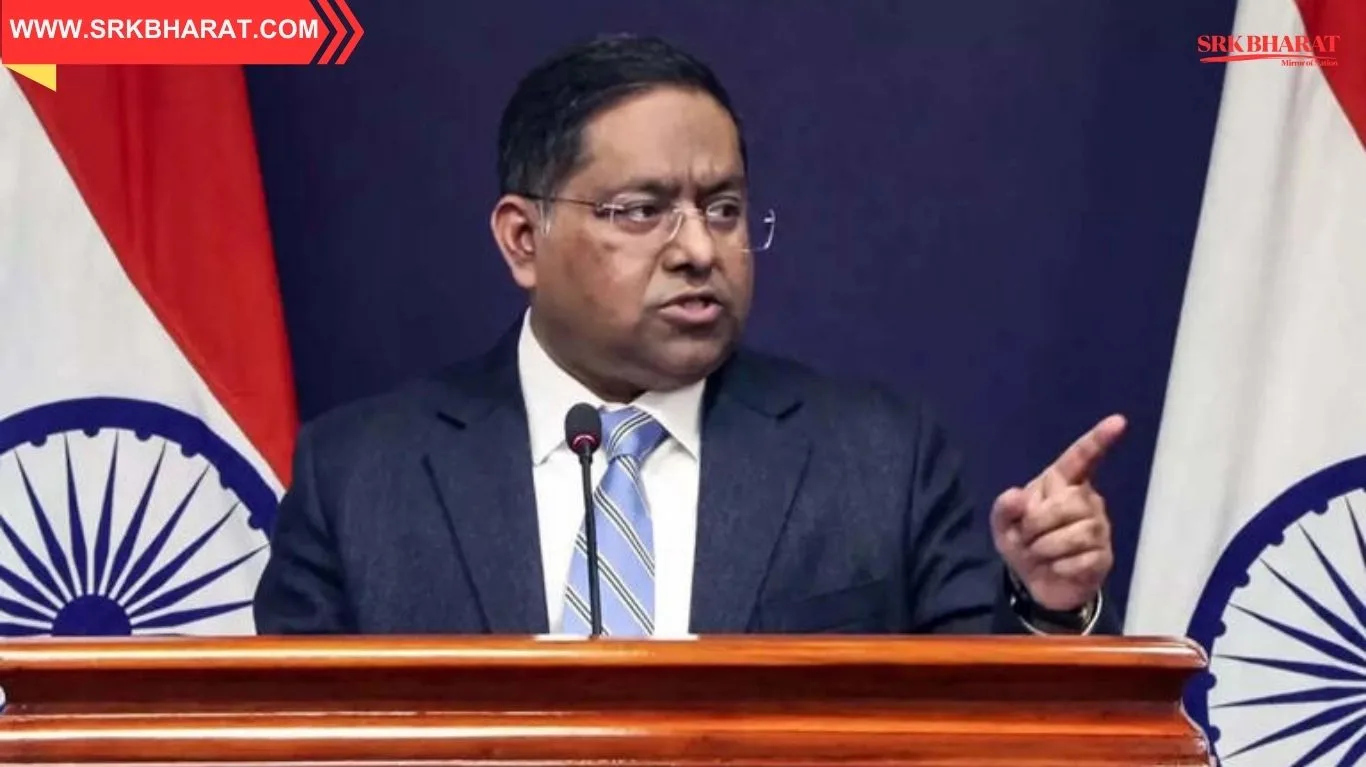
In a sharp rebuttal to allegations made by Pakistan regarding attacks on minorities in India, the Government of India has categorically rejected the claims, calling them baseless and politically motivated. India emphasized that Pakistan’s own record on minority rights remains abysmal, pointing to systemic discrimination, persecution, and violence faced by Hindus, Sikhs, Christians, and Ahmadiyyas within Pakistan. The exchange has once again highlighted the ongoing diplomatic tensions between the two neighbors, with both countries trading accusations on human rights and governance.
Background of the Diplomatic Clash
- Pakistan recently accused India of failing to protect its minority communities, alleging incidents of violence and discrimination.
- India responded strongly, dismissing the claims as propaganda aimed at diverting attention from Pakistan’s internal issues.
- Indian officials highlighted Pakistan’s poor track record in safeguarding minorities, citing forced conversions, attacks on places of worship, and systemic marginalization.
- The issue has sparked debates in international forums, with India urging global observers to scrutinize Pakistan’s domestic human rights situation.
Key Highlights of India’s Response
| Indicator | Details |
|---|---|
| Allegations Made By | Pakistan |
| India’s Response | Rejection of claims, highlighting Pakistan’s record |
| Focus of Rebuttal | Minority persecution in Pakistan |
| Broader Impact | Diplomatic tensions, global scrutiny |
| Public Sentiment | Strong national support for India’s stance |
India vs Pakistan on Minority Rights
| Factor | India’s Position | Pakistan’s Record | Global Perception | Implication |
|---|---|---|---|---|
| Minority Protection | Constitutional safeguards, legal rights | Forced conversions, systemic persecution | Mixed views | India highlights contrast |
| Religious Freedom | Guaranteed under law | Severe restrictions, blasphemy laws | Concerns raised internationally | Pakistan criticized |
| Governance | Democratic institutions | Military dominance, weak civilian oversight | Global skepticism | Impacts credibility |
| Public Sentiment | Support for rebuttal | Domestic unrest among minorities | International concern | Diplomatic fallout |
| Long-Term Impact | Strengthens India’s narrative | Weakens Pakistan’s global image | Shapes foreign policy | Intensifies rivalry |
Why This Exchange Matters
- Diplomatic Relations: The clash underscores the fragile ties between India and Pakistan.
- Global Scrutiny: International observers are urged to examine Pakistan’s minority rights record.
- Domestic Politics: Both countries use such exchanges to rally domestic support.
- Human Rights Debate: Highlights the importance of protecting vulnerable communities in South Asia.
India’s Stand on Minority Protection
| Attribute | Details |
|---|---|
| Constitutional Safeguards | Fundamental rights guaranteed to all citizens |
| Legal Framework | Laws against discrimination and violence |
| Social Initiatives | Welfare schemes for marginalized communities |
| International Position | Promotes pluralism and diversity |
| Rebuttal Strategy | Highlighting Pakistan’s failures to deflect false claims |
India has consistently maintained that its democratic framework ensures protection for all communities, despite challenges.
Pakistan’s Record on Minorities
- Hindus and Sikhs: Reports of forced conversions and attacks on temples.
- Christians: Victims of blasphemy laws and mob violence.
- Ahmadiyyas: Denied recognition as Muslims, facing systemic persecution.
- Women from Minorities: Targeted for abductions and forced marriages.
- Places of Worship: Frequent attacks and desecration reported.
Expert Opinions
- Political Analysts: View Pakistan’s allegations as diversionary tactics.
- Human Rights Activists: Stress the need for global attention on Pakistan’s minority issues.
- Diplomats: Highlight the recurring nature of such exchanges in Indo-Pak relations.
- Citizens: Express strong support for India’s rebuttal, emphasizing national pride.
Challenges Ahead
- Diplomatic Tensions: Managing fallout in international forums.
- Global Narratives: Countering misinformation campaigns.
- Domestic Issues: Ensuring continued protection for minorities in India.
- Regional Stability: Preventing escalation of disputes into broader conflicts.
Opportunities for India
- Global Advocacy: Strengthen its image as a pluralistic democracy.
- Diplomatic Leverage: Use Pakistan’s record to counter false narratives.
- Human Rights Leadership: Position itself as a defender of minority rights globally.
- Public Engagement: Rally domestic support through transparency and accountability.
- Regional Cooperation: Promote dialogue on minority protection across South Asia.
Broader Context of Indo-Pak Relations
- India and Pakistan have a long history of diplomatic clashes, often centered on issues of governance, terrorism, and human rights.
- Minority rights have become a recurring theme in these exchanges, with both countries attempting to shape global perceptions.
- The latest incident reflects the broader rivalry, where accusations serve as tools of political and diplomatic strategy.
- International observers continue to monitor the situation, balancing geopolitical interests with human rights concerns.
Public Sentiment
- Indian citizens expressed strong support for the government’s rebuttal, viewing it as a defense of national integrity.
- Social media discussions highlighted Pakistan’s poor record, with hashtags trending in favor of India’s stance.
- Minority communities in Pakistan voiced concerns about their safety, adding credibility to India’s claims.
- Overall sentiment remains polarized, with domestic pride in India contrasted against international concern for Pakistan’s minorities.
Conclusion
The rejection by India of Pakistan’s claims on minority attacks and its emphasis on Pakistan’s abysmal record highlights the ongoing diplomatic rivalry between the two nations. While Pakistan attempts to deflect attention from its internal challenges, India has positioned itself as a defender of pluralism and constitutional rights. The incident underscores the importance of transparency, accountability, and global scrutiny in safeguarding minority communities across South Asia.
Disclaimer
This article is intended for informational purposes only and does not constitute political or legal advice. Diplomatic statements, minority rights issues, and public sentiments are subject to change based on evolving circumstances. Readers are encouraged to follow official updates for accurate information. The author and publisher are not responsible for any decisions made based on this article.