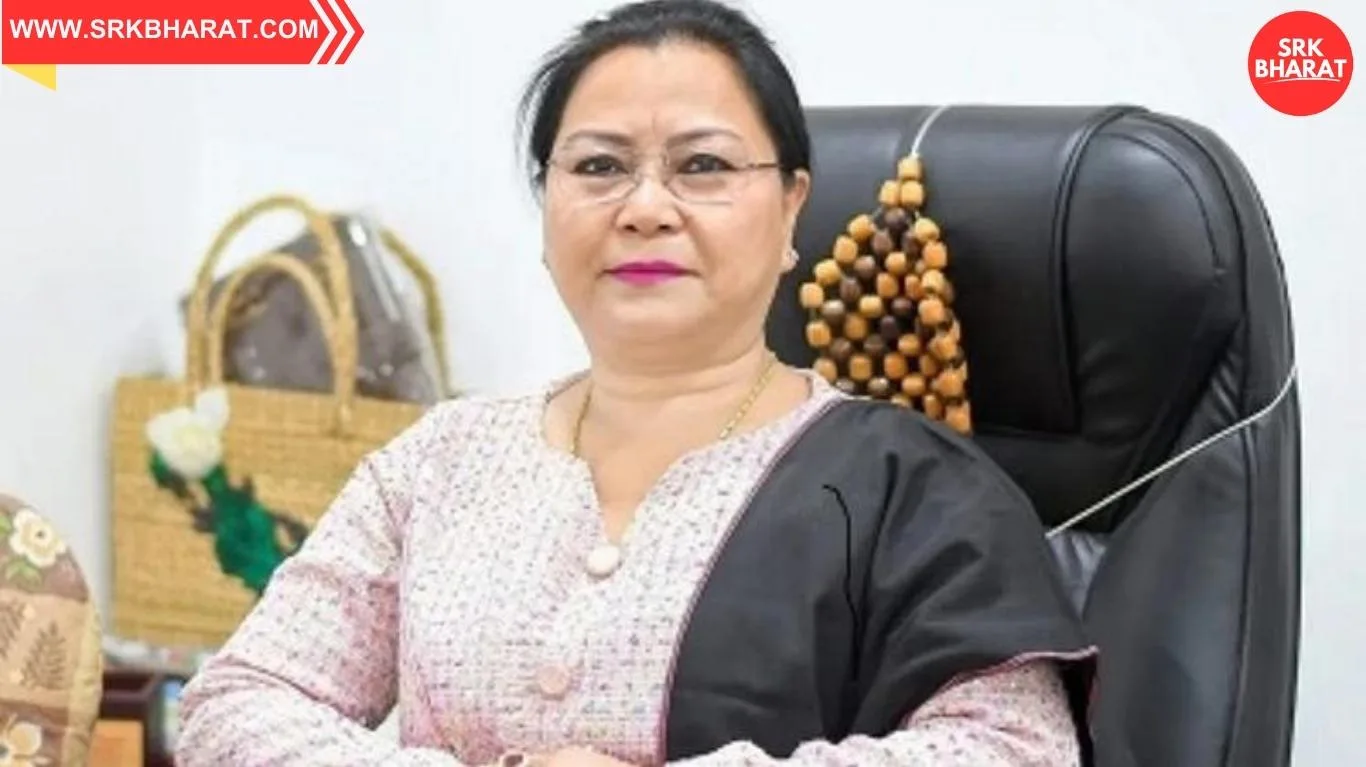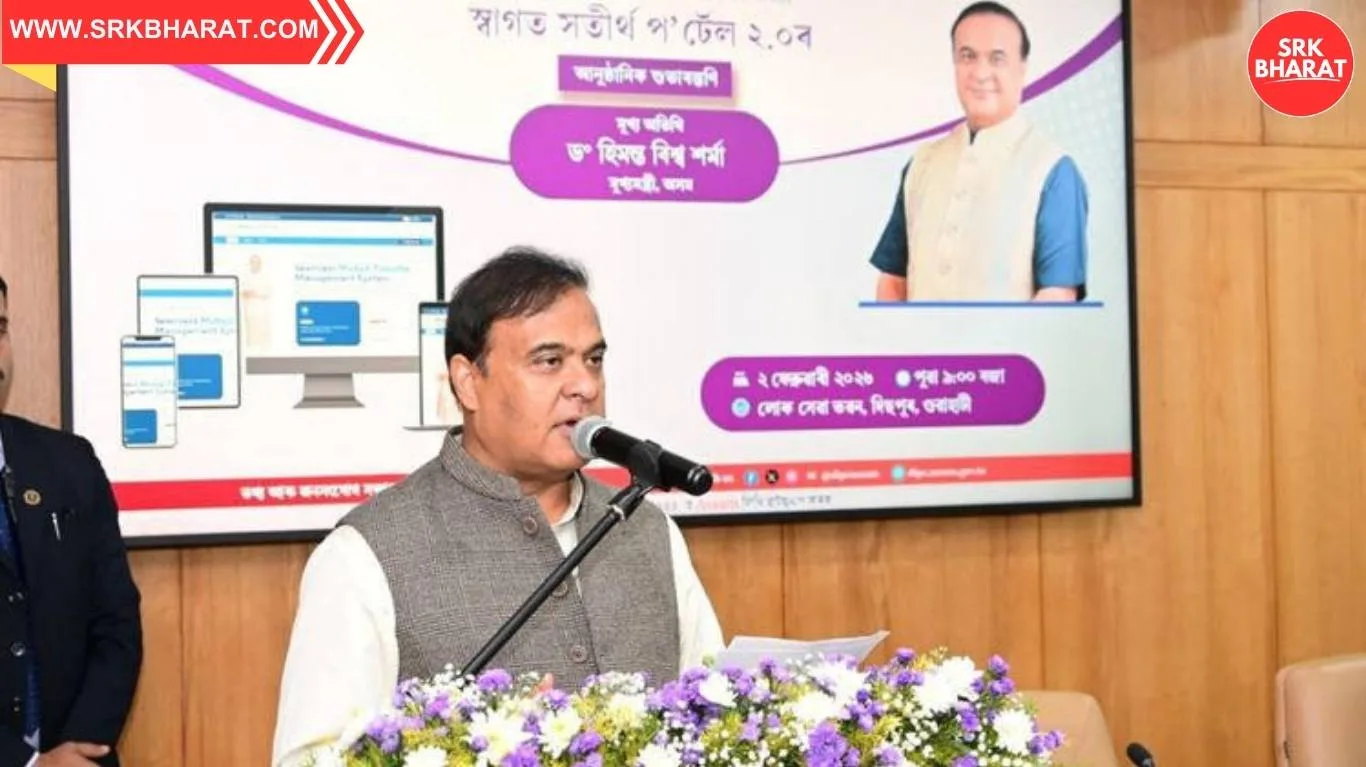





The political atmosphere in Assam has intensified after Congress leader Gaurav Gogoi launched a scathing attack on Chief Minister Himanta Biswa Sarma, accusing him of attempting to “finish democracy” and establish a “monarchy” in the state. Gogoi’s remarks have sparked heated debates across political circles, media platforms, and among the public, highlighting the growing tension between the ruling Bharatiya Janata Party (BJP) and the opposition Congress in Assam.
The Political Context in Assam
Assam has been a crucial battleground in Indian politics:
- BJP’s Stronghold: Under Himanta Biswa Sarma, the BJP has consolidated power in the state.
- Congress Opposition: Gaurav Gogoi, a prominent Congress MP, has emerged as one of the strongest voices challenging the BJP’s governance.
- Democracy vs Monarchy Debate: Gogoi’s accusations reflect concerns about centralization of power and weakening of democratic institutions.
- Public Attention: The remarks have reignited discussions about governance, accountability, and the future of Assam’s political landscape.
Key Elements of Gogoi’s Accusation
| Element | Gogoi’s Claim | Implication | Public Reaction |
|---|---|---|---|
| Democracy | CM trying to “finish democracy” | Alleged erosion of institutions | Concern among opposition supporters |
| Monarchy | CM building a “monarchy” | Concentration of power | Criticism of authoritarian tendencies |
| Governance | Decisions centralized | Weakening of checks and balances | Calls for transparency |
| Public Voice | Ignored by ruling party | Reduced participation | Debate on citizen rights |
| Political Strategy | BJP consolidating control | Opposition marginalized | Polarized reactions |
Gogoi’s Statement in Detail
Gaurav Gogoi’s remarks were sharp and direct:
- On Democracy: He accused the Assam CM of undermining democratic processes by centralizing decision-making.
- On Monarchy: He alleged that Sarma is attempting to build a political system resembling monarchy, where dissent is silenced.
- On Governance: Gogoi criticized the government for ignoring public voices and opposition concerns.
- On Accountability: He emphasized the need for transparency and checks on executive power.
Assam’s Political Landscape
| Factor | BJP Under Himanta Biswa Sarma | Congress Under Gaurav Gogoi |
|---|---|---|
| Leadership Style | Assertive, centralized | Vocal opposition, critical |
| Governance Focus | Infrastructure, law & order | Democracy, accountability |
| Public Perception | Strong leader, polarizing | Defender of democratic values |
| Electoral Strategy | Consolidation of power | Mobilizing dissent |
| National Impact | Strengthens BJP’s Northeast presence | Keeps Congress relevant |
Why Gogoi’s Remarks Matter
- Political Symbolism: The accusation of “monarchy” resonates strongly in a democratic setup.
- Opposition Strategy: Gogoi’s remarks are part of Congress’s broader attempt to challenge BJP’s dominance.
- Public Debate: Raises questions about governance, freedom of speech, and institutional integrity.
- National Attention: Assam’s politics often influence broader narratives in Indian democracy.
Expert Opinions
- Political Analysts: Stress that Gogoi’s remarks highlight the opposition’s strategy to frame BJP as authoritarian.
- Sociologists: Note that such accusations reflect deeper concerns about democratic erosion.
- Economists: Point out that governance stability is crucial for Assam’s development.
- Media Commentators: Frame the controversy as a clash of narratives between strong leadership and democratic accountability.
Public Sentiment
- Congress Supporters: Applaud Gogoi for speaking out against authoritarian tendencies.
- BJP Supporters: Dismiss the remarks as political rhetoric aimed at discrediting Sarma.
- Neutral Observers: Emphasize the importance of balancing strong leadership with democratic values.
- Social Media: Buzzing with debates, memes, and polarized opinions on democracy vs monarchy.
Challenges Ahead
The controversy presents challenges for both parties:
- For BJP: Managing perception of authoritarianism while maintaining governance efficiency.
- For Congress: Translating rhetoric into electoral gains.
- For Citizens: Ensuring their voices are heard amidst political battles.
- For Institutions: Safeguarding democratic processes against centralization of power.
Future Outlook
- Short-Term: The remarks will dominate Assam’s political discourse.
- Medium-Term: Congress may use the narrative to mobilize support ahead of elections.
- Long-Term: The debate on democracy vs monarchy will shape Assam’s governance model.
- National Impact: Assam’s political developments will influence India’s broader democratic narrative.
Conclusion
The accusation by Gaurav Gogoi that Assam CM Himanta Biswa Sarma is trying to “finish democracy” and build a “monarchy” underscores the intensity of political battles in the state. While BJP defends its governance model as strong and decisive, Congress frames it as authoritarian and undemocratic.
For Assam, the controversy is not just about political rhetoric—it is about the future of democratic institutions, governance accountability, and citizen participation. As debates continue, the people of Assam will play the decisive role in shaping the state’s political destiny.
Disclaimer: This article is based on publicly available political updates, expert commentary, and media reports. Readers are advised to follow official party statements and government releases for verified details.