




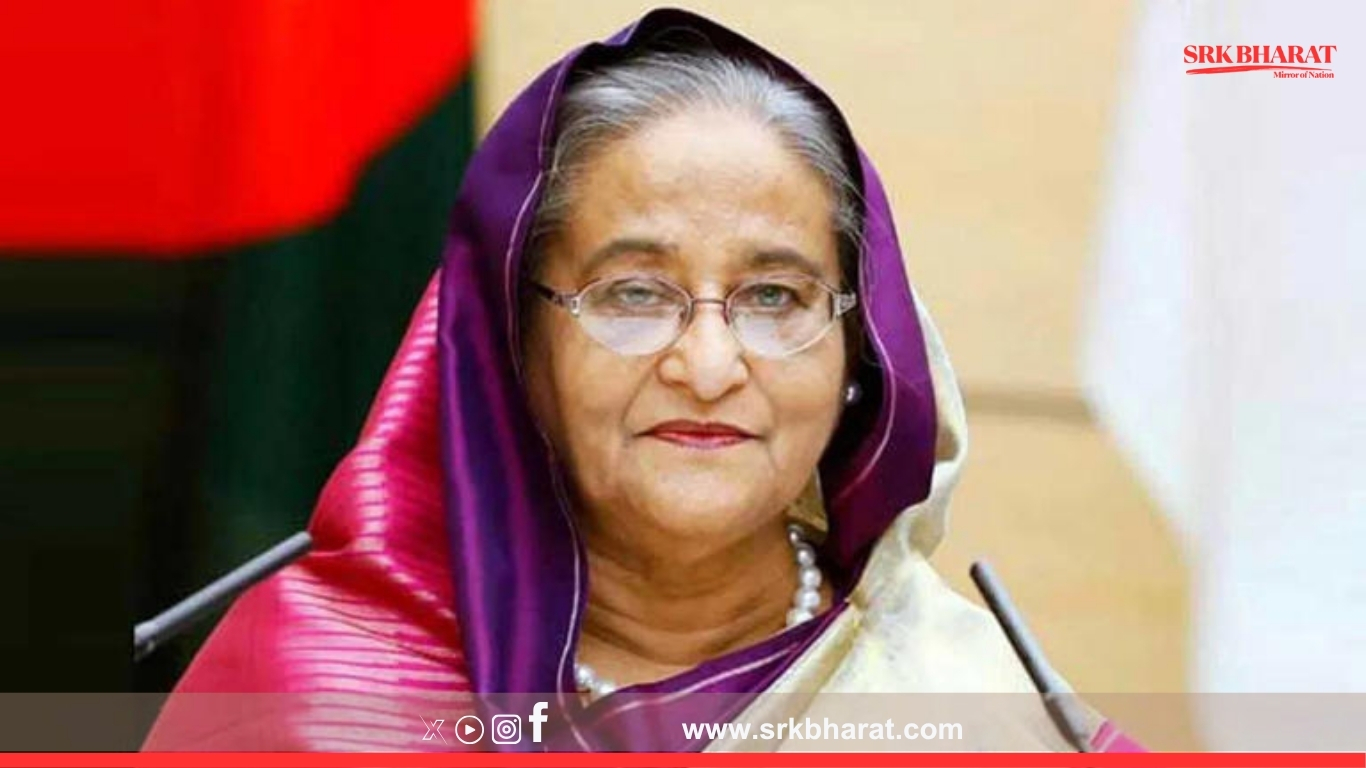
Senior leaders of the banned Jamaat-ud-Dawa (JuD), linked to Mumbai terror attack mastermind Hafiz Saeed, have publicly claimed involvement in last year’s mass protests in Bangladesh, which led to the ouster of former Prime Minister Sheikh Hasina.
Key Revelations from JuD Leaders
- “Revenge for 1971” Narrative: JuD leader Saifullah Kasuri, speaking at a rally in Rahim Yar Khan, Pakistan, declared that the group had “taken revenge for 1971”, referring to Pakistan’s defeat in the Bangladesh Liberation War.
- Bangladesh Unrest & Hasina’s Exit: Kasuri and UN-designated terrorist Muzammil Hashmi claimed JuD played a role in anti-government protests that forced Hasina to flee to India in August 2024.
- Indian Airstrikes on JuD Headquarters: Kasuri admitted that Indian airstrikes on Muridke, JuD’s headquarters, killed a senior member, Mudassar, following the April 22 terror attack in Pahalgam.
Geopolitical Impact & Pakistan-Bangladesh Relations
Since Hasina’s ouster, Pakistan-Bangladesh diplomatic ties have reportedly improved, with JuD leaders boasting about their influence in Bangladesh’s political landscape. However, international analysts warn that such rhetoric could undermine Pakistan’s claims of distancing itself from extremist groups.
Future Outlook
With Bangladesh’s interim government led by Nobel laureate Muhammad Yunus, the country faces political uncertainty amid ongoing student-led protests. Meanwhile, global scrutiny over Pakistan’s alleged support for extremist elements is expected to intensify.
For more updates on South Asian geopolitics, stay tuned!