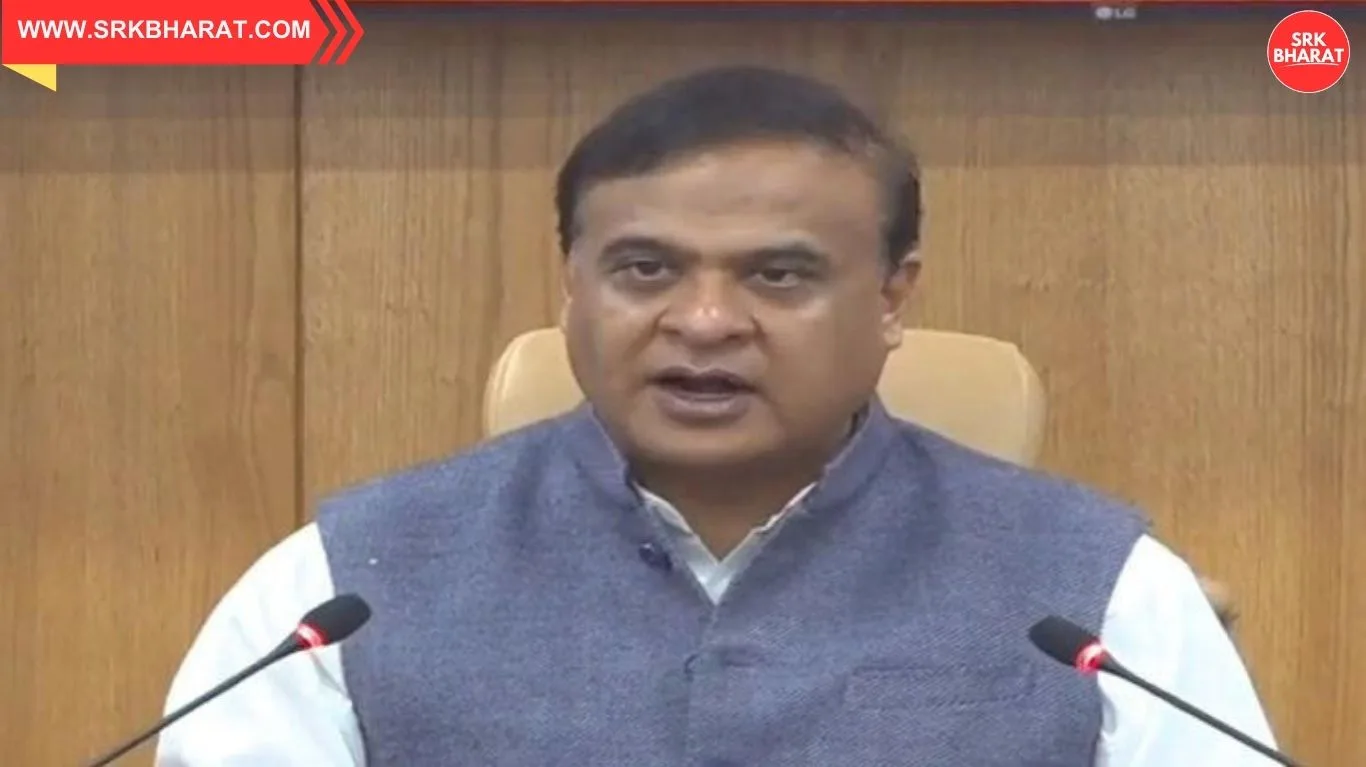






Assam Chief Minister Himanta Biswa Sarma has launched a strong counter-attack on the opposition, criticising their portrayal of certain evictees as “poor” despite evidence suggesting that many among them own substantial assets, including land, fisheries, and concrete buildings. The remarks came in the wake of an ongoing debate over eviction drives across several districts of Assam, a topic that has polarised political and public opinion.
CM Questions Opposition’s Narrative
Speaking at a public event, Sarma accused the opposition parties of deliberately misrepresenting facts to gain political mileage. He argued that the government’s eviction operations were targeted at reclaiming government or forest land illegally occupied, regardless of the socio-economic background of the occupants.
“Some people being portrayed as poor have huge fisheries, acres of farmland, and permanent concrete houses. This is not poverty; this is illegal encroachment,” Sarma said.
The Chief Minister also emphasised that the state government has been committed to providing land pattas to genuine landless families but will not compromise on action against unlawful occupation.
Background on Eviction Drives in Assam
Assam has witnessed several large-scale eviction drives in recent years, particularly in districts such as Darrang, Nagaon, and Hojai. These operations, often involving heavy police presence, aim to remove encroachments from government land, forest reserves, and protected areas.
The government maintains that such evictions are essential to protect public resources, enable developmental projects, and prevent further encroachment. However, opposition parties and activists have alleged that the drives disproportionately affect marginalised communities.
| District | Eviction Area (in hectares) | Primary Reason | Number of Families Evicted |
|---|---|---|---|
| Darrang | 77 | Protection of agricultural land | 1,200 |
| Nagaon | 50 | Wildlife reserve encroachment | 850 |
| Hojai | 35 | Infrastructure development projects | 600 |
| Goalpara | 40 | Riverbank erosion prevention | 500 |
Sarma’s Key Arguments
The Chief Minister made several points to challenge the opposition’s stance:
- Asset Ownership of Evictees – According to government surveys, many of the evicted families possess large tracts of cultivable land, fisheries generating steady income, and pucca houses.
- Selective Political Outrage – Sarma accused certain political groups of raising their voice only when eviction operations involve specific communities while staying silent in other cases.
- State Development Priorities – The government is reclaiming land for public projects, such as schools, hospitals, and agricultural initiatives.
- Support for Genuine Poor – Sarma reiterated that those who are genuinely landless will be rehabilitated with land and housing assistance.
| Evictee Asset Category | Percentage of Evicted Families |
|---|---|
| Owns fisheries | 32% |
| Owns farmland (>2 acres) | 41% |
| Owns pucca houses | 47% |
| No significant assets | 19% |
Opposition’s Response
Leaders from the opposition have condemned Sarma’s remarks, claiming that they are an attempt to justify “harsh” eviction measures. They allege that many families, despite owning some land or assets, still live under financial distress and depend on subsistence farming.
They have also demanded an independent review of the eviction policy to ensure that no vulnerable family is left without shelter or livelihood.
Public Sentiment
Public opinion on the matter is divided. While some citizens support the government’s stand on reclaiming public land, others feel that evictions should be conducted with greater compassion and adequate rehabilitation measures.
Social media has been abuzz with videos and images from eviction sites, sparking heated debates over whether the government’s actions are fair or politically motivated.
Rehabilitation and Welfare Measures
The Assam government has outlined a rehabilitation policy that promises:
- Land allotment to genuine landless families.
- Priority inclusion in housing schemes like PMAY.
- Financial assistance for rebuilding homes.
- Livelihood support through agricultural and skill development programs.
Officials claim that in districts where eviction drives have taken place, rehabilitation work is already underway for eligible beneficiaries.
Balancing Development and Displacement
Experts argue that eviction drives, when conducted transparently and coupled with rehabilitation, can help in better land management and development. However, without proper safeguards, they risk pushing vulnerable groups deeper into poverty.
The Assam government insists it is working towards a balanced approach, ensuring that illegal encroachments are removed while genuine citizens are not left without means of survival.
Looking Ahead
Sarma’s remarks are likely to intensify political debates ahead of upcoming elections, with eviction drives emerging as a key election issue in Assam. The government is expected to continue such operations, while also working to counter opposition narratives with data on asset ownership and rehabilitation efforts.
The administration has reiterated that it will uphold the law while remaining committed to social justice for the state’s poor and landless citizens.
Disclaimer: This article is based on official statements, publicly available information, and political reactions regarding the eviction drives in Assam. It is intended for informational purposes only and does not reflect any personal or organisational opinion.