

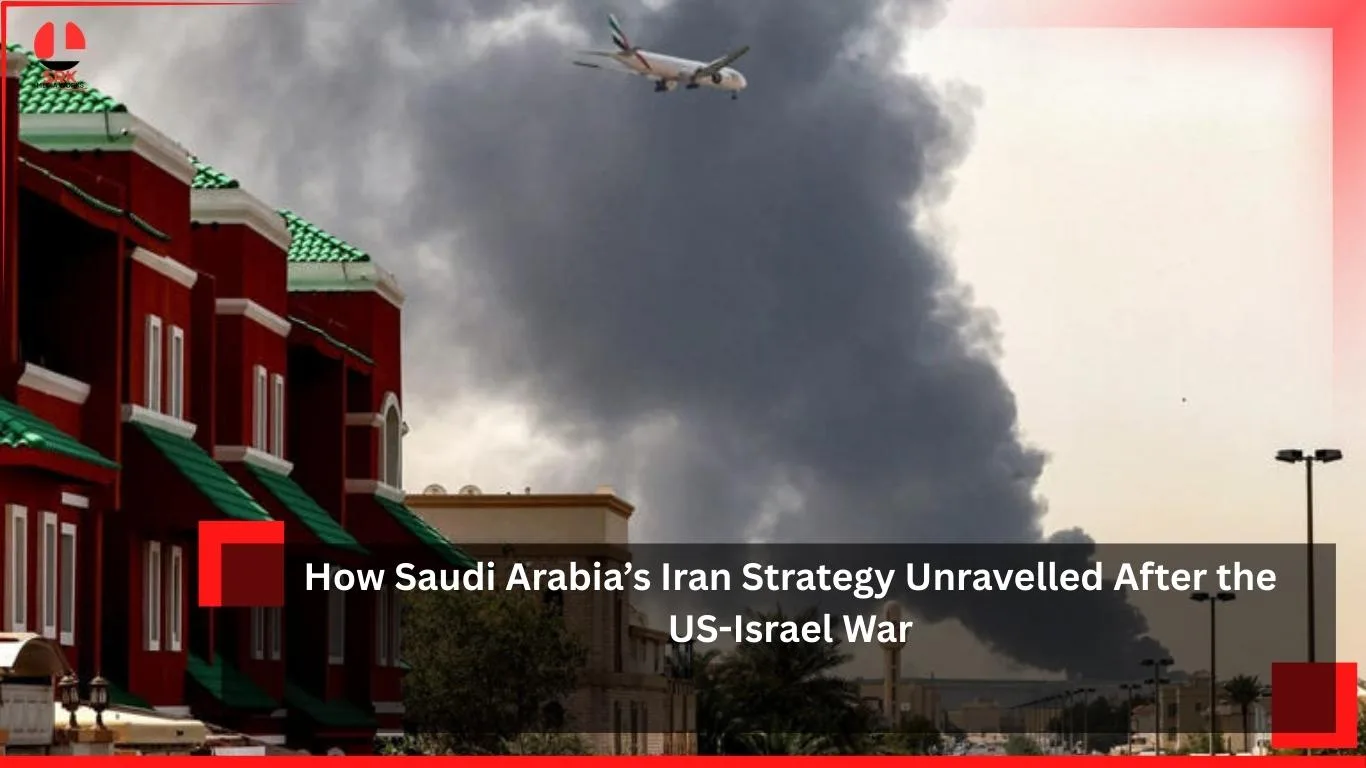
Saudi Arabia’s regional approach has faced severe challenges in the aftermath of the US-Israel war. Once seen as a carefully balanced mix of cautious engagement and firm deterrence, Riyadh’s policy toward Tehran has been destabilized by shifting alliances, proxy conflicts, and the growing complexity of Middle Eastern geopolitics.
Background
For years, Riyadh pursued a dual-track policy: opening limited diplomatic channels with Tehran while simultaneously strengthening defense ties with Washington. The China-brokered normalization talks between the two Gulf powers were hailed as a milestone, offering hope for reduced tensions.
However, the eruption of the US-Israel war altered the regional dynamics. Tehran’s alignment with anti-Israel forces and its support for proxy groups across the Middle East placed Riyadh in a difficult position. The kingdom’s attempts to balance diplomacy with security began to falter as the conflict escalated.
Why This Matters
The unraveling of Riyadh’s approach toward Tehran has implications far beyond bilateral relations.
- Regional Security: Proxy conflicts have intensified, threatening Gulf stability.
- Energy Markets: Oil prices fluctuate with every escalation, impacting global economies.
- Diplomatic Standing: Riyadh’s credibility as a mediator in regional conflicts has been challenged.
- Global Alliances: The kingdom’s role in BRICS and other multilateral frameworks is complicated by strained ties with Tehran.
Key Highlights
| Aspect | Details |
|---|---|
| Strategy | Engagement + deterrence |
| Turning Point | Escalation of US-Israel war |
| Impact | Proxy conflicts, strained diplomacy |
| Regional Effect | Gulf instability, energy volatility |
| Global Implications | Challenges for alliances and mediation |
Comparative Analysis of Regional Strategies
| Country | Approach Toward Tehran | Impact of US-Israel War | Current Position |
|---|---|---|---|
| Saudi Arabia | Engagement + deterrence | Strategy weakened | Strained diplomacy |
| UAE | Economic cooperation | Reduced engagement | Focus on trade |
| Qatar | Dialogue + mediation | Limited impact | Maintains neutrality |
| Egypt | Security alignment | Heightened tensions | Strengthened defense posture |
This comparison shows how different regional powers have responded to the shifting dynamics, with varying degrees of success.
Public Reactions
- Supporters of Strong Security: Applauded Riyadh for prioritizing defense and deterrence.
- Critics: Questioned whether the kingdom’s diplomatic overtures were premature.
- Neutral Analysts: Emphasized the importance of balancing national security with regional dialogue.
Stakeholder Breakdown
| Stakeholder | Position | Impact |
|---|---|---|
| Riyadh | Pursued dual-track policy | Faces strained diplomacy |
| Tehran | Strengthened proxy networks | Gains leverage in conflict |
| Washington | Supports deterrence | Reinforces military presence |
| Regional Allies | Observe closely | Adjust strategies accordingly |
| Global Markets | React to instability | Oil price volatility |
Broader Impact
The unraveling of Riyadh’s approach underscores the challenges of balancing diplomacy with deterrence in a volatile region. It also highlights the risks of relying on external mediation when regional conflicts escalate beyond control.
For global markets, the instability translates into energy price fluctuations and uncertainty in supply chains. For regional powers, it raises questions about the sustainability of dialogue-based strategies in the face of escalating proxy wars.
Conclusion
Riyadh’s strategy toward Tehran, once seen as a breakthrough in regional diplomacy, has faced severe setbacks in the aftermath of the US-Israel war. The conflict has exposed the fragility of balancing engagement with deterrence, reshaping the kingdom’s role in Middle Eastern geopolitics.
As tensions continue, the outcome will depend on whether regional powers can re-establish dialogue or whether proxy conflicts will dominate the landscape. The coming months will be critical in determining the future of Gulf stability and Riyadh’s diplomatic standing.
Disclaimer
This article is intended for informational purposes only and does not constitute political or strategic advice. The content is based on publicly available information and analysis at the time of writing. Readers are encouraged to consider multiple perspectives before forming conclusions on sensitive geopolitical issues.