




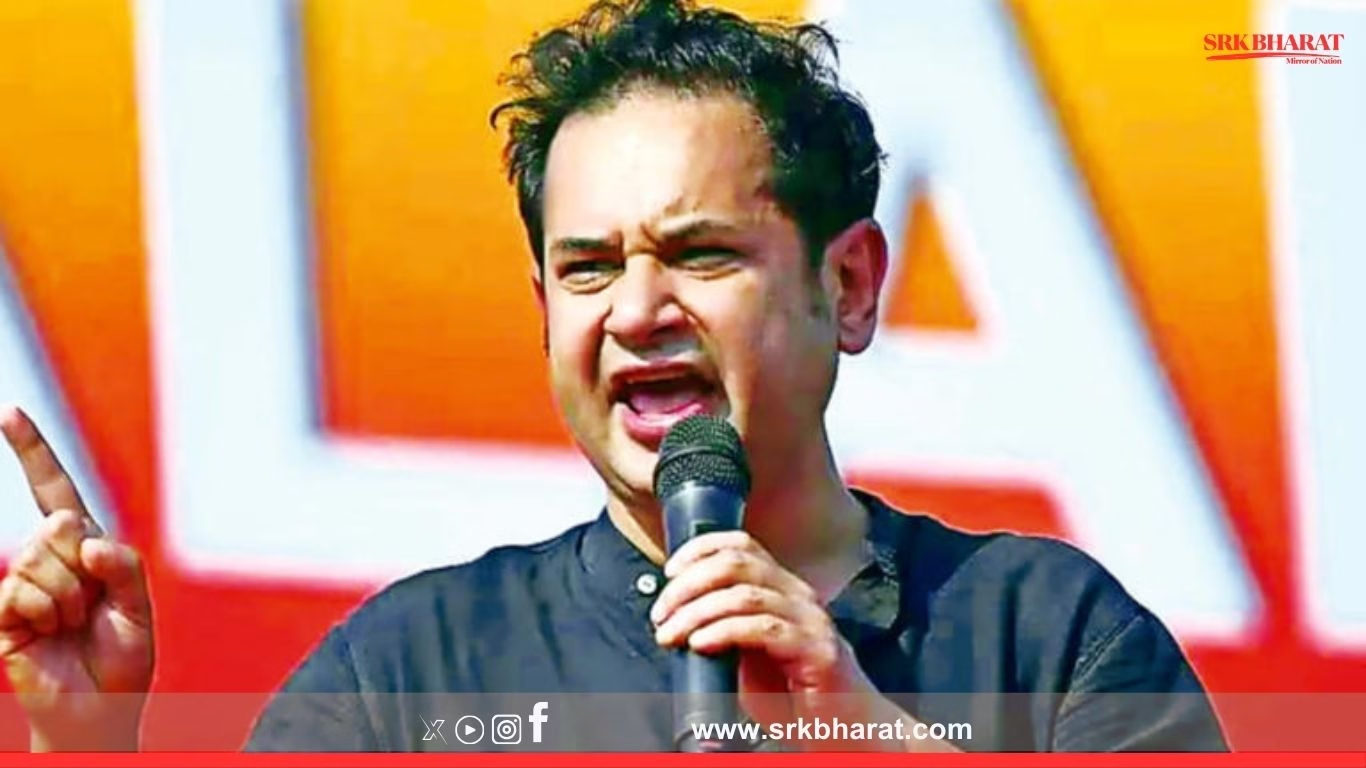
In a powerful and emotionally charged address at Jantar Mantar in New Delhi, TIPRA Motha chief Pradyot Kishore Debbarma declared that Tripura’s indigenous tribal communities are prepared to give the Central Government one final opportunity to deliver on its promise of a “constitutional solution.” The statement comes nearly 18 months after the signing of the historic Tiprasa Accord, which was meant to address longstanding demands related to land, identity, and political rights of Tripura’s tribal population.
The demonstration, held on September 9, 2025, was attended by tribal leaders, youth activists, and supporters from across the Northeast, including BJP MP Kriti Devi Debbarma, Pradyot’s sister. The event marked the culmination of a 2,500 km-long “Pedal Yatra” led by youth leader David Murasingh, symbolizing the resilience and determination of Tripura’s tribal communities.
The Tiprasa Accord: A Promise Unfulfilled?
Signed on March 2, 2024, the Tiprasa Accord was a tripartite agreement between the Ministry of Home Affairs, the Tripura Government, and TIPRA Motha. It promised to resolve issues related to history, land, political representation, economic development, and cultural identity of Tripura’s indigenous people. However, according to Pradyot, the implementation has been stalled due to resistance from certain political factions within Tripura.
| Agreement Component | Status (as of Sept 2025) | Remarks |
|---|---|---|
| Land and Political Rights | Pending | No legislative action taken |
| Economic Development Initiatives | Partial | Some schemes launched, limited impact |
| Cultural and Language Recognition | Incomplete | No formal inclusion in state curriculum |
| Joint Working Committee Formation | Delayed | Yet to be fully operational |
Pradyot emphasized that while the Centre, particularly Home Minister Amit Shah, has shown support, local political resistance has hindered progress. “We are honest and simple, but it doesn’t mean we are scared of anyone,” he said, urging Delhi to take the Northeast seriously.
A Historic Parallel: Indira Gandhi and the ADC
Drawing a parallel with history, Pradyot recalled how former Prime Minister Indira Gandhi overruled opposition within the Congress party in 1982 to approve the Tripura Tribal Areas Autonomous District Council (TTAADC). He cited Congress leader Ashok Bhattacharya’s infamous statement—“rokto dibo kintu ADC debona” (blood would be given but not an ADC)—to highlight the resistance tribal demands have historically faced.
| Year | Political Milestone | Outcome |
|---|---|---|
| 1982 | Approval of TTAADC by PM Indira Gandhi | Empowered tribal governance |
| 2024 | Signing of Tiprasa Accord | Promised constitutional recognition |
| 2025 | Delay in implementation | Renewed tribal mobilization |
Pradyot urged Amit Shah to emulate Gandhi’s decisiveness and implement the Tiprasa Accord without further delay.
The Delhi Demonstration: A Unified Tribal Voice
The protest in Delhi was notably devoid of party flags or banners, signaling a unified tribal voice beyond political affiliations. Leaders from Nagaland, Meghalaya, and Tripura joined the gathering, reinforcing the pan-Northeast solidarity behind the demands.
Torch rallies were simultaneously held across Tripura, with thousands participating in block-level mobilizations. In Agartala, the rally began from Swami Vivekananda Stadium and was attended by TIPRA Motha MLAs, TTAADC members, and civil society representatives.
| Location | Event Type | Participation Level |
|---|---|---|
| Jantar Mantar, Delhi | Central Demonstration | High-profile leaders, youth activists |
| Agartala | Torch Rally | MLAs, TTAADC members, citizens |
| Block Level (Tripura) | Local Mobilizations | Grassroots tribal communities |
David Murasingh, who led the Pedal Yatra, was hailed as a symbol of tribal perseverance. His journey from Tripura to Delhi was described by Pradyot as “not just a march, but a message.”
Political Dynamics and Resistance
Pradyot did not mince words when addressing internal resistance within the Tripura BJP. He accused certain leaders of obstructing the constitutional solution despite support from the Centre. “There are people in Tripura who, like Ashok Bhattacharya, are creating unnecessary obstacles,” he said.
This internal friction has raised questions about the BJP’s commitment to tribal welfare, especially as TIPRA Motha remains a key ally in the state. The party has announced plans to launch a statewide movement next month to build public pressure and engage leaders across political lines.
| Political Entity | Position on Tiprasa Accord | Remarks |
|---|---|---|
| TIPRA Motha | Strongly supportive | Demanding full implementation |
| Central Government | Supportive (per Amit Shah) | Yet to enforce agreement provisions |
| Tripura BJP Leaders | Mixed responses | Accused of delaying implementation |
| Opposition Parties | Largely silent | Awaiting political developments |
Constitutional Solution: What It Means
The term “constitutional solution” refers to formal recognition and protection of tribal rights within the Indian Constitution. This includes land rights, political autonomy, cultural preservation, and economic upliftment. TIPRA Motha has long advocated for the creation of “Greater Tipraland,” a proposed autonomous region for indigenous communities.
| Demand Area | Proposed Constitutional Measures |
|---|---|
| Land Rights | Protection under Sixth Schedule |
| Political Autonomy | Enhanced powers for TTAADC |
| Cultural Identity | Inclusion of Kokborok language in curriculum |
| Economic Development | Dedicated tribal welfare schemes |
Pradyot reiterated that the movement is not anti-national but seeks justice within the constitutional framework. “We are giving Delhi a last chance. If they fail, we will not remain silent,” he warned.
Future Roadmap and Mobilization
TIPRA Motha has outlined a multi-phase strategy to escalate its demands. This includes:
- Launching a statewide awareness campaign in Tripura
- Engaging with national parties and civil society groups
- Filing legal petitions to expedite implementation
- Organizing mass mobilizations and peaceful protests
Pradyot also hinted at personal sacrifices, stating, “If needed, I am ready to go to jail. But I will not compromise in my fight for tribal welfare.”
Conclusion
The Delhi demonstration led by TIPRA Motha marks a critical juncture in Tripura’s tribal movement. With the Tiprasa Accord hanging in the balance and tribal patience wearing thin, the Centre faces mounting pressure to act decisively. Pradyot Kishore Debbarma’s call for a “last chance” is not just a political statement—it’s a plea for justice, dignity, and recognition.
As Tripura’s indigenous communities rally behind their leaders, the coming weeks will be pivotal in determining whether promises made will finally be fulfilled—or whether a new wave of tribal mobilization will reshape the state’s political landscape.
Disclaimer: This article is based on publicly available information and statements made by political leaders. All claims and interpretations are subject to legal and governmental review. The individuals and entities mentioned are presumed to be acting within the bounds of democratic rights and constitutional frameworks.

лечение зависимостей http://www.narkologicheskaya-klinika-23.ru .
1xbet giri? 1xbet giri? .
1xbet turkiye 1xbet turkiye .
рулонные шторы на кухню купить рулонные шторы на кухню купить .
1xbet tr 1xbet tr .
рулонные шторки на окна рулонные шторки на окна .
1xbet g?ncel adres 1xbet g?ncel adres .
1xbet mobi http://1xbet-giris-2.com .
1xbet ?yelik 1xbet-giris-4.com .
заказать продвижение сайта в москве заказать продвижение сайта в москве .
как продвигать сайт статьи statyi-o-marketinge7.ru .
интернет маркетинг статьи интернет маркетинг статьи .
plane crash real money game http://www.aviator-game-predict.com .
pin up ishonchli saytmi http://pinup5009.ru/
pin up o‘zbek tilida sayt pin up o‘zbek tilida sayt
pin up kazino o‘yinlari bepul http://pinup5011.ru
пин ап пополнение счёта https://pinup5012.ru
пин ап кешбэк уз пин ап кешбэк уз
пин ап сайт на узбекском http://pinup5014.ru/
как использовать бонусы 1win казино http://1win5522.ru
1win tikish qanday qilinadi http://1win5511.ru/
pin up yuklash android pin up yuklash android
1вин теннис ставки http://1win5513.ru
1вин техподдержка http://www.1win5512.ru
мелбет фрибет https://melbet5001.ru
1win yangi domen 1win5514.ru
1 win бонусы спорт как потратить https://1win12045.ru
melbet melbet
скачать мостбет на андроид бесплатно старая версия скачать мостбет на андроид бесплатно старая версия
мостбет регистрация http://mostbet2031.help
мостбет зеркало скачать мостбет зеркало скачать
мост бет букмекерская контора [url=https://www.mostbet2032.help]https://www.mostbet2032.help[/url]
мостбет контакты мостбет контакты
1win mexico 1win mexico
1win peru 1win peru
1win ruletka uz MAQOLALAR.UZ
1вин приложение на айфон 1вин приложение на айфон
промокоды для 1win промокоды для 1win
1win бонусы спорт как использовать 1win бонусы спорт как использовать
aviator 1win aviator 1win
1win partners 1win5740.help
1win az virtual oyunlar 1win az virtual oyunlar
1win şifrə unutmuşam https://www.1win5760.help
Your article helped me a lot, is there any more related content? Thanks! https://www.binance.info/es/register?ref=RQUR4BEO
Мега Даркнет — считается платформой, расположенный в теневом сегменте сети, где посетители ищут различные непубличные сервисы.
мега площадка тор прочно ассоциируется с подпольной стороной сети и строгой анонимностью пользователей.
В переносном смысле данный сайт можно рассматривать как окно в подпольную сеть, которое скрывает множество нюансов.
Платформа Mega относится к числу известных площадок «подземного интернета», где ключевую роль играют анонимность участников и шифрование трафика.
Доступ к таким ресурсам требует применения специального ПО (например, Тор), в сочетании с VPN-соединениями для обхода сетевых ограничений.
С целью посещения ресурса, пользователю необходимо знать точный адрес (ONION-ссылку) и провести тщательную настройку оборудования.
Главная особенность Меги заключается в полной непрозрачности посетителей и невозможности создать обычный аккаунт.
Пользователи на этом сайте находят множество услуг: от приватных мессенджеров до площадок для торговли.
Ресурс предоставляет охрану от слежки благодаря современным технологиям шифрования.
Вместе с тем даже комплексные меры безопасности может быть эффективной лишь отчасти, особенно при неосмотрительном поведении посетителей ресурса.
На сегодняшнем этапе развития сети подобный ресурс занимает нишевую роль, становясь местом для людей, кто нуждается в альтернативных каналах данными и услугами.
На страницах ресурса попадаются как разрешенный контент, так и нелегальные, что требует от посетителя высокой осторожности и осознанности.
Анализируя роль подобных площадок в интернете, можно выделить определенные нюансы, связанных с правилами поведения и безопасности.
Прежде всего, критически важна грамотная настройка пользовательского окружения и применение многоступенчатых мер защиты для снижения угроз.
Любой участник обязан разбираться в уровни анонимности и, по возможности, следовать моральным нормам при работе внутри сети.
Также важно помнить, что следует учитывать о правовых рисках и возможных последствиях за нарушение законодательства.
Юридические системы мира неодинаково оценивают доступа к подобным площадкам и ответственность за их использование.
Ряд экспертов отмечают, что такие площадки могут выступать пространством для дискуссий и обмена опытом и обеспечения анонимности при осознанном использовании.
Однако, опасность мошенничества, кражи денег и злонамеренных акций здесь всегда присутствуют.
Лавируя между открытостью информации и нормативными запретами, этот ресурс остается одной из самых противоречивых частей глобальной сети.
Резюмируя для посетителей: необходимо крайне аккуратно подходить к изучаемой информации и проверке источников.
Обобщая вышесказанное можно заключить, что подобные ресурсы — это неоднозначное и опасное пространство. Она предлагает скрытность и защиты личных данных, но накладывает на посетителя осторожности, технической грамотности и соблюдения этических норм.
Площадка показывает спектр человеческих поступков в обстановке минимального надзора и создает возможности для обсуждения острых тем.
Как видно, Мега Даркнет остается сложным феноменом интернета, где равновесие между открытостью и защитой каждый пользователь находит для себя сам.
Теневая платформа Mega — это ресурс, функционирующий в даркнете, где посетители ищут множество специфических услуг.
мега даркнет прочно ассоциируется с подпольной стороной сети и максимальным уровнем анонимности.
Образно говоря, этот ресурс можно рассматривать как окно в подпольную сеть, которое скрывает множество нюансов.
Мега Даркнет занимает важное место в структуре «даркнета», где главное значение имеют приватность посетителей и защита каналов связи.
Доступ к таким ресурсам требует через специализированные браузеры (например, Tor), и дополнительно VPN для обхода сетевых ограничений.
Для входа на платформу, требуется иметь актуальную ссылку (ONION-ссылку) и настроить систему особым образом.
Основная характеристика ресурса состоит в отсутствии информации посетителей и отсутствии централизованной регистрации.
Участники данной сети находят самые разные сервисы: от приватных мессенджеров до площадок для торговли.
Платформа обеспечивает защиту от мониторинга благодаря передовым методам кодирования.
Однако даже многоуровневая защита может обеспечить только относительную защиту, особенно при неосмотрительном поведении посетителей ресурса.
В современном цифровом ландшафте данная площадка выполняет узкоспециализированную функцию, привлекая тех, кто нуждается в альтернативных каналах данными и услугами.
На страницах ресурса бывают представлены как допустимые законом сведения, так и нелегальные, что вынуждает участника быть внимательным и предусмотрительным.
Анализируя роль подобных площадок в интернете, стоит обратить внимание на несколько ключевых аспектов, относящихся к особенностям применения и безопасности.
Прежде всего, критически важна грамотная настройка рабочего пространства и использование комплексной защиты для уменьшения опасностей.
Каждый посетитель должен разбираться в уровни анонимности и, желательно соблюдать правилам цифровой этики при общении на данной платформе.
Во-вторых, следует учитывать о проблемах с законом и реальной ответственности за незаконные действия.
Законодательство разных стран расходятся во мнениях относительно доступа к подобным площадкам и меры наказания за активность там.
Ряд экспертов отмечают, что эти ресурсы могут служить местом для обмена знаниями и обеспечения анонимности при осознанном использовании.
Тем не менее, угроза быть обманутым, кражи денег и мошеннических действий здесь остаются высокими.
Находясь на грани открытостью информации и нормативными запретами, Мега Даркнет остается одной из самых противоречивых частей интернета.
Вывод для пользователей прост: требуется осмотрительно выбирать к тому, что смотреть и читать и верификации данных.
Итоговый вывод можно заключить, что Мега Даркнет — это сложный цифровой феномен. Она предлагает максимальную приватность и приватности, но обязывает любого пользователя бдительности, определенных знаний и моральной ответственности.
Этот ресурс наглядно демонстрирует спектр человеческих поступков в обстановке минимального надзора и предоставляет платформу для коммуникации по закрытым вопросам.
Итак, теневая платформа является многогранным явлением цифрового мира, где баланс между свободой и безопасностью зависит от самого человека.
Теневая платформа Mega — это ресурс, функционирующий в даркнете, где посетители ищут к разнообразным сервисам и услугам.
ссылки на сайты даркнет связан с мрачной тематикой даркнета и строгой анонимностью пользователей.
В переносном смысле данный сайт выступает как вход в скрытую часть интернета, которое имеет свои тонкости.
Данный теневой сайт является одной из заметных частей «подземного интернета», где ключевую роль играют скрытность пользователей и безопасность соединений.
Вход на эти сайты чаще всего производится через специализированные браузеры (например, Тор), и дополнительно VPN для обеспечения доступа из любой точки.
Чтобы попасть на этот сайт, нужно найти рабочий адрес (ONION-ссылку) и обеспечить корректную конфигурацию.
Основная характеристика ресурса заключается в полной непрозрачности посетителей и децентрализованной структуре.
Посетители здесь отыскивают разнообразные предложения: от закрытых каналов связи до торговых платформ.
Сайт гарантирует безопасность от мониторинга благодаря современным технологиям шифрования.
Однако даже комплексные меры безопасности может гарантировать лишь частичную безопасность, особенно при неосторожных действиях самих пользователей.
На сегодняшнем этапе развития сети подобный ресурс выполняет узкоспециализированную функцию, привлекая тех, кто нуждается в альтернативных каналах данными и услугами.
Внутри площадки могут встречаться как допустимые законом сведения, так и противоправные, что обязывает пользователя высокой осторожности и осознанности.
Рассматривая Мега Даркнет как часть глобальной сети, можно выделить несколько ключевых аспектов, касающихся культуры использования и безопасности.
Прежде всего, критически важна корректная организация рабочего пространства и применение многоступенчатых мер защиты для уменьшения опасностей.
Любой участник обязан понимать уровни анонимности и, желательно соблюдать этичным принципам при общении на данной платформе.
Также важно помнить, что нельзя игнорировать о юридических последствиях и наказании за незаконные действия.
Юридические системы мира неодинаково оценивают само присутствие на подобных сайтах и меры наказания за активность там.
Ряд экспертов отмечают, что такие площадки могут выступать пространством для дискуссий и обмена опытом и сохранения конфиденциальности при осознанном использовании.
Однако, опасность мошенничества, хищения средств и криминальной активности здесь всегда присутствуют.
Находясь на грани информационной свободой и жесткими правовыми ограничениями, этот ресурс является самым спорным элементом глобальной сети.
Отсюда следует простой вывод: необходимо крайне аккуратно подходить к тому, что смотреть и читать и проверке источников.
В конечном счете сводится к тому, что данная площадка — это сложный цифровой феномен. Сайт обеспечивает высокий уровень анонимности и защиты личных данных, но обязывает любого пользователя бдительности, понимания технологий и моральной ответственности.
Площадка показывает спектр человеческих поступков в обстановке минимального надзора и предоставляет платформу для дискуссий на спорные темы.
Таким образом, Мега Даркнет является многогранным явлением цифрового мира, где равновесие между открытостью и защитой определяется индивидуально.
Теневая платформа Mega — это ресурс, находящийся в закрытой части интернета, где можно найти множество специфических услуг.
mega dark прочно ассоциируется с теневым характером и максимальным уровнем анонимности.
Метафорически эту площадку выступает как окно в подпольную сеть, которое скрывает множество нюансов.
Платформа Mega является одной из заметных частей «подземного интернета», где основное внимание уделяется скрытность пользователей и шифрование трафика.
Доступ к таким ресурсам чаще всего производится применения специального ПО (например, Tor), а также VPN для обхода сетевых ограничений.
Для входа на платформу, пользователю необходимо знать точный адрес (ONION-ссылку) и настроить систему особым образом.
Основная характеристика ресурса — это скрытность посетителей и децентрализованной структуре.
Пользователи на этом сайте находят самые разные сервисы: от конфиденциальных чатов до маркетплейсов.
Сайт гарантирует безопасность от слежки благодаря передовым методам кодирования.
Вместе с тем даже многоуровневая защита может быть эффективной лишь отчасти, особенно при ошибках самих пользователей.
На сегодняшнем этапе развития сети данная площадка занимает нишевую роль, интересуя тех пользователей, кто охотится за непубличной информации и специфические услуги.
Внутри площадки могут встречаться как допустимые законом сведения, так и запрещенные, что обязывает пользователя быть внимательным и предусмотрительным.
Изучая феномен теневых платформ, следует отметить несколько ключевых аспектов, касающихся культуры использования и конфиденциальности.
Во-первых, критически важна правильная конфигурация рабочего пространства и применение многоступенчатых мер защиты для минимизации рисков.
Каждый посетитель должен разбираться в степени конфиденциальности и, по мере сил придерживаться этичным принципам при взаимодействии в этой среде.
Также важно помнить, что нельзя игнорировать о проблемах с законом и реальной ответственности за нарушение законодательства.
Правовые нормы государств расходятся во мнениях относительно доступа к подобным площадкам и ответственность за их использование.
Отдельные специалисты подчеркивают, что эти ресурсы могут служить местом для обмена знаниями и обеспечения анонимности при грамотном поведении.
Но при всем при этом, угроза быть обманутым, кражи денег и мошеннических действий здесь всегда присутствуют.
Находясь на грани открытостью информации и суровыми законами, Мега Даркнет представляет собой наиболее неоднозначный сегмент всемирной паутины.
Резюмируя для посетителей: требуется осмотрительно выбирать к тому, что смотреть и читать и верификации данных.
Итоговый вывод сводится к тому, что Мега Даркнет — это сложная и противоречивая среда. Она предлагает максимальную приватность и защиты личных данных, но накладывает на посетителя внимательности, технической грамотности и осознанности действий.
Площадка показывает спектр человеческих поступков в условиях ограниченного внешнего контроля и предоставляет платформу для обсуждения острых тем.
Как видно, Мега Даркнет является многогранным явлением интернета, где баланс между свободой и безопасностью каждый пользователь находит для себя сам.
Площадка Mega — представляет собой сайт, расположенный в теневом сегменте сети, где можно найти различные непубличные сервисы.
mega tor отождествляется с теневым характером и повышенной конфиденциальностью.
Метафорически эту площадку можно рассматривать как вход в скрытую часть интернета, которое имеет свои тонкости.
Платформа Mega занимает важное место в структуре «даркнета», где ключевую роль играют анонимность участников и шифрование трафика.
Доступ к таким ресурсам обычно осуществляется использования особых браузеров (например, Тор), и дополнительно VPN для обхода сетевых ограничений.
Чтобы попасть на этот сайт, требуется иметь актуальную ссылку (ONION-ссылку) и настроить систему особым образом.
Главная особенность Меги заключается в полной непрозрачности посетителей и невозможности создать обычный аккаунт.
Посетители здесь отыскивают разнообразные предложения: от конфиденциальных чатов до маркетплейсов.
Сайт гарантирует безопасность от мониторинга благодаря передовым методам кодирования.
Однако даже комплексные меры безопасности может гарантировать лишь частичную безопасность, особенно при неосторожных действиях посетителей ресурса.
На сегодняшнем этапе развития сети подобный ресурс выполняет узкоспециализированную функцию, интересуя тех пользователей, кто охотится за непубличной информацией и особыми сервисами.
Внутри площадки бывают представлены как легальные материалы, так и запрещенные, что требует от посетителя проявлять бдительность и ответственность.
Рассматривая Мега Даркнет как часть глобальной сети, можно выделить ряд важных моментов, относящихся к особенностям применения и конфиденциальности.
Первое, на что стоит обратить внимание, необходима грамотная настройка рабочего пространства и применение многоступенчатых мер защиты для уменьшения опасностей.
Каждый посетитель должен разбираться в принципы скрытности и, по возможности, следовать правилам цифровой этики при работе внутри сети.
Кроме того, следует учитывать о проблемах с законом и наказании за незаконные действия.
Законодательство разных стран расходятся во мнениях относительно само присутствие на подобных сайтах и ответственность за их использование.
Отдельные специалисты подчеркивают, что эти ресурсы могут выступать пространством для обмена знаниями и защиты приватности при грамотном поведении.
Тем не менее, опасность мошенничества, финансовых потерь и мошеннических действий здесь никогда не исчезают.
Балансируя между информационной свободой и нормативными запретами, этот ресурс остается одной из самых противоречивых частей всемирной паутины.
Отсюда следует простой вывод: следует очень внимательно относиться к тому, что смотреть и читать и верификации данных.
В конечном счете сводится к тому, что подобные ресурсы — это сложная и противоречивая среда. Сайт обеспечивает высокий уровень анонимности и защиты личных данных, но обязывает любого пользователя осторожности, технической грамотности и соблюдения этических норм.
Площадка показывает многообразие поведения людей в среде с ослабленным регулированием и служит местом для обсуждения острых тем.
Итак, теневая платформа является многогранным явлением глобальной сети, где баланс между свободой и безопасностью определяется индивидуально.
Площадка Mega — это ресурс, находящийся в закрытой части интернета, где можно найти к разнообразным сервисам и услугам.
сайт мега даркнет отождествляется с подпольной стороной сети и максимальным уровнем анонимности.
Образно говоря, этот ресурс воспринимается как портал в закрытое цифровое пространство, которое таит в себе массу особенностей.
Платформа Mega относится к числу известных площадок «даркнета», где ключевую роль играют приватность посетителей и шифрование трафика.
Доступ к таким ресурсам чаще всего производится применения специального ПО (например, Тор), и дополнительно VPN для обеспечения доступа из любой точки.
С целью посещения ресурса, требуется иметь актуальную ссылку (ONION-ссылку) и настроить систему особым образом.
Главная особенность Меги — это скрытность участников и децентрализованной структуре.
Посетители здесь отыскивают самые разные сервисы: от конфиденциальных чатов до маркетплейсов.
Ресурс предоставляет охрану от слежки благодаря мощным криптографическим алгоритмам.
Вместе с тем даже многоуровневая защита может гарантировать лишь частичную безопасность, особенно при неосмотрительном поведении участников системы.
В текущих реалиях интернета подобный ресурс имеет свою специфическую нишу, становясь местом для людей, кто охотится за непубличной данными и услугами.
Внутри площадки бывают представлены как допустимые законом сведения, так и нелегальные, что требует от посетителя проявлять бдительность и ответственность.
Изучая феномен теневых платформ, следует отметить несколько ключевых аспектов, касающихся культуры использования и безопасности.
Во-первых, необходима корректная организация пользовательского окружения и использование комплексной защиты для снижения угроз.
Пользователь обязан разбираться в степени конфиденциальности и, по возможности, следовать моральным нормам при общении на данной платформе.
Также важно помнить, что нельзя игнорировать о проблемах с законом и наказании за нарушение законодательства.
Правовые нормы государств расходятся во мнениях относительно само присутствие на подобных сайтах и меры наказания за активность там.
Некоторые исследователи подчеркивают, что такие площадки могут становиться платформой для коммуникации и защиты приватности при грамотном поведении.
Однако, опасность мошенничества, кражи денег и мошеннических действий здесь никогда не исчезают.
Лавируя между открытостью информации и жесткими правовыми ограничениями, Мега Даркнет является самым спорным элементом интернета.
Резюмируя для посетителей: требуется осмотрительно выбирать к тому, что смотреть и читать и верификации данных.
Обобщая вышесказанное можно заключить, что Мега Даркнет — это сложный цифровой феномен. Платформа дает высокий уровень анонимности и приватности, но накладывает на посетителя осторожности, понимания технологий и моральной ответственности.
Площадка показывает спектр человеческих поступков в среде с ослабленным регулированием и создает возможности для дискуссий на спорные темы.
Итак, этот сегмент сети остается сложным феноменом цифрового мира, где баланс между свободой и безопасностью зависит от самого человека.
Для современного интерьера идеально подойдет электрокарнизы 7 (499) 638-25-37 , который обеспечит удобство и стиль в управлении шторами.
С помощью электрокарниза управление шторами становится максимально удобным. Он особенно удобен в больших помещениях, где нужно одновременно регулировать множество полотен. Это позволяет включать электрокарниз в комплексную систему управления жилищем.
Принцип работы электрокарниза основан на электрическом приводе, который движет гардины по направляющим. Пульт дистанционного управления позволяет открывать и закрывать шторы без усилий. Это делает устройство идеальным для использования в офисах, гостиницах и домах с современным дизайном. Такой механизм автоматизирует управление шторами и значительно экономит время.
Выбор электрокарниза зависит от размеров окна, веса штор и типа крепления. Двигатель электрокарниза следует подбирать с запасом по мощности в зависимости от штор. Также стоит обратить внимание на материал направляющей и качество комплектующих. Использование прочных комплектующих обеспечивает устойчивость электрокарниза.
Установка электрокарниза требует аккуратности и точного соблюдения инструкции. Рекомендуется доверить монтаж профессионалам для надежного результата. Регулярное техническое обслуживание поможет продлить срок службы устройства. Своевременная профилактика увеличит срок службы электрокарниза.
Спин-шаблон:
Также стоит обратить внимание на материал направляющей и качество комплектующих.
Современные потолочные карнизы с электроприводом Прокарниз обеспечивают максимальный комфорт и стиль в вашем интерьере.
Выбор карниза с электроприводом должен учитывать особенности помещения.
Современные электрические жалюзи 7 (499) 638-25-37 обеспечивают удобство управления светом в вашем доме с помощью дистанционного пульта.
Особенно полезны такие жалюзи для панорамных окон и труднодоступных проёмов.
—
Кроме того, они безопаснее для семей с маленькими детьми, так как отсутствуют открытые шнуры.
Для создания комфортной атмосферы в доме идеально подойдут рулонные шторы для витрины с электроприводом Prokarniz , которые легко управляются с помощью пульта или смартфона.
Технически автоматические рулонные шторы оснащены электроприводом.
Удобство и современный дизайн обеспечат рулонные шторы с электроприводом в Москве прокарниз
рулонные шторы с электроприводом на заказ , которыми легко управлять с пульта или смартфона.
Это существенно экономит время и увеличивает комфорт.
Установите удобный электрокарнизы москва для идеального управления шторами в вашем доме.
Он позволяет управлять текстилем на окнах с помощью пульта дистанционного управления.
Такие системы становятся все популярнее благодаря своему удобству и функциональности. Их часто устанавливают в умных домах для интеграции в систему автоматизации.
#### **2. Преимущества электрокарнизов**
Главное достоинство электрокарниза — это удобство использования. Система работает бесшумно и плавно, не создавая лишнего шума.
Кроме того, электрокарнизы отличаются высокой надежностью и долговечностью. Современные модели оснащены защитой от перегрузок и коротких замыканий.
#### **3. Установка и настройка**
Монтаж электрокарниза требует определенных навыков и точности. Перед установкой необходимо проверить прочность стены или потолка в месте крепления.
После установки нужно правильно настроить систему управления. Для удобства можно синхронизировать устройство с другими элементами умного дома.
#### **4. Выбор подходящей модели**
При покупке электрокарниза важно учитывать несколько факторов. Также стоит обратить внимание на тип управления: проводной или беспроводной.
На рынке представлены модели разных ценовых категорий. Выбор зависит от ваших потребностей и бюджета, но качество всегда должно быть на первом месте.
—
### **Спин-шаблон**
#### **1. Введение**
Их часто устанавливают в умных домах для интеграции в систему автоматизации.
#### **2. Преимущества электрокарнизов**
Современные модели оснащены защитой от перегрузок и коротких замыканий.
#### **3. Установка и настройка**
Для удобства можно синхронизировать устройство с другими элементами умного дома.
#### **4. Выбор подходящей модели**
Выбор зависит от ваших потребностей и бюджета, но качество всегда должно быть на первом месте.
Современные Как подключить рулонную штору к умному дому Прокарниз не только облегчают контроль освещенности в помещении, но и добавляют комфорта в ваш интерьер.
Управлять шторами можно дистанционно, используя различные устройства, что значительно расширяет функциональность.
“аренда инструмента в слуцке – выгодные условия и широкий выбор инструментов для любых задач.”
Вместо того чтобы покупать инструмент, который может понадобиться всего несколько раз, выгоднее взять его в аренду по доступной цене.
Такой подход особенно удобен для строителей и мастеров. Строительные компании активно используют аренду, чтобы не закупать лишнее оборудование.
#### **2. Какой инструмент можно взять в аренду?**
В Слуцке доступен широкий ассортимент оборудования для разных задач. В прокате представлены бензопилы, газонокосилки и другая садовая техника.
Кроме того, в аренду сдают и специализированную технику. Если нужно работать на высоте, доступны подъемники и строительные леса.
#### **3. Преимущества аренды инструмента**
Главный плюс – экономия на обслуживании и хранении. Вам не придется беспокоиться о ремонте инструмента, так как за ним следят специалисты.
Дополнительный бонус – помощь в выборе подходящего оборудования. Если вы не уверены в выборе, специалисты дадут профессиональный совет.
#### **4. Как оформить аренду в Слуцке?**
Процедура аренды максимально проста и прозрачна. Для оформления понадобится только паспорт и небольшой залог.
Условия проката выгодны для всех клиентов. Доставка оборудования возможна в любой район Слуцка.
—
### **Спин-шаблон статьи**
#### **1. Почему аренда инструмента – это выгодно?**
Аренда инструмента в Слуцке позволяет избежать лишних затрат . Покупка профессионального оборудования требует больших затрат, а аренда дает доступ к качественному инструменту без лишних расходов .
Такой подход особенно удобен для компаний и частных клиентов. Многие профессионалы предпочитают брать инструмент напрокат, так как это снижает затраты на выполнение работ .
#### **2. Какой инструмент можно взять в аренду?**
В Слуцке доступен множество инструментов для профессионального и бытового использования. Для строительных работ доступны бетономешалки, виброплиты и леса.
Кроме того, в аренду сдают и оборудование для узких задач. Если нужно работать на высоте, доступны подъемники и строительные леса .
#### **3. Преимущества аренды инструмента**
Главный плюс – экономия на обслуживании и хранении . Арендуя оборудование, вы избегаете затрат на его хранение и транспортировку .
Дополнительный бонус – консультации профессионалов . Опытные менеджеры подскажут, какая модель лучше справится с работой .
#### **4. Как оформить аренду в Слуцке?**
Процедура аренды доступна каждому клиенту. Вы можете приехать в офис, чтобы лично выбрать подходящий инструмент .
Условия проката предполагают гибкие тарифы. На длительные периоды предоставляются скидки и специальные предложения .