




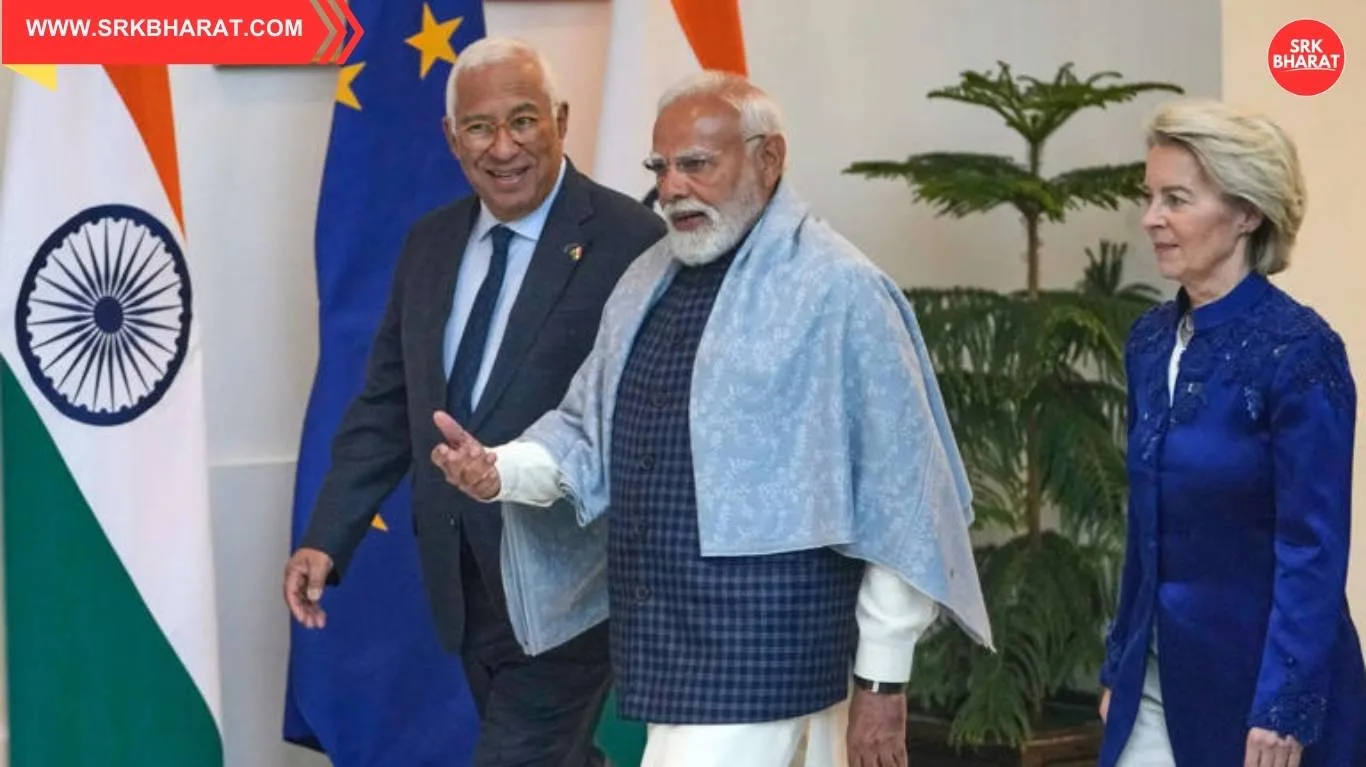
Global rating agency Moody’s has highlighted that the proposed India-European Union (EU) trade pact could significantly boost India’s manufacturing sector and attract higher foreign direct investment (FDI) inflows. The pact, currently under negotiation, is expected to strengthen bilateral trade ties, improve market access, and align India’s industrial growth with global standards.
Background of the Pact
- India and the EU have been negotiating a comprehensive trade and investment agreement for several years.
- The pact aims to reduce tariffs, improve regulatory cooperation, and enhance investment flows.
- Moody’s analysis suggests that the agreement could be transformative for India’s manufacturing sector, particularly in industries such as automobiles, steel, textiles, and pharmaceuticals.
- The pact is also expected to support India’s “Make in India” initiative by integrating domestic industries into global supply chains.
Key Highlights
| Indicator | Details |
|---|---|
| Pact in Focus | India-EU Trade and Investment Agreement |
| Agency Commenting | Moody’s |
| Impact Areas | Manufacturing, FDI inflows |
| Strategic Goal | Strengthen bilateral trade and industrial growth |
| Broader Context | Global competitiveness, supply chain integration |
Current Scenario vs Post-Pact Outlook
| Factor | Current Scenario | Post-Pact Outlook | Implication |
|---|---|---|---|
| Manufacturing Growth | Moderate, domestic focus | Accelerated, export-driven | Boost to industrial output |
| FDI Inflows | Rising but uneven | Higher, diversified | Strengthened capital base |
| Trade Relations | Tariff barriers | Reduced tariffs | Improved market access |
| Global Competitiveness | Limited integration | Enhanced integration | Stronger global positioning |
| Long-Term Outlook | Growth potential | Sustainable expansion | Economic resilience |
Why This Story Matters
- Economic Growth: The pact could accelerate India’s GDP growth by boosting manufacturing.
- Investor Confidence: Enhanced FDI inflows would strengthen India’s financial stability.
- Trade Relations: Strengthens India’s ties with one of its largest trading partners.
- Policy Alignment: Supports India’s industrial and sustainability goals.
- Future Outlook: Positions India as a key player in global supply chains.
Moody’s Perspective
- Moody’s emphasized that reduced tariffs and regulatory cooperation would make India more attractive to global investors.
- The pact could help India diversify its export basket and reduce dependence on a few markets.
- Manufacturing sectors such as automobiles, steel, and textiles are expected to benefit the most.
India’s Strategic Goals
- India aims to integrate its industries into global supply chains.
- The pact supports the “Make in India” initiative by encouraging domestic production for global markets.
- Policymakers see the agreement as a way to attract technology-driven investments.
Expert Opinions
- Economists: Highlight the potential for job creation in manufacturing.
- Industry Leaders: Stress the importance of aligning with EU standards.
- Critics: Warn that compliance costs may rise for Indian exporters.
- Supporters: Believe the pact will enhance India’s global competitiveness.
Challenges Ahead
- Regulatory Compliance: Meeting EU’s stringent standards on sustainability and quality.
- Negotiation Complexity: Balancing domestic interests with global commitments.
- Market Volatility: Global economic conditions may affect trade flows.
- Public Perception: Managing narratives around tariff reductions.
- Policy Alignment: Ensuring industries adapt to new frameworks.
Opportunities
- Manufacturing Expansion: Boosting industrial output for global markets.
- FDI Growth: Attracting diversified investments across sectors.
- Job Creation: Expanding employment opportunities in manufacturing.
- Global Integration: Strengthening India’s role in supply chains.
- Sustainability: Aligning with EU’s green trade standards.
Broader Context
- The EU is one of India’s largest trading partners.
- India’s exports to the EU include textiles, pharmaceuticals, and engineering goods.
- The pact reflects India’s broader strategy to diversify trade and reduce reliance on traditional markets.
- The agreement underscores the importance of aligning trade with sustainability and innovation.
Sectoral Breakdown of Impact
| Sector | Impact | Strategic Importance |
|---|---|---|
| Manufacturing | Accelerated growth | Industrial expansion |
| FDI | Increased inflows | Financial stability |
| Trade Relations | Strengthened ties | Global positioning |
| Sustainability | Compliance with EU norms | Climate commitments |
| Employment | Job creation | Social development |
Media Coverage
- Headlines highlight Moody’s positive outlook on the India-EU trade pact.
- Analysts debate the potential challenges of compliance with EU standards.
- Coverage emphasizes the pact’s role in boosting manufacturing and FDI.
- The story resonates across economic, industrial, and policy platforms.
Conclusion
The proposed India-EU trade pact, as highlighted by Moody’s, is expected to support India’s manufacturing sector and attract higher FDI inflows. While challenges remain in terms of compliance and negotiation, the agreement offers significant opportunities for industrial growth, global integration, and economic resilience. For India, the pact represents a crucial step toward strengthening its role in international trade and supply chains.
Disclaimer
This article is intended for informational purposes only and does not constitute financial or policy advice. Trade negotiations, regulations, and outcomes are subject to change based on evolving circumstances. Readers are encouraged to follow official updates for accurate information. The author and publisher are not responsible for any decisions made based on this article.