

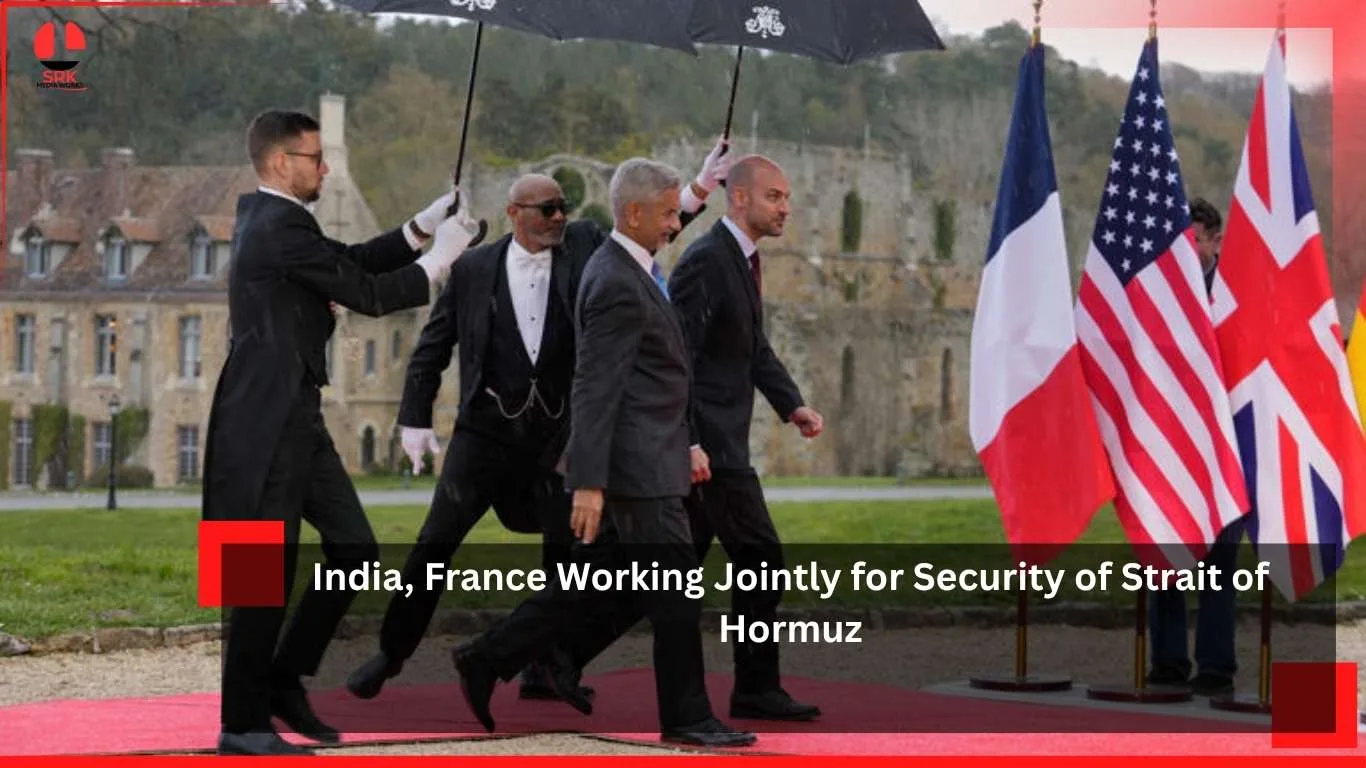
India and France have announced a collaborative effort to enhance the security of the Strait of Hormuz, one of the world’s most critical maritime chokepoints. The joint initiative underscores the importance of safeguarding global energy routes and ensuring freedom of navigation amid rising tensions in the Gulf region.
Background of the Initiative
The Strait of Hormuz, located between Oman and Iran, is a vital passage through which nearly 20% of the world’s oil supply flows. Any disruption in this narrow waterway has immediate consequences for global energy markets. Recognizing its strategic importance, India and France have agreed to work together to strengthen maritime security, protect shipping lanes, and deter threats from piracy, terrorism, or regional conflicts.
Key Highlights of the Collaboration
- Joint Naval Operations: India and France will coordinate naval patrols to monitor shipping activity.
- Information Sharing: Enhanced intelligence cooperation to track suspicious vessels and potential threats.
- Energy Security: Ensuring uninterrupted oil and gas supplies for global markets.
- Diplomatic Engagement: Reinforcing multilateral cooperation with Gulf states and international organizations.
Comparative Analysis of Strategic Roles
| Country | Strategic Role in Strait of Hormuz | Contribution to Joint Effort |
|---|---|---|
| India | Major energy importer, regional stakeholder | Naval presence, intelligence sharing |
| France | Global maritime power, EU representative | Naval assets, diplomatic coordination |
| Gulf States | Regional custodians of shipping lanes | Cooperation with India-France initiative |
| Global Community | Dependent on energy flows | Support for freedom of navigation |
Pivot Analysis: Security vs Energy Stability
| Security Measure | Energy Stability Impact | Expected Outcome |
|---|---|---|
| Joint naval patrols | Protects oil shipments | Reduced risk of disruption |
| Intelligence cooperation | Identifies threats early | Prevents attacks on vessels |
| Diplomatic engagement | Builds regional trust | Strengthens multilateral frameworks |
| Technological monitoring | Enhances surveillance | Greater transparency in shipping lanes |
Implications of the Initiative
- Global Energy Security: Ensures stability in oil and gas supplies, critical for economies worldwide.
- Regional Stability: Signals commitment to peace and deterrence in the Gulf region.
- India-France Partnership: Strengthens bilateral ties and showcases shared strategic interests.
- International Cooperation: Encourages other nations to join efforts for maritime security.
Reactions
- India: Officials emphasized the importance of securing energy routes for national growth.
- France: Highlighted the need for global cooperation to protect maritime freedom.
- Gulf States: Welcomed the initiative as a stabilizing factor in the region.
- Global Markets: Oil prices showed signs of stabilization following the announcement.
Historical Context
The Strait of Hormuz has been a flashpoint for decades, with tensions involving Iran, the U.S., and Gulf states. Past incidents of tanker seizures and military confrontations have underscored the vulnerability of the waterway. India and France’s joint effort reflects a proactive approach to preventing future crises.
Challenges Ahead
- Managing Regional Tensions: Balancing relations with Iran while ensuring security.
- Sustaining Cooperation: Long-term commitment required for effective joint operations.
- Technological Integration: Advanced surveillance and monitoring systems must be deployed.
- Global Coordination: Ensuring alignment with other international stakeholders.
Conclusion
India and France’s joint initiative to secure the Strait of Hormuz marks a significant step in global maritime cooperation. By combining naval strength, intelligence sharing, and diplomatic engagement, the two nations aim to safeguard one of the world’s most critical energy lifelines. The collaboration not only enhances regional stability but also reinforces the importance of multilateral efforts in addressing global challenges.
Disclaimer
This article is based on publicly available reports and expert commentary. It does not represent official government statements or classified intelligence. Readers should interpret the content as journalistic analysis, recognizing that geopolitical developments are fluid and subject to change.