




India has firmly rejected the recent order issued under the Indus Waters Treaty (IWT), declaring the arbitration court’s decision as “illegal and unacceptable.” The move has reignited debate over the decades-old treaty signed between India and Pakistan in 1960, which governs the sharing of river waters originating from the Indus basin.
Background of the Indus Waters Treaty
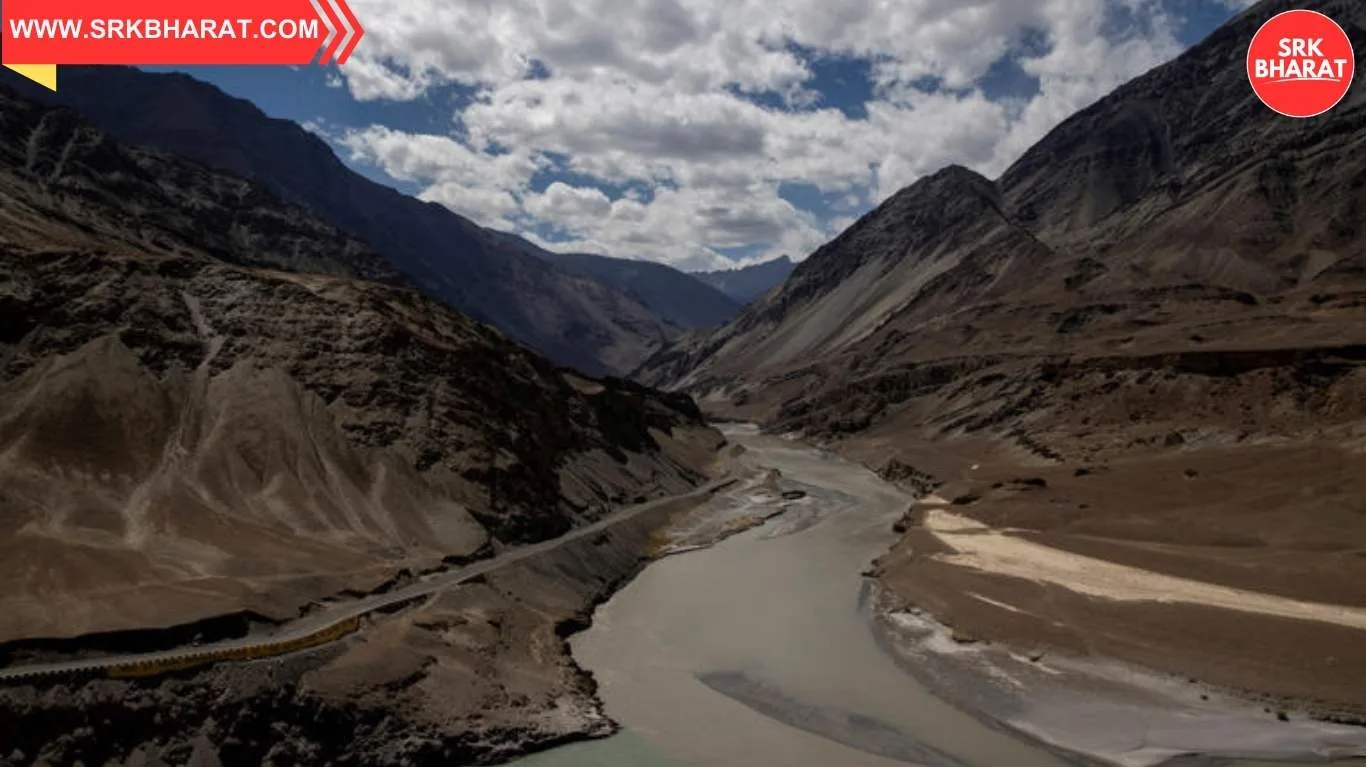
The Indus Waters Treaty was brokered by the World Bank in 1960 to resolve water-sharing disputes between India and Pakistan. It allocated:
- Eastern Rivers (Ravi, Beas, Sutlej): Exclusive use for India.
- Western Rivers (Indus, Jhelum, Chenab): Predominantly for Pakistan, with limited usage rights for India.
The treaty has survived multiple wars and political tensions, but disputes over hydroelectric projects and water usage have frequently led to arbitration.
India’s Stand
India has rejected the arbitration court’s latest order, arguing:
- Jurisdictional Issues: The arbitration court has no legal authority under the treaty framework.
- Parallel Proceedings: India recognizes only the neutral expert mechanism, not arbitration.
- National Sovereignty: Decisions impacting India’s projects cannot be dictated externally.
- Development Rights: India insists on its right to develop hydroelectric projects on western rivers within treaty limits.
Pakistan’s Position
Pakistan has welcomed the arbitration court’s involvement, claiming:
- India’s hydroelectric projects on western rivers violate treaty provisions.
- Arbitration is necessary to resolve disputes fairly.
- The court’s decision strengthens Pakistan’s case for equitable water sharing.
Comparative Analysis of India and Pakistan’s Positions
| Issue | India’s View | Pakistan’s View |
|---|---|---|
| Jurisdiction | Arbitration court illegal | Arbitration court valid |
| Hydroelectric Projects | Within treaty limits | Violates treaty provisions |
| Neutral Expert | Recognized mechanism | Insufficient for disputes |
| Sovereignty | India’s right to develop | Pakistan’s right to challenge |
Global Reactions
- World Bank: Urged both nations to resolve disputes amicably.
- International Analysts: Warned that escalating tensions could impact regional stability.
- Environmental Groups: Called for cooperative water management to address climate change challenges.
Implications for India
- Legal: India may face continued international pressure but insists on treaty interpretation.
- Political: Strengthens the government’s stance on sovereignty and national interest.
- Economic: Hydroelectric projects critical for energy security could face delays.
- Strategic: Water disputes add another layer to India-Pakistan tensions.
Historical Timeline of Indus Waters Treaty Disputes
| Year | Event | Outcome |
|---|---|---|
| 1960 | Treaty signed | Framework established |
| 2005 | Baglihar Dam dispute | Neutral expert ruled in India’s favor |
| 2010 | Kishanganga project dispute | Partial ruling for both sides |
| 2026 | Arbitration court order | India rejects as illegal |
Conclusion
The headline “India Rejects Indus Waters Treaty Order, Calls Arbitration Court’s Decision Illegal” reflects the sharp divide between India and Pakistan over water-sharing disputes. India’s rejection underscores its insistence on sovereignty and treaty interpretation, while Pakistan continues to push for arbitration.
The controversy highlights the enduring sensitivity of water issues in South Asia, where rivers are not just lifelines but also symbols of national security and regional politics.
Disclaimer
This article is intended for informational and analytical purposes only. It reflects current political and legal discussions surrounding the Indus Waters Treaty. The content does not represent official statements from the Government of India, the Government of Pakistan, the World Bank, or any arbitration authority. Readers should verify facts through authoritative sources before drawing conclusions.