


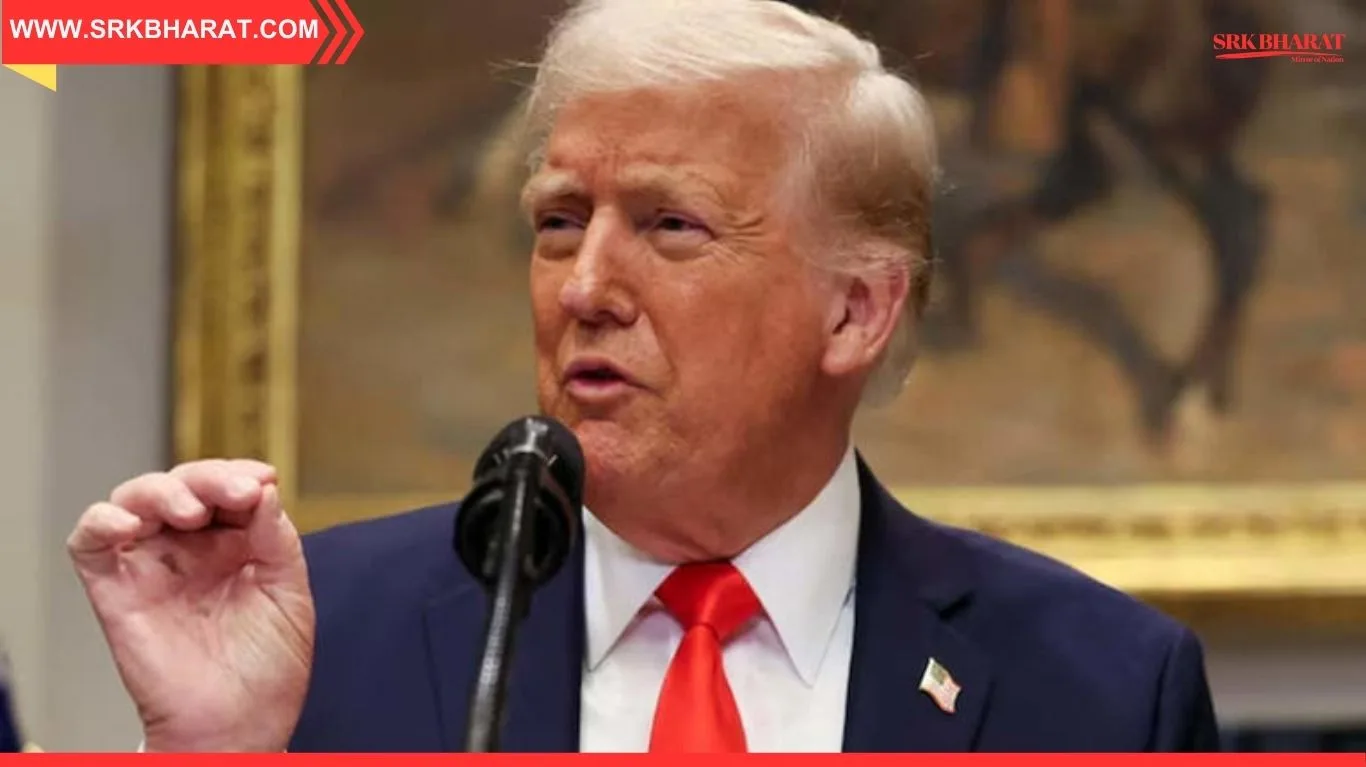
United States President Donald Trump has issued a stern warning to India over its agricultural export practices, particularly rice shipments, suggesting that the country may face fresh tariffs if it continues what he described as “dumping rice” into global markets. His remarks have sparked intense debate among trade analysts, policymakers, and agricultural stakeholders, as they highlight the growing friction between Washington and New Delhi over trade imbalances and food exports.
Key Highlights
- Trump warns India against “dumping rice” in international markets.
- Suggests fresh tariffs on agricultural imports if practices continue.
- Concerns raised over trade imbalances and impact on US farmers.
- India defends its export policies, citing global demand and WTO compliance.
- Debate intensifies over food security, trade fairness, and bilateral relations.
Background of the Tariff Warning
India is one of the world’s largest exporters of rice, accounting for nearly 40% of global shipments. Its dominance in the rice market has often been a point of contention, particularly with countries that rely on domestic production to support local farmers. Trump’s warning reflects concerns that cheap Indian rice exports could undermine US farmers, reduce competitiveness, and distort global trade.
The United States has previously imposed tariffs on steel, aluminum, and other goods from India, citing unfair trade practices. Extending such measures to agricultural imports would mark a significant escalation in trade tensions.
Statistical Overview of India’s Rice Exports
| Year | India’s Rice Exports (Million Tonnes) | Global Market Share (%) | US Rice Production (Million Tonnes) | Tariff Concerns |
|---|---|---|---|---|
| 2018 | 11.5 | 35 | 6.2 | Moderate |
| 2020 | 14.0 | 38 | 6.5 | Rising |
| 2022 | 16.5 | 40 | 6.8 | High |
| 2024 | 18.0 | 42 | 7.0 | Severe |
| 2025 | 18.5 (projected) | 43 | 7.1 | Tariff warning issued |
Impact of Trump’s Warning
| Factor | Impact on India | Impact on US Farmers | Impact on Global Trade |
|---|---|---|---|
| Tariff imposition | Reduces export competitiveness | Protects domestic market | Distorts supply chains |
| Trade relations | Strains India-US ties | Gains political support | Weakens WTO framework |
| Farmer sentiment | Creates uncertainty | Boosts confidence | Raises food price volatility |
| Long-term outlook | Encourages diversification | Reinforces protectionism | Challenges free trade norms |
Why This Warning Matters
- Global Trade Dynamics: India’s rice exports play a critical role in global food supply chains.
- Domestic Politics: Trump’s warning appeals to US farmers, a key political constituency.
- Economic Impact: Tariffs could disrupt India’s agricultural economy and affect millions of farmers.
- Diplomatic Relations: Adds strain to already complex India-US trade negotiations.
Expert Views
Trade experts argue that Trump’s warning reflects a broader trend of protectionism in global markets. While India’s rice exports are significant, they note that the country operates within WTO rules and global demand justifies its shipments. Agricultural economists caution that tariffs could raise food prices globally, hurting consumers in importing nations.
Public and Political Reactions
In India, policymakers defended the country’s export practices, emphasizing compliance with international trade norms. Farmer groups expressed concern that tariffs could reduce demand and lower incomes. In the US, agricultural lobbies welcomed Trump’s stance, arguing that it protects domestic producers from unfair competition.
Social media platforms reflected polarized views, with debates over whether tariffs would stabilize or destabilize global food markets.
Historical Context
India-US trade relations have often been marked by disputes over tariffs and market access. From steel and aluminum to medical devices and IT services, both countries have clashed over trade fairness. Agricultural imports represent a new frontier in this ongoing struggle, with rice becoming the focal point of contention.
Extended Analysis
Trump’s warning highlights broader themes in global trade:
- Protectionism vs Free Trade: Growing trend of tariffs challenges WTO principles.
- Food Security: Tariffs could disrupt supply chains and raise global food prices.
- Farmer Politics: Agricultural policies often reflect domestic political priorities.
- India’s Role: As a leading exporter, India faces pressure to balance global demand with diplomatic sensitivities.
For India, the challenge lies in defending its export practices while safeguarding farmer livelihoods. For the US, the warning reflects efforts to protect domestic producers. For the world, it underscores the fragility of global food trade.
Conclusion
President Donald Trump’s warning that “India should not be dumping rice” and his threat of fresh tariffs on agricultural imports mark a critical moment in India-US trade relations. While India defends its practices as compliant with global norms, the possibility of tariffs raises concerns about food security, trade fairness, and diplomatic ties. The outcome of this dispute will shape not only bilateral relations but also the future of global agricultural trade.
Disclaimer
This article is based on publicly available trade updates, expert commentary, and public reactions. It is intended for informational and editorial purposes only, offering insights into President Trump’s warning on India’s rice exports and its implications for global trade and agriculture.