




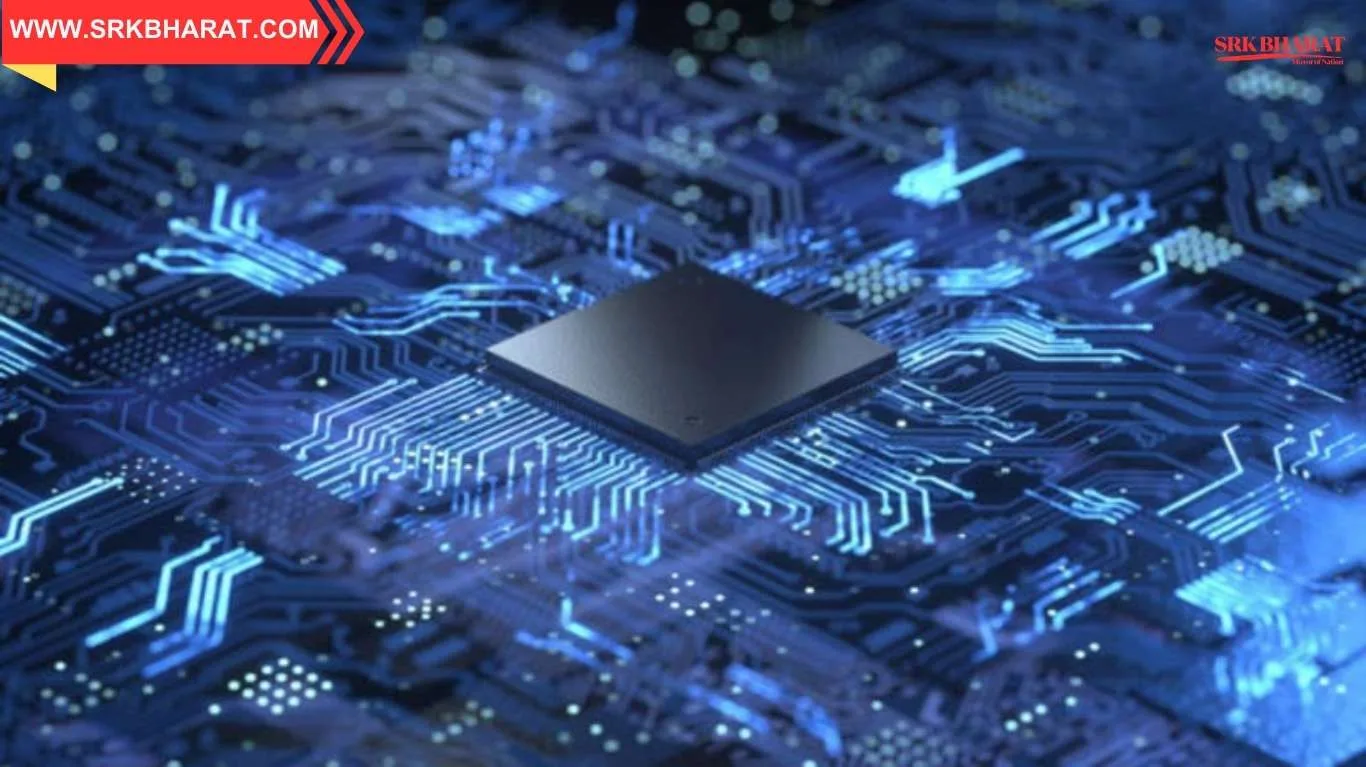
India is gearing up for a transformative leap in technology and industrial capability as New Delhi intensifies its push for semiconductor manufacturing, with the ambitious goal of not only meeting domestic demand but also becoming a global exporter of chips in the near future. This strategic move comes at a time when semiconductors have become the backbone of modern economies, powering everything from smartphones and automobiles to defense systems and artificial intelligence.
Background of India’s Semiconductor Push
- Semiconductors are critical components in the global supply chain, and their shortage during the pandemic highlighted vulnerabilities worldwide.
- India, despite being a major consumer of electronics, has historically relied heavily on imports for chips.
- Recognizing the strategic importance of self-reliance in semiconductors, the Indian government launched the Semicon India Programme, backed by billions in incentives.
- The initiative aims to attract global chipmakers, build domestic capacity, and position India as a hub for semiconductor design and manufacturing.
Key Highlights of India’s Semiconductor Strategy
| Indicator | Details |
|---|---|
| Initiative | Semicon India Programme |
| Investment | Multi-billion dollar incentives |
| Goal | Domestic manufacturing and global exports |
| Partners | Global chipmakers, Indian startups, research institutions |
| Broader Impact | Reduced import dependency, enhanced strategic autonomy |
Current Scenario vs Future Vision
| Factor | Current Scenario | Future Vision | Implication |
|---|---|---|---|
| Chip Production | Minimal, import-dependent | Large-scale domestic manufacturing | Reduced reliance on imports |
| Export Potential | Negligible | Significant global exports | Boost to trade balance |
| Technology Ecosystem | Nascent | Robust, innovation-driven | Strengthened R&D |
| Strategic Autonomy | Limited | Enhanced | Greater geopolitical leverage |
Why Semiconductor Manufacturing Matters
- Economic Growth: Chips are essential for industries ranging from consumer electronics to defense, making them a driver of GDP growth.
- National Security: Self-reliance in semiconductors reduces vulnerability to global supply chain disruptions.
- Global Competitiveness: Exporting chips positions India as a key player in the global technology race.
- Innovation Ecosystem: Encourages startups, research institutions, and universities to contribute to chip design and development.
India’s Roadmap for Semiconductor Manufacturing
| Attribute | Details |
|---|---|
| Policy Support | Incentives under Semicon India Programme |
| Infrastructure | Establishment of fabrication units and design centers |
| Talent Development | Training engineers and researchers in chip design |
| Global Partnerships | Collaboration with leading chipmakers |
| Long-Term Outlook | Export-oriented semiconductor ecosystem |
India’s roadmap emphasizes building a comprehensive ecosystem that spans design, fabrication, testing, and packaging.
Expert Opinions
- Economists: Stress that semiconductor manufacturing could add billions to India’s GDP.
- Technology Analysts: Highlight the importance of global partnerships in achieving scale.
- Industry Leaders: Emphasize the need for skilled talent and advanced infrastructure.
- Policy Makers: Reiterate that semiconductors are central to India’s vision of self-reliance.
Challenges Ahead
- High Capital Costs: Semiconductor fabs require billions in investment.
- Technology Complexity: Advanced chip manufacturing demands cutting-edge expertise.
- Global Competition: India must compete with established players like Taiwan, South Korea, and the US.
- Supply Chain Integration: Ensuring raw materials and components are available domestically.
Opportunities for India
- Export Growth: Positioning India as a global supplier of semiconductors.
- Job Creation: Generating employment across design, manufacturing, and testing.
- Innovation Leadership: Encouraging startups to innovate in chip design.
- Strategic Partnerships: Collaborating with allies to strengthen global supply chains.
Broader Context of Global Semiconductor Industry
- The global semiconductor market is projected to reach trillions in value over the next decade.
- Countries worldwide are investing heavily to secure their place in the supply chain.
- India’s entry into semiconductor manufacturing reflects a broader trend of diversification away from traditional hubs.
- The move aligns with global efforts to reduce dependency on a few countries for critical technology.
Public Sentiment
- Citizens view semiconductor manufacturing as a symbol of India’s technological rise.
- Industry stakeholders express optimism about the potential for exports.
- Critics caution about the challenges of competing with established global players.
- Overall sentiment reflects excitement about India’s future as a chip powerhouse.
Conclusion
India’s push for semiconductor manufacturing and potential exports marks a historic moment in the nation’s technological journey. By building a robust ecosystem, attracting global partners, and investing in talent, New Delhi aims to transform India from a chip importer to a chip exporter. While challenges remain, the opportunities are immense. If successful, India’s semiconductor strategy will not only strengthen its economy but also enhance its global standing in technology and geopolitics.
Disclaimer
This article is intended for informational purposes only and does not constitute financial or policy advice. Semiconductor strategies, government initiatives, and industry developments are subject to change based on evolving circumstances. Readers are encouraged to follow official updates for accurate information. The author and publisher are not responsible for any decisions made based on this article.