


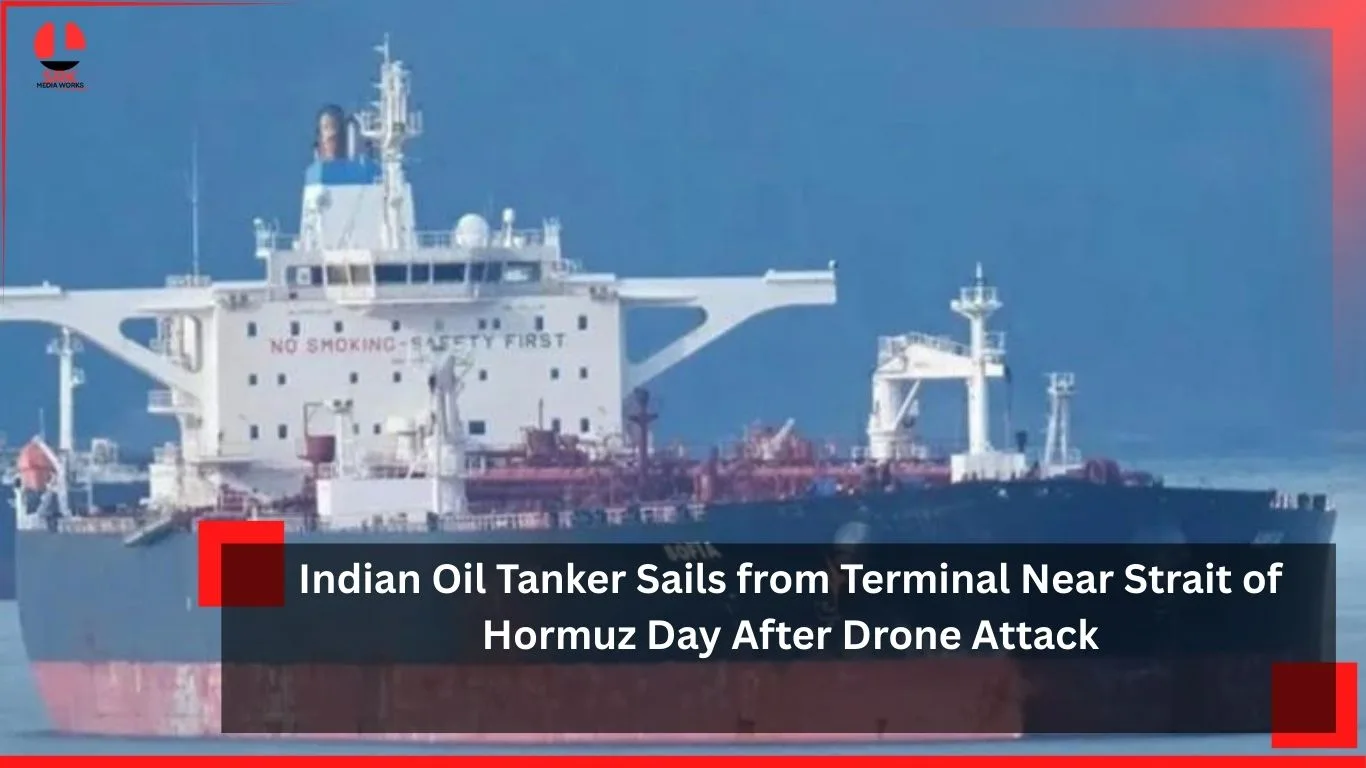
An Indian oil tanker has successfully sailed from a terminal near the Strait of Hormuz just a day after a drone attack in the region, signaling resilience in the face of mounting maritime threats. The incident underscores the vulnerability of global energy routes and the strategic importance of the Strait of Hormuz, one of the world’s most critical chokepoints for oil transportation.
Background of the Drone Attack
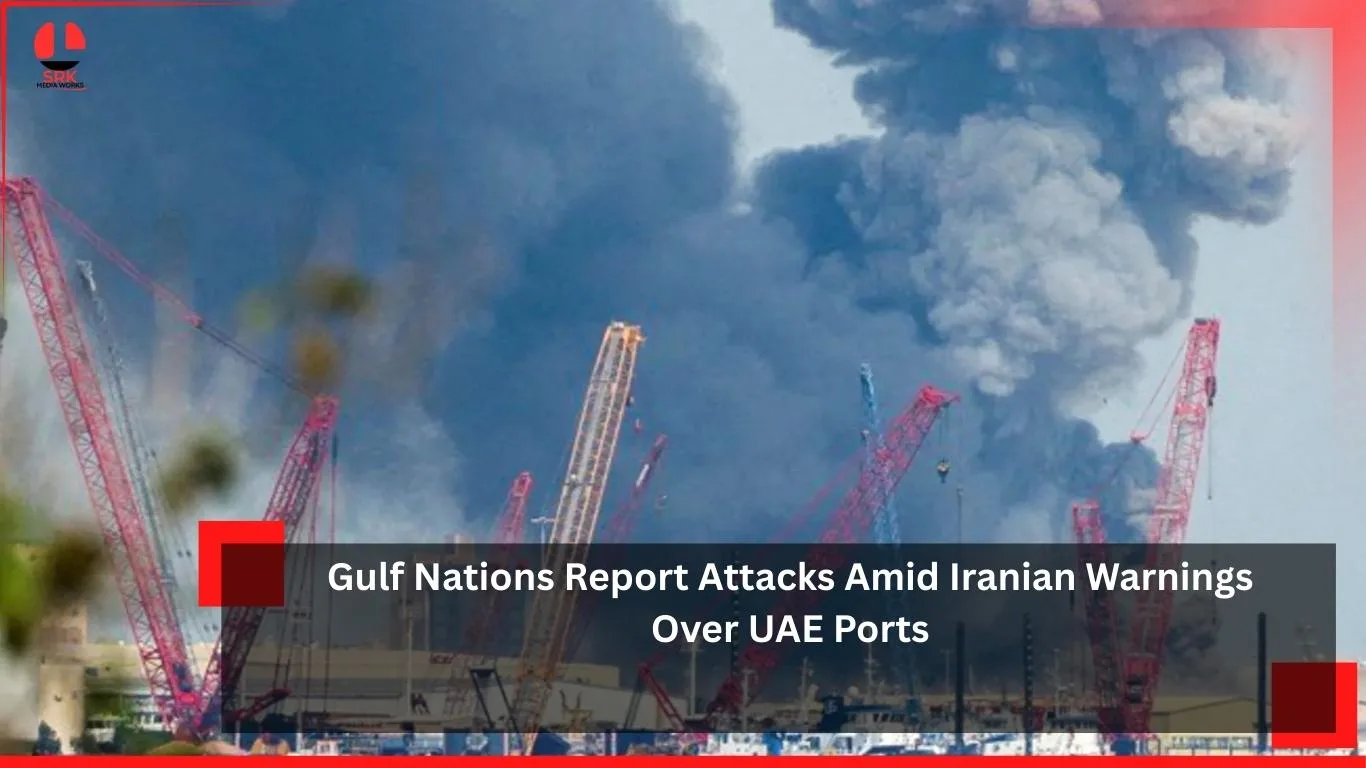
The Strait of Hormuz has long been a hotspot for geopolitical tensions. The recent drone strike targeted infrastructure near the terminal, raising concerns about the safety of vessels operating in the area.
- Nature of Attack: The drone strike damaged parts of the terminal but did not halt operations entirely.
- Immediate Impact: Security was tightened, and shipping schedules were briefly disrupted.
- Global Concern: Energy markets reacted with volatility, fearing potential escalation.
The Indian Tanker’s Voyage
Despite the attack, the Indian oil tanker sailed from the terminal, demonstrating confidence in security measures and the importance of maintaining uninterrupted energy flows.
Key highlights:
- Departure Timing: The tanker sailed within 24 hours of the attack.
- Security Protocols: Enhanced naval escorts and surveillance ensured safe passage.
- Symbolic Significance: The voyage reflects India’s determination to safeguard its energy interests.
Strategic Importance of the Strait of Hormuz
The Strait of Hormuz is a narrow waterway connecting the Persian Gulf with the Arabian Sea. It is vital for global energy supplies, with nearly one-fifth of the world’s oil passing through it.
| Factor | Importance | Impact on India |
|---|---|---|
| Oil Transit | 20% of global oil trade | India relies heavily on Gulf oil imports |
| Geopolitical Hotspot | Frequent tensions between Iran and US | India must balance diplomacy and trade |
| Maritime Security | Vulnerable to attacks and blockades | Indian Navy plays a role in safeguarding |
This overview highlights why India closely monitors developments in the region.
India’s Response
India has taken several steps to ensure the safety of its vessels:
- Naval Deployment: Indian warships patrol key maritime routes.
- Diplomatic Engagement: India maintains dialogue with regional powers to reduce tensions.
- Energy Diversification: Efforts to diversify energy imports reduce dependence on any single route.
Global Reactions
The incident has drawn international attention:
- United States: Condemned the attack and pledged support for maritime security.
- European Union: Called for restraint and emphasized the need for safe shipping lanes.
- Middle Eastern States: Expressed concern about escalating tensions affecting trade.
Historical Parallels
The Strait of Hormuz has witnessed similar incidents in the past:
| Year | Incident | Outcome |
|---|---|---|
| 2019 | Tanker attacks blamed on Iran | Heightened US-Iran tensions |
| 2021 | Drone strike on oil facilities | Temporary disruption in oil supply |
| 2024 | Naval skirmishes in Gulf waters | Increased military presence |
| 2026 | Drone attack near terminal | Indian tanker sails despite threat |
This comparison shows a recurring pattern of attacks and resilience in the region.
Economic Implications
The safe passage of the Indian tanker has several economic implications:
- Energy Security: Ensures continued supply of oil to India.
- Market Stability: Helps calm fears of prolonged disruption.
- Trade Confidence: Reinforces trust in maritime security measures.
Public Sentiment
Public opinion in India reflects relief that the tanker sailed safely, but concerns remain about future risks. Social media discussions highlight the need for stronger security and diplomatic efforts to prevent further incidents.
Future Outlook
The situation remains fluid, with several possible scenarios:
| Scenario | Description | Potential Impact |
|---|---|---|
| Escalation | More attacks on shipping routes | Disruption of global energy supplies |
| Diplomatic Resolution | Regional powers agree to reduce tensions | Improved maritime security |
| Continued Vigilance | Ongoing security measures without resolution | High costs, but stable energy flows |
India’s strategy will likely involve a mix of diplomacy, security, and diversification to safeguard its interests.
Conclusion
The sailing of an Indian oil tanker from a terminal near the Strait of Hormuz just a day after a drone attack highlights both the risks and resilience of global energy trade. For India, the incident underscores the importance of maritime security, diplomatic engagement, and energy diversification in navigating an increasingly volatile geopolitical landscape.
Disclaimer
This article is based on analytical perspectives and available information. It does not confirm or deny confidential military or shipping details and should not be interpreted as official government policy. Readers are encouraged to follow verified government statements for authoritative updates.