



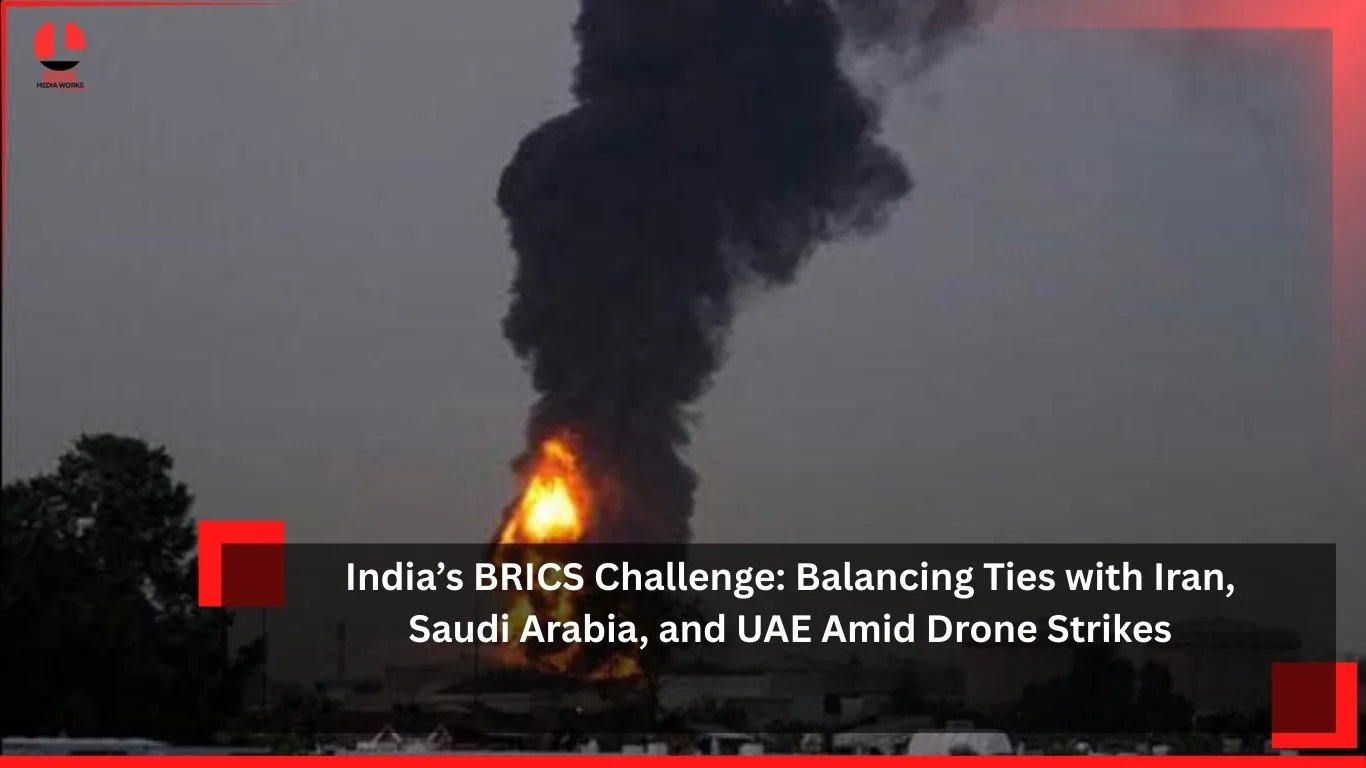
India’s position within BRICS is becoming more complex as it navigates relationships with key Middle Eastern partners while regional tensions escalate due to drone strikes. New Delhi’s foreign policy is being tested as it seeks to maintain strong ties with Tehran, Riyadh, and Abu Dhabi, all while balancing its commitments to the BRICS framework and global stability.
Background
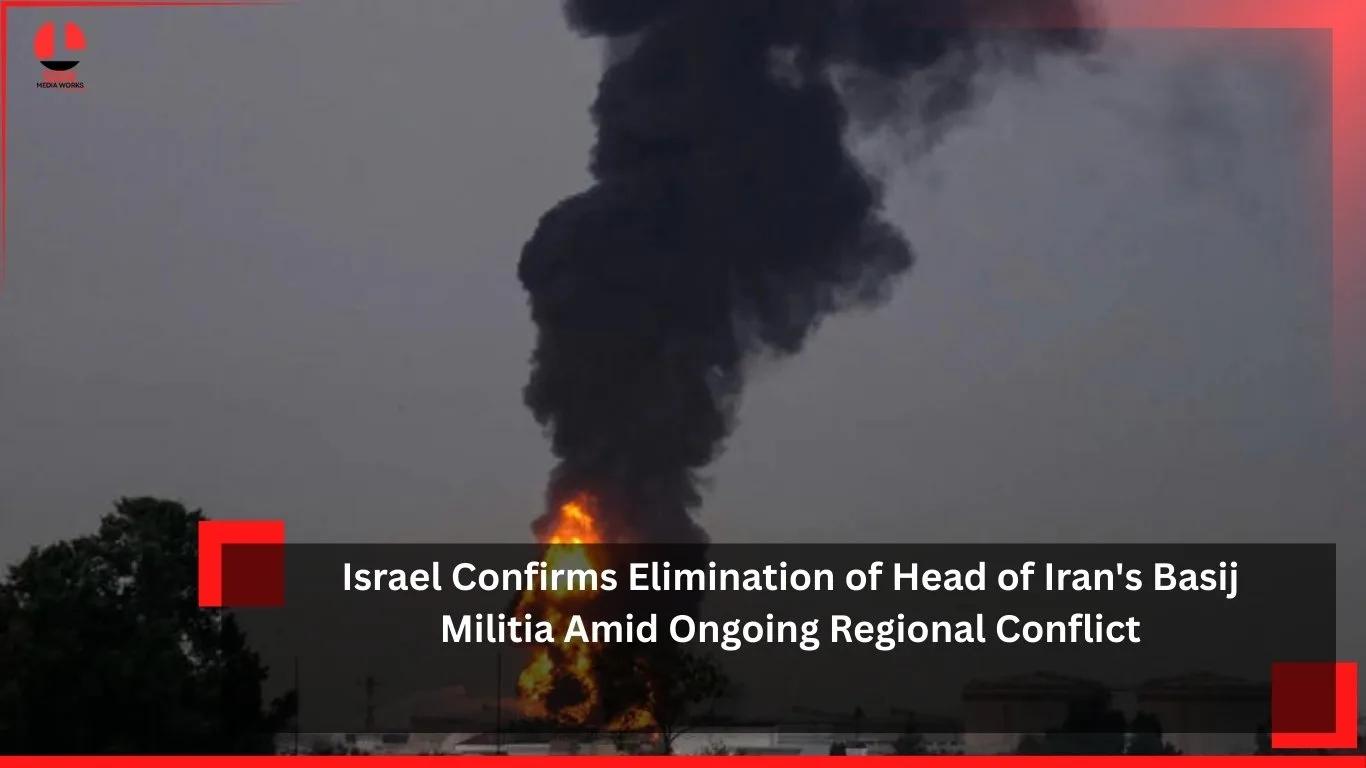
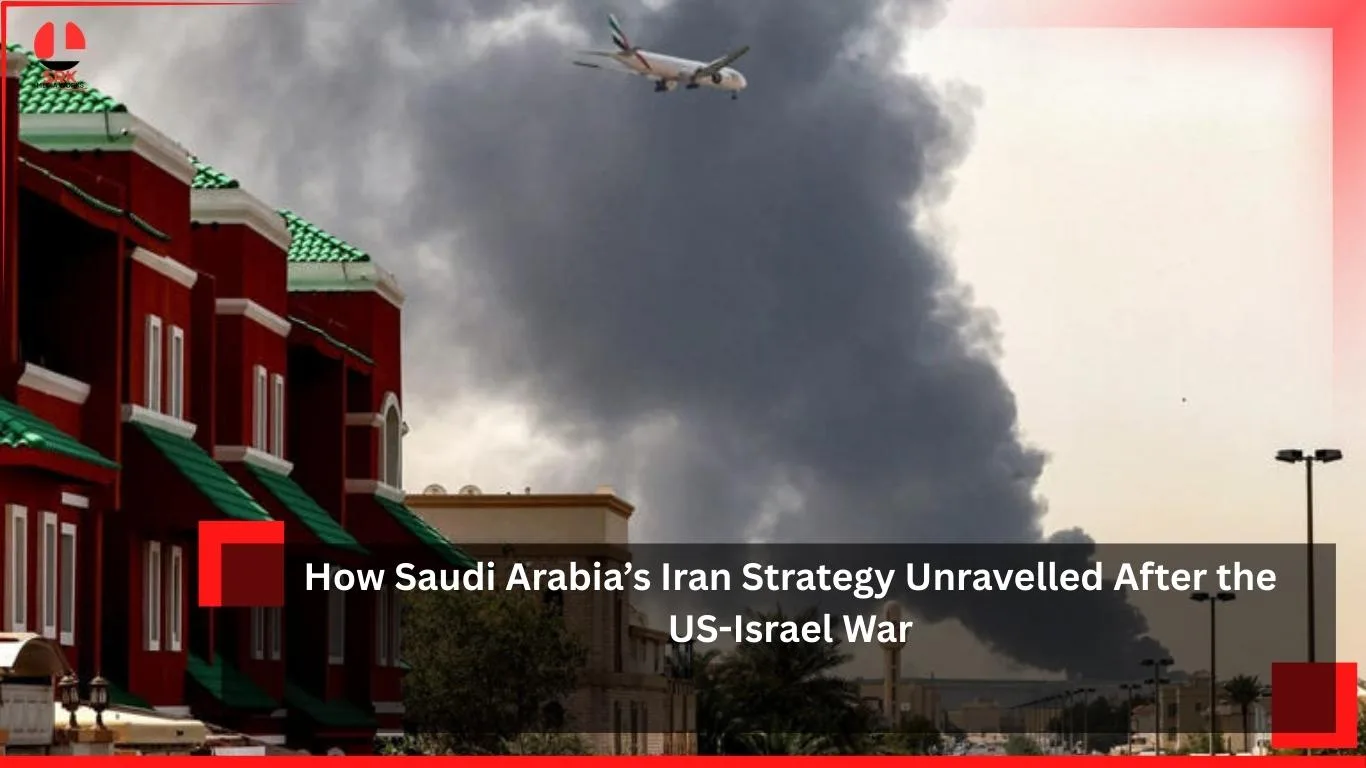
The Middle East has seen a surge in drone-related attacks on infrastructure and strategic assets, creating instability that directly affects India’s energy security and trade routes. Each of the three nations—Iran, Saudi Arabia, and the UAE—plays a critical role in India’s economic and strategic calculus.
- Iran: A vital partner for connectivity projects like the Chabahar Port and a source of crude oil.
- Saudi Arabia: One of India’s largest energy suppliers and a growing investor in infrastructure.
- UAE: A close ally in trade, technology, and diaspora relations, with strong defense cooperation.
Why This Matters
India’s challenge lies in balancing these relationships without alienating any partner, especially as drone strikes heighten tensions in the region. The country must ensure energy security, protect its diaspora, and maintain diplomatic neutrality while strengthening its BRICS commitments.
Key Highlights
| Aspect | Details |
|---|---|
| Issue | Rising drone strikes in Middle East |
| Partners | Iran, Saudi Arabia, UAE |
| India’s Role | Balancing diplomacy and BRICS commitments |
| Impact | Energy security, diaspora safety, regional stability |
| Strategic Goal | Maintain neutrality while deepening ties |
Comparative Analysis of India’s Middle East Engagement
| Country | Strategic Importance | Current Challenge | India’s Approach |
|---|---|---|---|
| Iran | Energy, connectivity | Sanctions, instability | Continued engagement via Chabahar |
| Saudi Arabia | Oil supply, investment | Regional tensions | Strengthening defense and trade |
| UAE | Trade, diaspora, tech | Security risks | Expanding cooperation in innovation |
| BRICS | Global alliance | Balancing diverse partners | Promoting multipolar diplomacy |
Public and Policy Reactions
- Supporters of Neutrality: Applaud India’s careful balancing act, seeing it as essential for long-term stability.
- Critics: Argue that India risks being too cautious and may lose leverage in shaping regional outcomes.
- Neutral Analysts: Emphasize the importance of energy diversification and stronger BRICS coordination.
Stakeholder Breakdown
| Stakeholder | Position | Impact |
|---|---|---|
| Indian Government | Pursues balanced diplomacy | Protects energy and diaspora interests |
| Iran | Seeks deeper ties | Gains connectivity support |
| Saudi Arabia | Expands investment | Strengthens bilateral trade |
| UAE | Enhances cooperation | Builds tech and defense links |
| BRICS Partners | Observe India’s moves | Influence global multipolarity |
Broader Impact
India’s balancing act in the Middle East has implications for global energy markets, BRICS cohesion, and regional security. By maintaining strong ties with all three nations, New Delhi positions itself as a stabilizing force while reinforcing its role as a bridge between Asia and the Middle East.
Conclusion
India’s diplomatic challenge lies in managing relationships with Iran, Saudi Arabia, and the UAE amid rising drone strikes and regional instability. Its success will depend on maintaining neutrality, safeguarding energy security, and leveraging BRICS as a platform for multipolar cooperation. The outcome of this balancing act will shape India’s global standing in the years ahead.
Disclaimer
This article is intended for informational purposes only and does not constitute political or strategic advice. The content is based on publicly available information and analysis at the time of writing. Readers are encouraged to consider multiple perspectives before forming conclusions on sensitive geopolitical issues.