




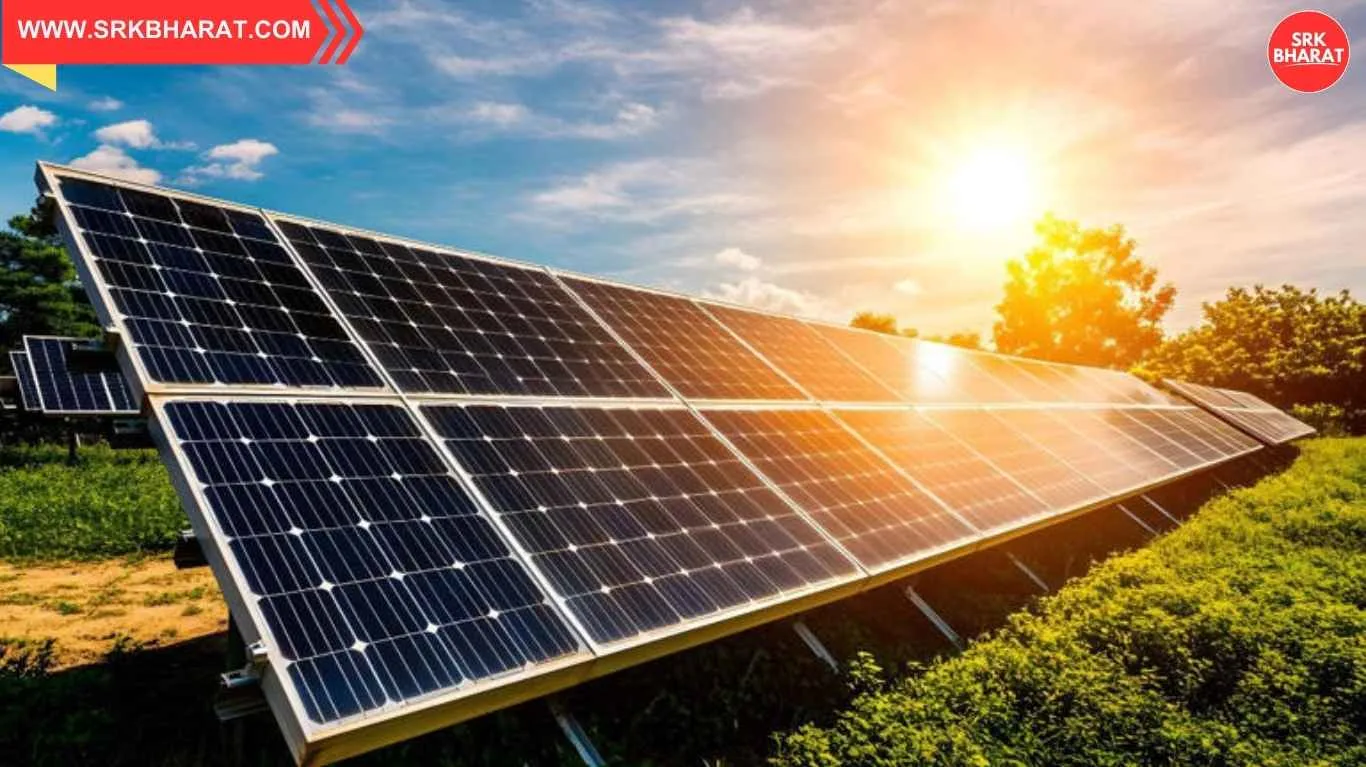
India’s energy sector has achieved a historic milestone in FY26, with a record 52.5 GW of renewable energy capacity added, marking a decisive tilt in the country’s power mix towards green energy. This achievement underscores India’s commitment to sustainable development, climate goals, and energy security, while also positioning the nation as a global leader in renewable energy adoption.
Key Highlights
- Record Addition: 52.5 GW of renewable energy capacity added in FY26.
- Green Tilt: Renewable share in India’s power mix rises significantly.
- Government Push: Strong policy support underlines India’s climate commitments.
- Global Leadership: India emerges as a top renewable energy market.
- Future Outlook: Expansion linked to solar, wind, hydro, and green hydrogen.
Why This Achievement Matters
- Climate Goals: Supports India’s pledge to achieve net-zero emissions by 2070.
- Energy Security: Reduces dependence on fossil fuels and imports.
- Economic Growth: Creates jobs and boosts green industries.
- Global Standing: Enhances India’s reputation as a renewable energy hub.
Comparative Analysis: Renewable Energy Growth in India
| Fiscal Year | Renewable Capacity Added (GW) | Key Drivers | Impact |
|---|---|---|---|
| FY23 | 15.2 | Solar push | Moderate growth |
| FY24 | 22.8 | Wind + Solar | Strong momentum |
| FY25 | 35.6 | Hybrid projects | Accelerated expansion |
| FY26 | 52.5 | Solar, wind, hydro, green hydrogen | Record achievement |
This comparison shows India’s renewable energy growth trajectory, culminating in FY26’s record addition.
Pivot Analysis: Stakeholder Perspectives
| Stakeholder | Position on Record Addition | Impact |
|---|---|---|
| Government | Positive | Reinforces climate commitments |
| Industry Leaders | Supportive | Opportunities for investment |
| Communities | Encouraged | Local job creation and cleaner energy |
| Environmentalists | Optimistic | Significant step towards sustainability |
| Analysts | Watchful | Assessing long-term integration challenges |
The pivot analysis highlights widespread optimism, with stakeholders recognizing both economic and environmental benefits.
Benefits of Renewable Energy Expansion
- Job Creation: Employment in solar, wind, and green hydrogen sectors.
- Economic Diversification: Growth of green industries and startups.
- Environmental Protection: Reduced carbon footprint and pollution.
- Energy Access: Improved electrification in rural and remote areas.
Challenges Ahead
- Grid Integration: Managing variability of renewable sources.
- Storage Solutions: Need for advanced battery and hydrogen storage.
- Policy Execution: Ensuring timely implementation of projects.
- Land Use: Balancing renewable projects with ecological concerns.
Broader Context
- Global Energy Transition: Nations shifting towards renewables post-COP commitments.
- India’s Strategy: Leveraging solar, wind, hydro, and green hydrogen.
- Economic Impact: Renewable energy driving industrial growth and exports.
- Future Outlook: India aiming for 500 GW renewable capacity by 2030.
Conclusion
India’s record 52.5 GW renewable energy addition in FY26 marks a turning point in the nation’s power mix, tilting decisively towards green energy. With strong government support, industry participation, and global recognition, India is on track to become a renewable energy powerhouse. While challenges in grid integration and storage remain, the achievement reflects India’s commitment to sustainability, energy security, and climate leadership.
Disclaimer
This article is intended for informational purposes only. It provides an overview of India’s renewable energy achievement in FY26 and its implications for the power sector. It does not constitute financial, political, or investment advice. Readers should rely on official government communications for verified updates.