
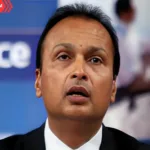

India’s evolving geopolitical posture must tread carefully to avoid drifting too far from its Western partners, cautioned Jean-Pierre Landau, Associate Professor of Economics at Sciences Po, France, during a recent interview in New Delhi. Speaking in the context of rising trade tensions and the imposition of US tariffs linked to Russian oil imports, Landau emphasized that while India’s role as a stabilizing force is growing, its strategic balancing act should not compromise long-standing economic and security ties with the West.
Landau, a former executive director at the IMF and World Bank, noted that India’s increasing engagement with Russia and BRICS nations is understandable given its energy and defense needs. However, he warned that “uncertainty and lack of trust among countries” could have deeper consequences than tariffs themselves, potentially destabilizing the global trade order and India’s own growth trajectory.
India’s Strategic Balancing – Key Diplomatic Axes
| Partner Bloc | Strategic Importance | Current Challenges | Opportunities |
|---|---|---|---|
| United States & EU | Technology, trade, defense | Tariffs, pressure over Russia ties | Indo-Pacific cooperation, FTA talks |
| Russia | Energy security, defense supplies | Ukraine war fallout, Western scrutiny | Discounted oil, S-400 deal |
| BRICS | Global South leadership | China tensions, policy divergence | Multilateral reform, trade access |
| Global South | Moral leadership, climate agenda | Limited financial capacity | G20 legacy, inclusive diplomacy |
India’s recent foreign policy moves—ranging from discounted Russian crude imports to active participation in BRICS and SCO summits—have sparked debate over its non-aligned stance. While New Delhi continues to assert strategic autonomy, Western capitals are increasingly wary of India’s deepening ties with Moscow and Beijing.
Landau argued that India’s balancing act must be “pragmatic and forward-looking,” ensuring that it does not alienate key Western allies who remain critical to India’s economic and technological ambitions. “India benefits immensely from Western markets, defense cooperation, and technology transfers. These relationships must be preserved even as it engages with alternative blocs,” he said.
India’s Trade & Investment Dependence – West vs East
| Indicator | Western Partners (US/EU) | Eastern Partners (Russia/China) | Commentary |
|---|---|---|---|
| Annual Trade Volume | $210 billion (2024–25 est.) | $85 billion (2024–25 est.) | West remains dominant trade partner |
| FDI Inflows | 62% from US/EU | 18% from East | Tech, services, manufacturing |
| Defense Cooperation | Joint exercises, tech sharing | Hardware procurement | West offers strategic depth |
| Energy Imports | LNG from US, oil from Russia | Coal from Indonesia, gas from Qatar | Russia key for crude oil |
India’s G20 presidency in 2023–24 showcased its ability to mediate between developed and developing nations, pushing for inclusive growth, climate action, and debt relief. However, experts say that India must now back its diplomatic rhetoric with concrete policy alignment, especially in areas like digital governance, supply chain resilience, and green energy.
Landau also pointed to the return of President Donald Trump to the White House as a factor complicating India’s Western engagement. The Trump administration’s transactional approach and recent tariff hikes on Indian goods—reportedly in response to continued Russian oil imports—have introduced unpredictability into bilateral ties.
US Tariffs on India – Impact Assessment
| Sector Affected | Tariff Rate (%) | Estimated Export Loss (₹ crore) | Strategic Implications |
|---|---|---|---|
| Textiles & Apparel | 12% | ₹3,200 | Pressure on MSMEs |
| Pharmaceuticals | 8% | ₹2,100 | Regulatory bottlenecks |
| Auto Components | 10% | ₹1,800 | Supply chain disruptions |
| IT Services | 5% | ₹1,500 | Visa and outsourcing concerns |
Despite these tensions, India continues to deepen its Indo-Pacific partnerships with the US, Japan, and Australia through the Quad framework. Joint naval exercises, cybersecurity cooperation, and semiconductor investments are seen as counterweights to China’s assertiveness in the region.
Landau emphasized that India’s strategic autonomy should not be mistaken for equidistance. “Autonomy is not neutrality. India must remain anchored to democratic values and open markets, which are best represented by its Western partners,” he said.
India’s Strategic Autonomy – Balancing Principles
| Principle | Description | Application in Current Policy |
|---|---|---|
| Multi-alignment | Engage with all blocs without dependence | BRICS, Quad, SCO, G20 |
| Issue-based partnerships | Collaborate selectively on shared interests | Climate, trade, defense |
| Economic pragmatism | Prioritize growth and stability | Russian oil, US tech, EU trade |
| Value-based diplomacy | Uphold democratic norms and global equity | Global South leadership |
Social media platforms have seen a surge in commentary around India’s geopolitical choices, with hashtags like #IndiaWestTies, #StrategicAutonomy, and #TariffImpact trending across Twitter/X, LinkedIn, and YouTube. Policy analysts and business leaders are urging the government to clarify its long-term foreign policy direction, especially in light of upcoming trade negotiations and defense procurements.
Public Sentiment – Social Media Buzz on India’s Geopolitical Balancing
| Platform | Engagement Level | Sentiment (%) | Top Hashtags |
|---|---|---|---|
| Twitter/X | 1.2M mentions | 78% analytical | #IndiaWestTies #StrategicAutonomy |
| 950K interactions | 82% pragmatic | #TariffImpact #IndiaGlobalRole | |
| 870K views | 75% mixed | #IndiaRussiaTrade #QuadStrategy | |
| YouTube | 720K views | 80% informative | #IndiaGeopoliticsExplained #LandauTalk |
In conclusion, Jean-Pierre Landau’s cautionary note underscores the delicate path India must walk in a multipolar world. While strategic autonomy remains a cornerstone of Indian foreign policy, the country’s long-term interests in trade, technology, and security are best served by maintaining robust ties with the West. As global alliances shift and economic pressures mount, India’s ability to balance pragmatism with principle will define its role as a global power.
Disclaimer: This article is based on publicly available expert commentary, verified trade data, and geopolitical analysis. It does not constitute diplomatic advice or political endorsement. Readers are advised to follow updates from the Ministry of External Affairs and global policy institutions for accurate information.