
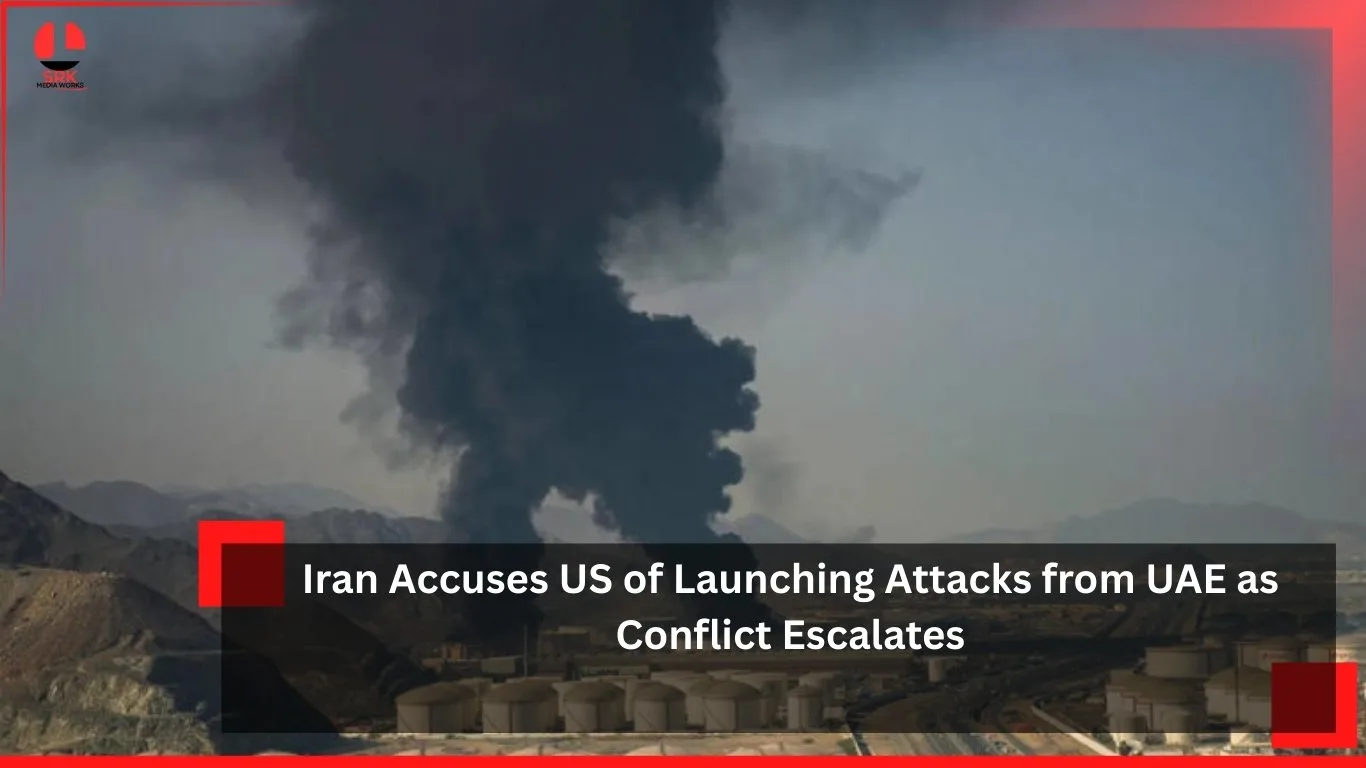
The escalating conflict in the Middle East has taken a new turn as Iran accused the United States of launching military attacks from bases in the United Arab Emirates (UAE). This allegation has intensified regional tensions, raising concerns about the involvement of Gulf states in the conflict and the potential for broader instability across the region.
Iran’s Allegation
Iranian officials claim that US forces stationed in the UAE have been directly involved in strikes against Iranian targets.
- Military Bases: The US maintains strategic bases in the UAE, including air and naval facilities.
- Direct Involvement: Iran alleges these bases were used to launch attacks during the ongoing conflict.
- Diplomatic Warning: Tehran has warned that countries hosting US forces could be considered complicit.
US and UAE Response
While the US has not confirmed the specifics of Iran’s claim, American officials insist that military operations are aimed at protecting regional stability. The UAE, meanwhile, has sought to distance itself from direct involvement, emphasizing its role as a diplomatic and economic hub.
- US Position: Operations are defensive, targeting threats to allies and global trade routes.
- UAE Position: Denies active participation, stresses neutrality and commitment to peace.
- Regional Diplomacy: UAE officials have called for de-escalation and dialogue.
Comparative Analysis of Stakeholder Positions
| Stakeholder | Position on Allegations | Key Concerns |
|---|---|---|
| Iran | US attacks launched from UAE bases | Sovereignty, regional security |
| United States | Defensive operations, no confirmation of UAE base use | Protect allies, deter threats |
| UAE | Denies direct involvement, calls for peace | Economic stability, neutrality |
| Gulf States | Concerned about spillover conflict | Regional security, oil exports |
| International Community | Calls for restraint and diplomacy | Prevent escalation, protect trade |
Historical Context
The US presence in the Gulf has long been a source of tension with Iran.
- Post-1979: Iran’s revolution marked the beginning of hostility toward US military presence in the region.
- Gulf Wars: US bases in the UAE and other Gulf states played key roles in operations.
- Recent Years: Iran has repeatedly warned Gulf states against hosting US forces.
Pivot Analysis of Strategic Approaches
| Strategy Focus | Iran’s Approach | US/UAE Approach |
|---|---|---|
| Military Power | Highlight US base involvement | Emphasize defensive operations |
| Diplomacy | Warn Gulf states of complicity | Stress neutrality and dialogue |
| Security | Position as victim of aggression | Present as protector of allies |
| Economic Impact | Threaten regional trade routes | Maintain stability for global markets |
Regional Security Implications
The accusation has heightened fears of conflict spreading beyond Iran and the US.
- Gulf States: Risk being drawn into direct confrontation.
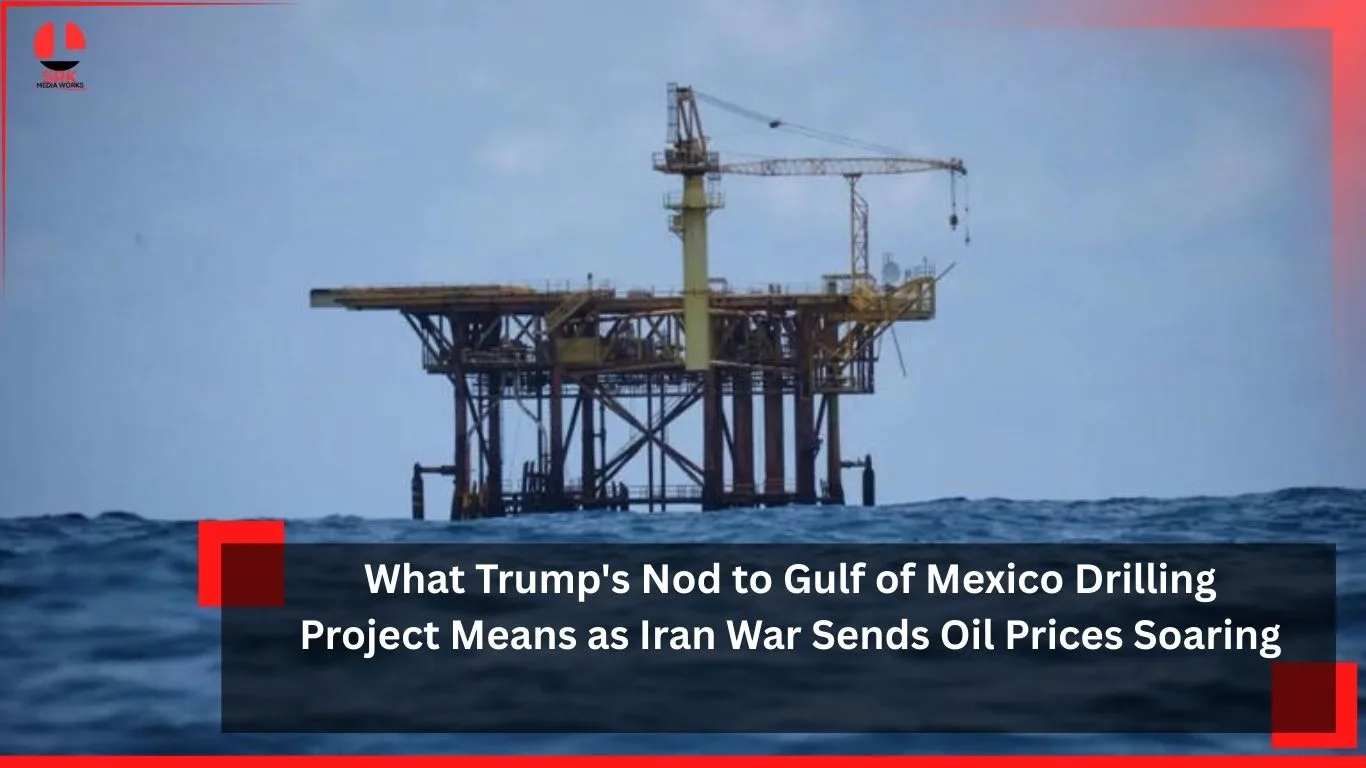
- Oil Trade: Strait of Hormuz and Gulf shipping lanes face increased vulnerability.
- Military Escalation: Potential for retaliatory strikes against US bases in the region.
Global Economic Concerns
The conflict has immediate implications for global markets.
- Oil Prices: Rising tensions push crude oil prices upward.
- Shipping Costs: Insurance premiums for vessels in the Gulf increase.
- Investor Anxiety: Stock markets react negatively to geopolitical instability.
Public and Media Reaction
Citizens across the region express concern about the possibility of war expanding.
- Iranian Public: Rallying behind government claims of foreign aggression.
- UAE Citizens: Worry about economic fallout and security risks.
- Global Media: Highlighting the risk of escalation into a wider regional war.
Conclusion
Iran’s accusation that the US launched attacks from UAE bases underscores the fragile balance of power in the Middle East. While the US insists its operations are defensive and the UAE denies direct involvement, the allegation raises the stakes for Gulf states caught between global powers.
The situation highlights the interconnectedness of military strategy, diplomacy, and economic stability. As tensions rise, the international community faces the urgent task of preventing escalation and preserving peace in one of the world’s most strategically vital regions.
Disclaimer
This article is based on publicly available information and statements from political stakeholders. It does not confirm the accuracy of military claims or endorse any position. Readers are encouraged to follow official government updates and independent reporting for verified details.