

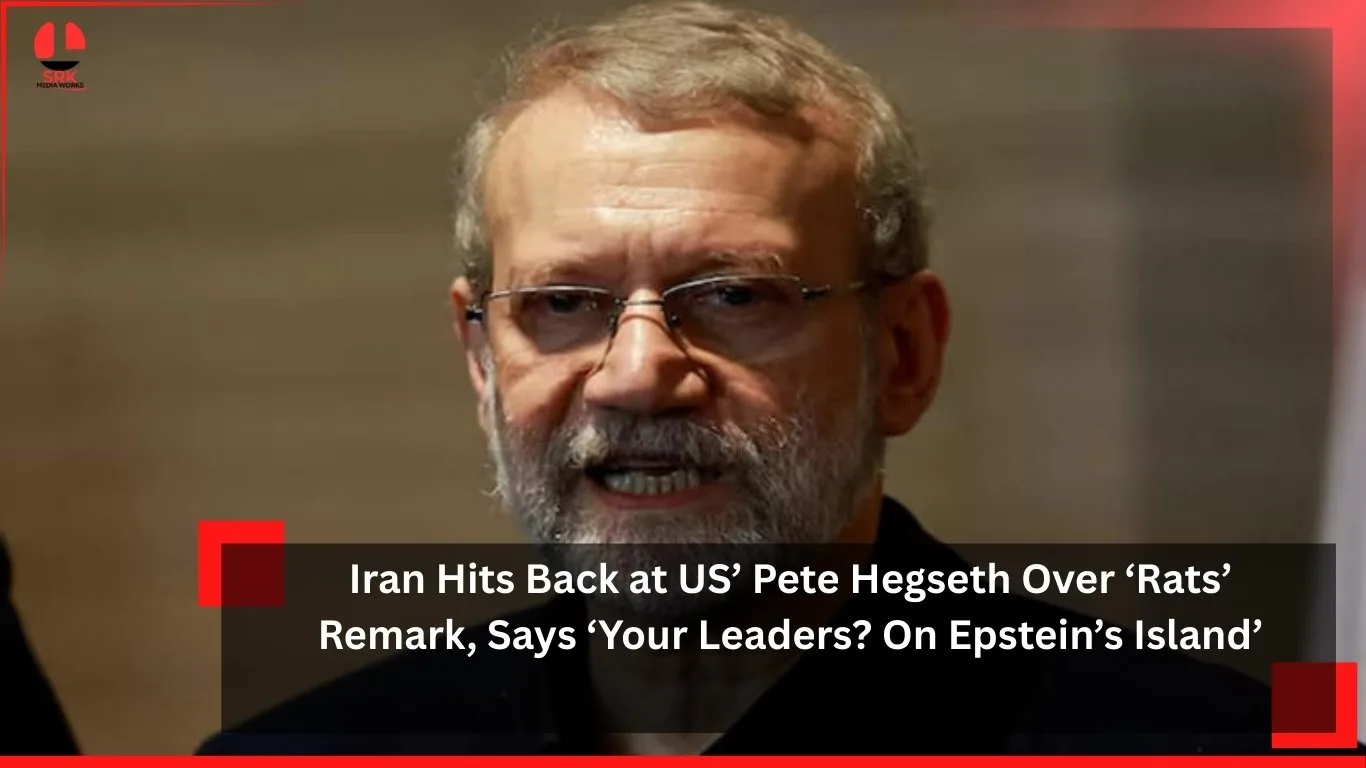
A sharp war of words has erupted between Iran and the United States after Fox News host Pete Hegseth referred to Iranians as “rats.” In response, Iranian officials fired back with a scathing remark, claiming, “Your leaders? On Epstein’s island.” The exchange has quickly escalated into a diplomatic and media storm, intertwining geopolitics with controversial references to Jeffrey Epstein’s scandal.
Background of the Controversy
Pete Hegseth, a prominent conservative commentator, made the inflammatory “rats” remark during a televised discussion on U.S.-Iran tensions. His statement was widely criticized as derogatory and dehumanizing. Iran’s counter-response, invoking Epstein’s island, was intended to highlight alleged hypocrisy and corruption among Western elites.
Iran’s Response
Iranian officials condemned Hegseth’s comments, framing them as an insult to the Iranian people. Their counterattack focused on:
- Deflection of Insults: Turning the spotlight on U.S. leadership controversies.
- Symbolic Reference: Epstein’s island has become a global symbol of scandal and elite misconduct.
- Political Messaging: Iran sought to portray U.S. leaders as morally compromised.
- National Pride: Emphasizing resilience against external insults.
Comparative Analysis of Statements
| Aspect | Pete Hegseth’s Remark | Iran’s Counter-Response |
|---|---|---|
| Tone | Derogatory, inflammatory | Defiant, accusatory |
| Target | Iranian people | U.S. leaders |
| Symbolism | “Rats” as insult | Epstein’s island as scandal |
| Impact | Sparked outrage | Escalated controversy |
Media and Public Reaction
The exchange has generated intense debate across platforms:
- U.S. Media: Divided between defending Hegseth’s freedom of speech and criticizing his choice of words.
- Iranian Media: Framed the response as a justified rebuttal to Western arrogance.
- Global Analysts: Noted the unusual intertwining of geopolitical tensions with scandal references.
- Social Media: Hashtags like #IranResponse and #EpsteinIsland trended globally.
Pivot Analysis of Themes
| Theme | Frequency in Coverage | Impact on Public Opinion |
|---|---|---|
| Insults in diplomacy | High | Negative sentiment |
| Epstein reference | Medium | Shock and curiosity |
| U.S.-Iran tensions | High | Heightened concern |
| Media responsibility | Medium | Calls for accountability |
Strategic Implications
- For Iran: The response reinforces its narrative of moral superiority over Western elites.
- For the U.S.: Raises questions about the impact of media rhetoric on foreign relations.
- For Global Diplomacy: Highlights how insults and scandals can complicate serious geopolitical issues.
- For Public Discourse: Demonstrates the power of symbolic references in shaping narratives.
Challenges Ahead
- Diplomatic Fallout: The exchange may strain already tense U.S.-Iran relations.
- Media Responsibility: Calls for commentators to avoid inflammatory language.
- Public Perception: Risk of reducing serious geopolitical issues to sensational soundbites.
- Geopolitical Sensitivity: Balancing rhetoric with constructive dialogue.
Conclusion
Iran’s sharp rebuttal to Pete Hegseth’s “rats” remark underscores the volatile nature of U.S.-Iran relations. By invoking Epstein’s island, Iran sought to turn the insult back on U.S. leadership, highlighting alleged hypocrisy. The controversy illustrates how media rhetoric can inflame international tensions and how symbolic references can dominate global discourse.
Disclaimer
This article is a journalistic analysis of recent exchanges between U.S. commentator Pete Hegseth and Iranian officials. It is intended for informational purposes only and does not endorse or oppose any political leader, party, or nation. Readers are encouraged to consider multiple perspectives before forming conclusions.