
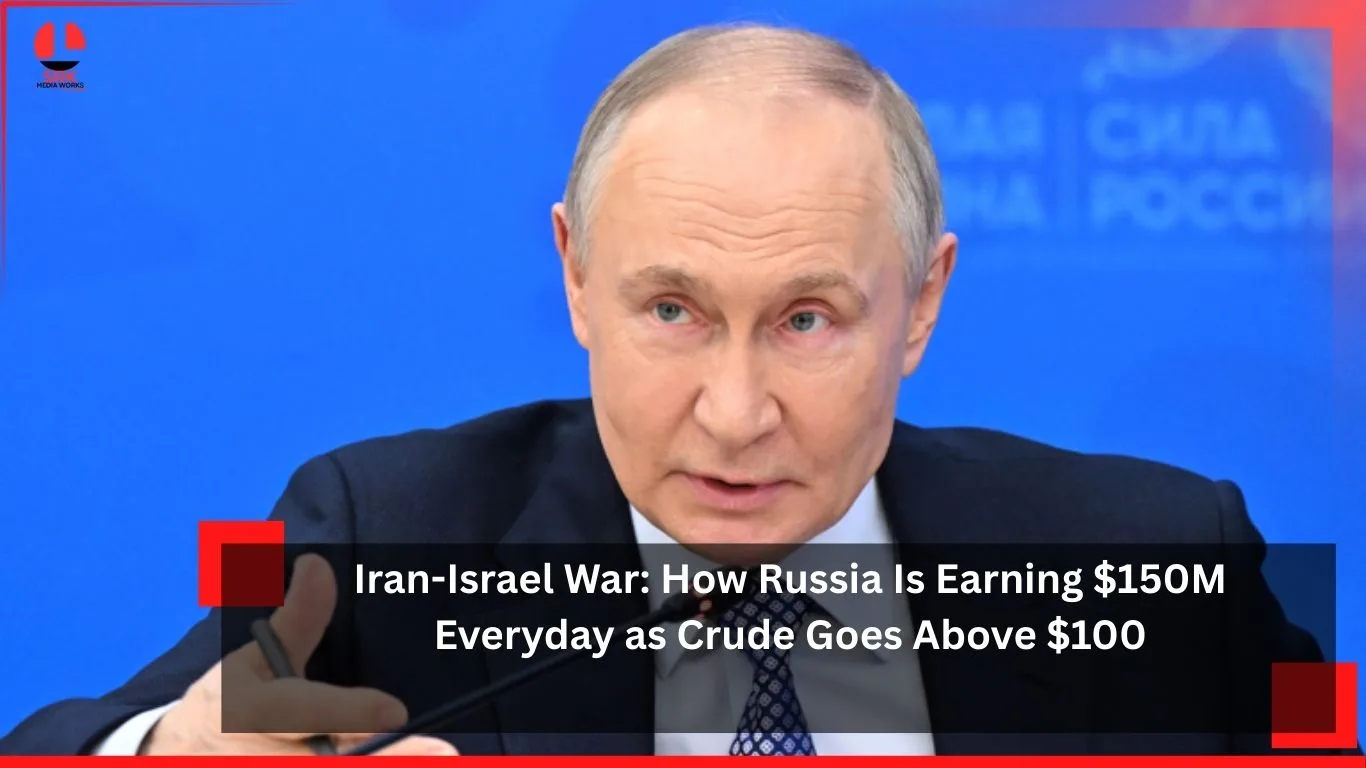
The ongoing Iran-Israel war has sent shockwaves through global energy markets, pushing crude oil prices above $100 per barrel. Amid this turmoil, Russia has emerged as one of the biggest beneficiaries, reportedly earning nearly $150 million every single day from crude exports. This development underscores how geopolitical conflicts can reshape global trade flows, energy security, and economic power balances.
Background
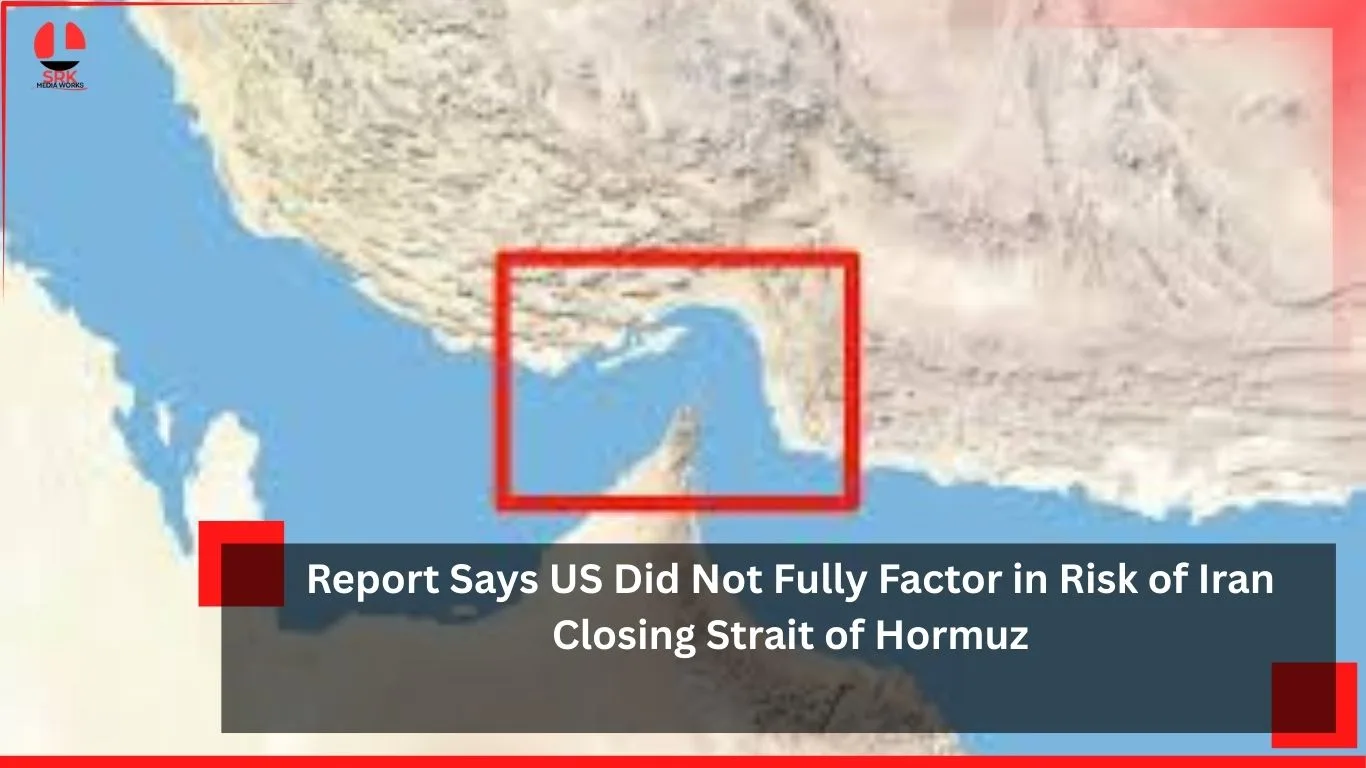
The Strait of Hormuz crisis and escalating military tensions between Iran and Israel have disrupted oil supply chains. With Middle Eastern exports facing uncertainty, global buyers are turning to alternative suppliers. Russia, despite facing Western sanctions, has leveraged discounted crude sales to Asia and other regions, ensuring steady demand.
Russia’s Advantage
- High Prices: With crude above $100, Russia’s revenue per shipment has surged.
- Diversified Buyers: India, China, and other Asian economies continue to purchase Russian oil.
- Sanction Workarounds: Russia uses a “shadow fleet” of tankers and alternative payment systems to bypass restrictions.
- Market Gap: Disruptions in Middle Eastern supply have created opportunities for Russian exports.
Comparative Analysis of Oil Export Earnings
| Country | Daily Earnings (Approx.) | Key Factors Driving Revenue |
|---|---|---|
| Russia | $150M | High prices, steady demand, sanctions workaround |
| Saudi Arabia | $120M | Strong production, but regional instability |
| Iran | $60M | Limited exports due to war disruptions |
| US (exports) | $90M | Stable supply, but higher costs |
Pivot Analysis of Themes
| Theme | Frequency in Coverage | Impact on Public Opinion |
|---|---|---|
| Russia’s oil windfall | High | Seen as opportunistic gain |
| Iran-Israel war impact | High | Raises global concern |
| Energy security | Medium | Strong resonance in Asia |
| Sanctions bypass | Medium | Sparks debate on enforcement |
Impact on India and Asia
India, one of the largest importers of crude oil, has benefited from discounted Russian supplies despite global volatility. Rising prices, however, pose challenges:
- Fuel Inflation: Higher crude costs risk pushing domestic fuel prices upward.
- Trade Balance: Increased import bills strain India’s economy.
- Strategic Choices: India must balance ties with Russia, the US, and Middle Eastern suppliers.
China, too, has increased Russian imports, strengthening its energy security while deepening economic ties with Moscow.
Global Implications
- Energy Security Risks: Countries dependent on Middle Eastern oil face uncertainty.
- Geopolitical Realignment: Russia’s growing role in Asia shifts global power dynamics.
- Sanctions Effectiveness: The ability of Russia to earn billions despite restrictions raises questions about enforcement.
- Market Volatility: Oil prices above $100 threaten global economic stability.
Challenges Ahead
- Prolonged Conflict: Continued Iran-Israel war could keep prices elevated.
- Supply Chain Risks: Tanker routes remain vulnerable to military disruptions.
- Economic Pressure: Import-dependent nations face inflationary shocks.
- Environmental Concerns: Rising reliance on fossil fuels complicates climate goals.
Conclusion
The Iran-Israel war has reshaped global energy markets, with Russia emerging as a major beneficiary. Earning nearly $150 million daily from crude exports, Moscow has turned geopolitical turmoil into economic opportunity. For India and other Asian economies, the challenge lies in balancing affordable imports with long-term energy security. As crude prices remain above $100, the world faces a precarious mix of economic strain and geopolitical uncertainty.
Disclaimer
This article is a journalistic analysis of the impact of the Iran-Israel war on global energy markets and Russia’s crude oil earnings. It is intended for informational purposes only and does not endorse or oppose any political leader, party, or nation. Readers are encouraged to consider multiple perspectives before forming conclusions.