

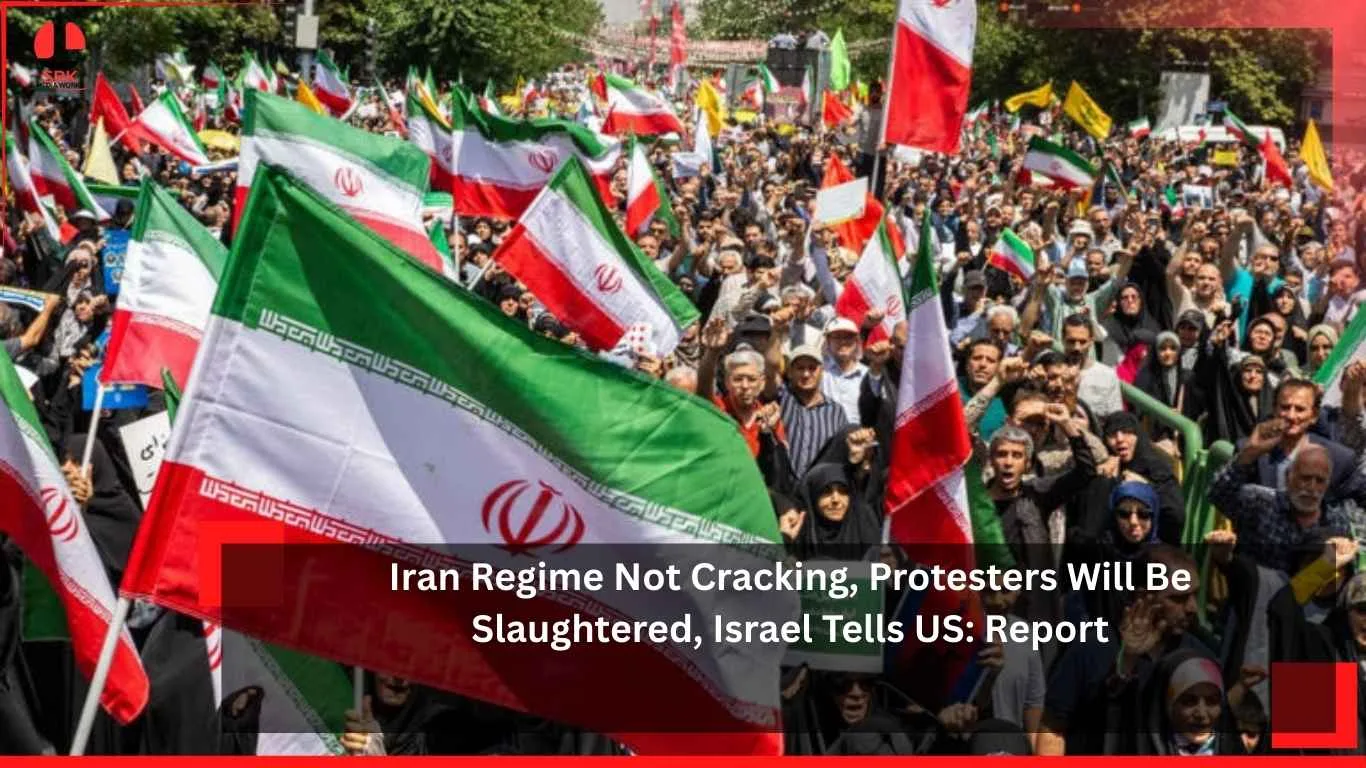
A recent report has revealed that Israeli officials have warned Washington that the Iranian leadership remains firmly in control despite ongoing unrest, and that demonstrators risk facing brutal suppression. The assessment underscores the resilience of Tehran’s ruling establishment and the potential humanitarian crisis looming over the country.
Background of the Situation
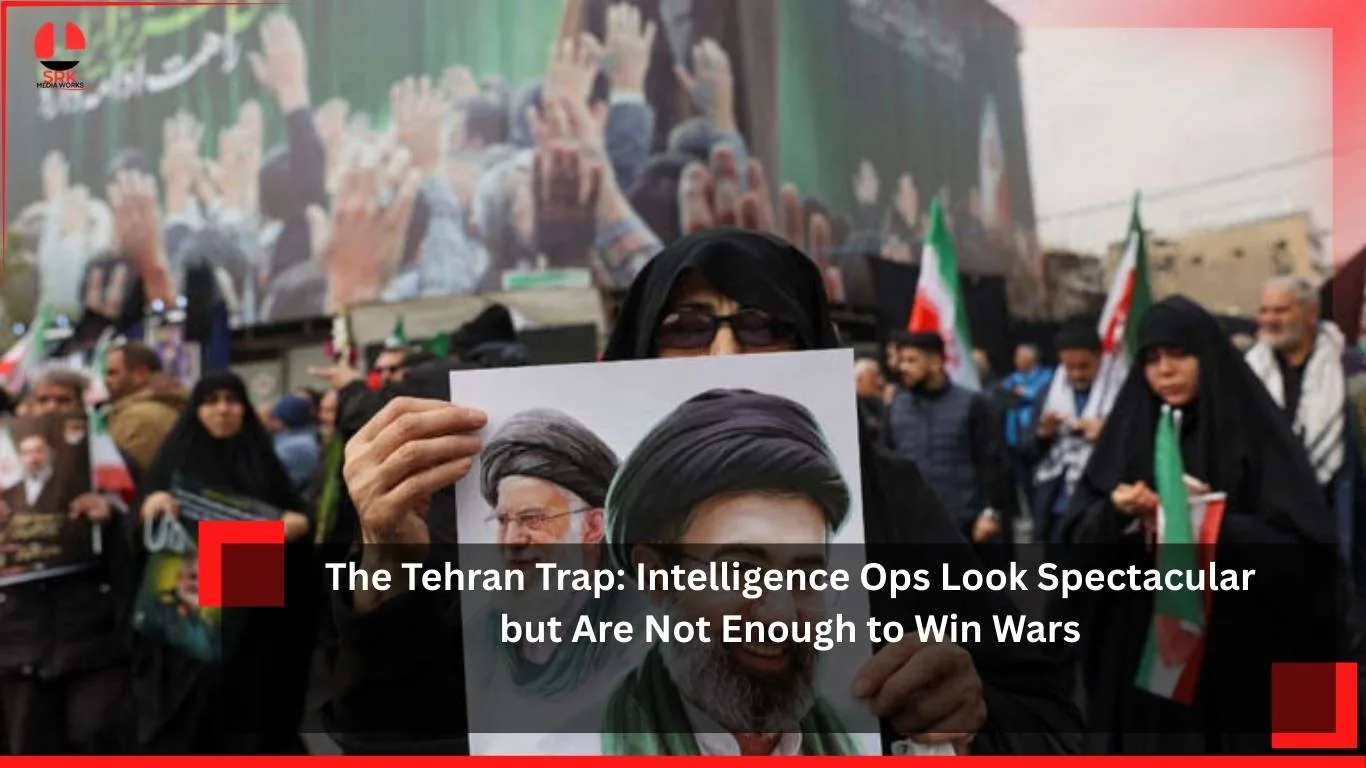
Iran has witnessed waves of protests in recent years, driven by economic hardship, political repression, and demands for greater freedoms. Despite the scale of demonstrations, Israeli officials reportedly believe that the leadership in Tehran shows no signs of collapse.
According to the report, the Iranian government is prepared to use extreme measures to maintain control, including violent crackdowns on protesters. This raises concerns about the future of civil unrest in Iran and the international community’s response.
Why This Report Matters
The warning carries significant weight in shaping U.S. policy toward Iran. It suggests that hopes for regime change through internal pressure may be misplaced, and that protesters face grave risks.
This development also underscores the broader geopolitical struggle in the Middle East, where Iran’s stability—or instability—has direct implications for regional security, energy markets, and global diplomacy.
Key Highlights
| Aspect | Details |
|---|---|
| Situation | Protests continue in Iran |
| Assessment | Leadership remains firm |
| Warning | Protesters risk violent suppression |
| Source | Israeli officials to U.S. |
| Impact | Raises humanitarian and geopolitical concerns |
Comparative Analysis of Regional Unrest
| Country | Trigger of Protests | Government Response | Outcome |
|---|---|---|---|
| Iran | Economic hardship, repression | Violent crackdowns | Continued unrest |
| Syria | Civil war, political dissent | Military suppression | Prolonged conflict |
| Lebanon | Economic collapse | Political instability | Ongoing protests |
| Iraq | Corruption, unemployment | Security force intervention | Cycles of unrest |
This comparison highlights how governments in the region often respond to dissent with force, leading to prolonged instability and humanitarian crises.
Public Reactions
- Supporters of Protesters: Expressed concern over potential massacres and called for international intervention.
- Critics of Intervention: Warned against external involvement, arguing it could worsen tensions.
- Neutral Voices: Emphasized the need for diplomatic solutions and humanitarian aid.
Analytical Breakdown of Stakeholders
| Stakeholder | Position | Impact |
|---|---|---|
| Iranian Government | Determined to maintain control | Risk of violent suppression |
| Protesters | Demand freedoms and reforms | Face grave danger |
| Israel | Warns U.S. of crackdown | Shapes policy debate |
| United States | Receives warning | Considers response options |
| International Community | Divided | Calls for dialogue vs. sanctions |
Broader Impact on Global Politics
The situation in Iran has implications beyond its borders. It affects energy markets, regional alliances, and global security. The warning from Israel may push Washington to reconsider its strategies, balancing pressure with humanitarian concerns.
The crisis also highlights the challenges of supporting democratic movements in authoritarian states, where protests often meet with violent suppression.
Conclusion
The report warning that Iran’s leadership remains unshaken and protesters risk slaughter underscores the severity of the crisis. It highlights the resilience of Tehran’s ruling establishment, the dangers faced by demonstrators, and the geopolitical stakes for the region and beyond.
As debates continue, the issue underscores the need for transparency, humanitarian support, and careful diplomatic engagement. The coming months will reveal whether international pressure can mitigate the risks or whether Iran’s leadership will continue to suppress dissent with force.
Disclaimer
This article is intended for informational purposes only and does not constitute political or strategic advice. The content is based on publicly available information and analysis at the time of writing. Readers are encouraged to consider multiple perspectives before forming conclusions on sensitive issues.