


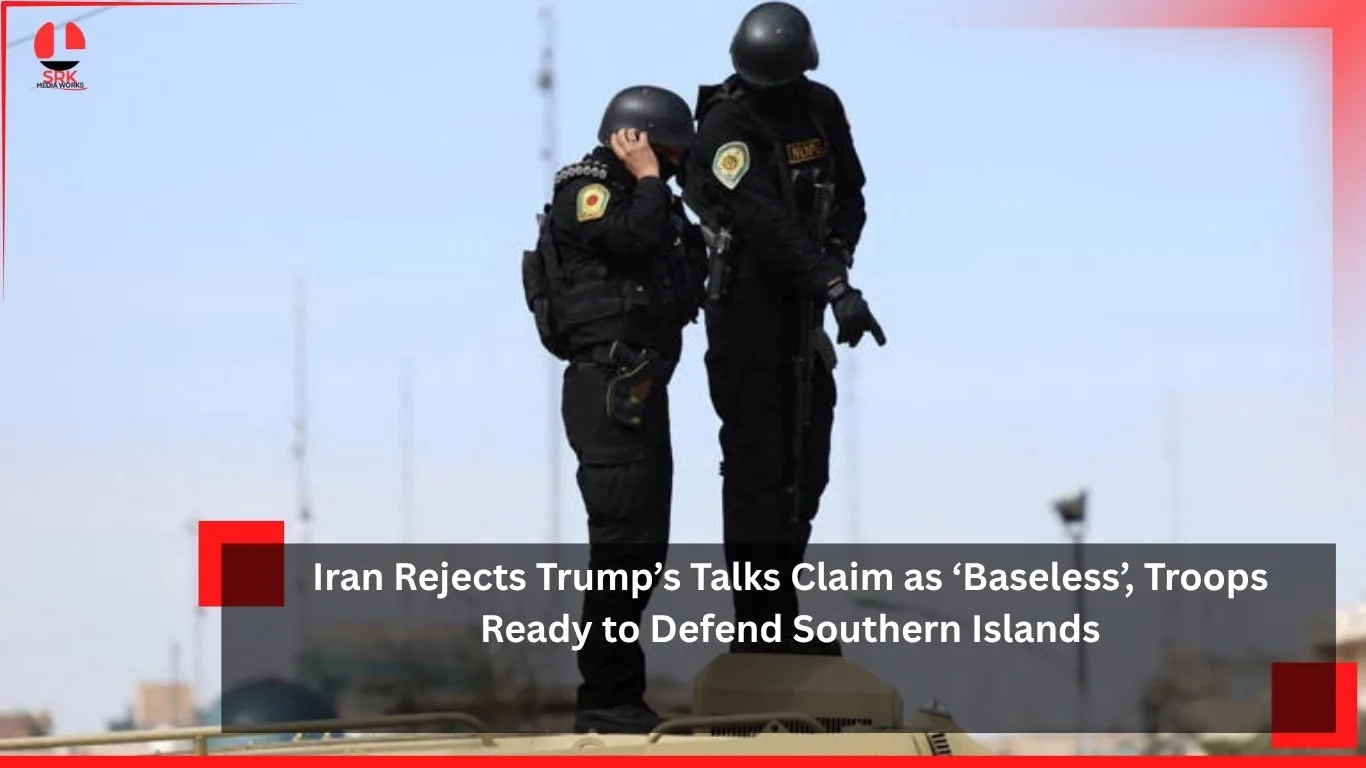
The Iranian government has firmly rejected recent claims made by U.S. President Donald Trump that Tehran was seeking talks with Washington. Labeling the assertion as “baseless,” Iranian officials emphasized that their armed forces remain fully prepared to defend the country’s southern islands, a region of strategic importance in the Persian Gulf. This development underscores the escalating tensions between Iran and the United States, while also highlighting the geopolitical significance of the Gulf’s disputed territories.
Background of the Dispute
The southern islands of Iran, including Abu Musa and the Greater and Lesser Tunbs, have long been points of contention between Iran and neighboring Gulf states. The United Arab Emirates (UAE) has historically claimed sovereignty over these islands, while Iran has maintained firm control since the early 1970s.
Trump’s claim that Iran was seeking talks came amid heightened military activity in the region. However, Iranian officials quickly dismissed the statement, reiterating that their focus remains on defending national sovereignty rather than negotiating under pressure.
Iran’s Military Readiness
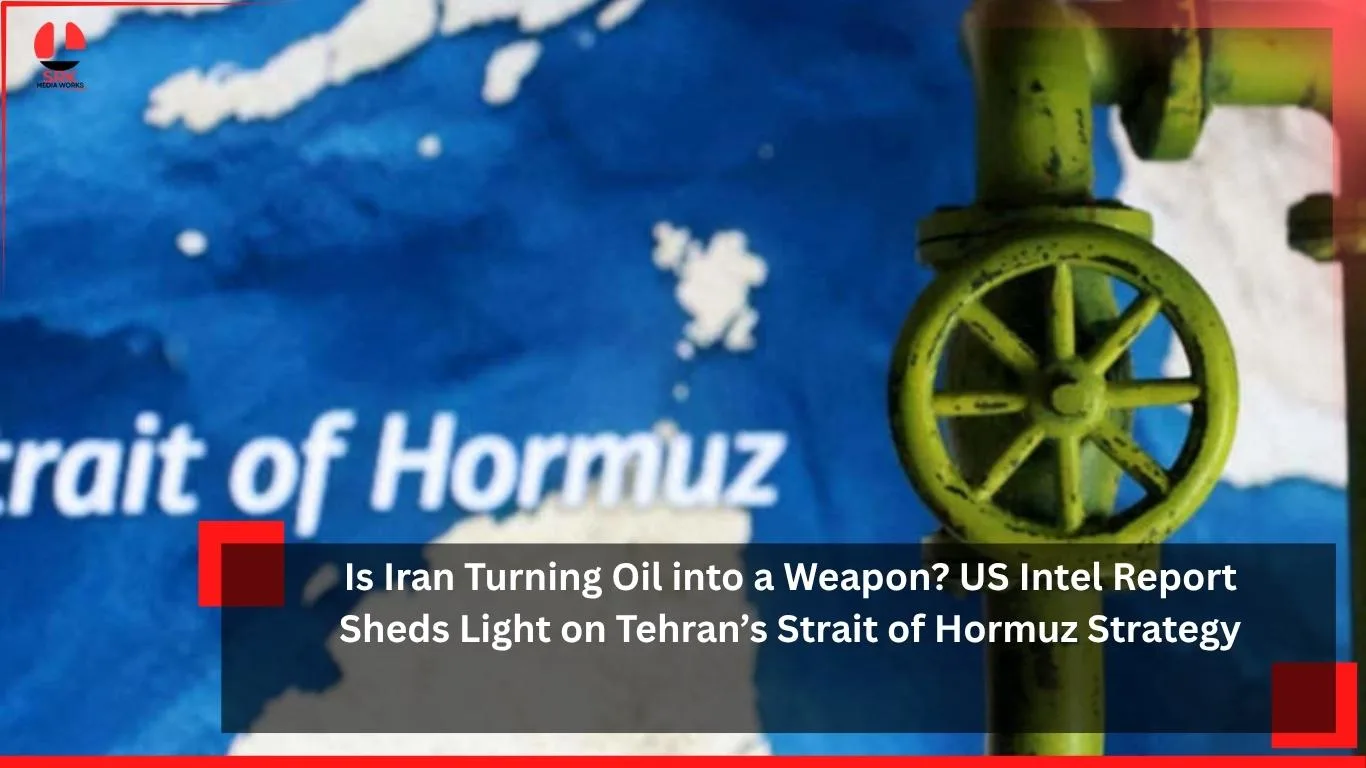
Iran’s military leadership has repeatedly stressed its preparedness to defend the islands against any external threat. The southern islands are strategically located near the Strait of Hormuz, a vital waterway through which nearly one-fifth of the world’s oil supply passes.
Key points of Iran’s military stance:
- Deployment of naval forces in the Persian Gulf.
- Strengthening of missile defense systems near the islands.
- Regular military drills to demonstrate readiness.
- Public statements reinforcing Iran’s sovereignty claims.
Timeline of Events
| Date | Event | Impact |
|---|---|---|
| March 2026 | Trump claims Iran seeks talks | U.S.-Iran tensions rise |
| March 2026 | Iran rejects claim as baseless | Diplomatic standoff |
| March 2026 | Iranian military reaffirms readiness | Regional security concerns |
| Ongoing | Dispute over southern islands | Gulf states remain watchful |
Strategic Importance of the Southern Islands
The islands are not only symbolic of Iran’s sovereignty but also crucial for regional security and energy trade. Control over these territories allows Iran to monitor and potentially influence maritime traffic through the Strait of Hormuz.
Comparative Analysis of Strategic Value
| Island | Location | Strategic Importance | Dispute Status |
|---|---|---|---|
| Abu Musa | Near Strait of Hormuz | Oil shipping routes | Claimed by UAE |
| Greater Tunb | Persian Gulf | Military surveillance | Claimed by UAE |
| Lesser Tunb | Persian Gulf | Naval defense | Claimed by UAE |
Regional Reactions
The rejection of Trump’s claim has drawn mixed reactions across the Middle East:
- UAE and Gulf allies: Concerned about Iran’s military posture.
- Saudi Arabia: Likely to view Iran’s stance as aggressive.
- International observers: Worried about potential escalation in the Strait of Hormuz.
Implications for Global Energy Markets
Any instability in the Persian Gulf directly impacts global energy prices. The Strait of Hormuz is a chokepoint for oil exports, and Iran’s military readiness around the southern islands signals potential risks for uninterrupted energy flow.
Diplomatic Fallout
Iran’s rejection of Trump’s claim highlights the lack of trust between Tehran and Washington. While the U.S. insists on keeping pressure through sanctions and military presence, Iran continues to assert its sovereignty and resist external influence.
Conclusion
Iran’s dismissal of Trump’s claim as “baseless” and its emphasis on defending the southern islands reflect the country’s determination to maintain control over strategic territories. The dispute underscores the fragile balance of power in the Persian Gulf, where military readiness and diplomatic standoffs continue to shape regional dynamics.
Disclaimer
This article is based on reported statements and geopolitical analysis. It does not confirm or deny official military or diplomatic actions. Readers should treat the information as interpretative reporting rather than definitive government policy.