


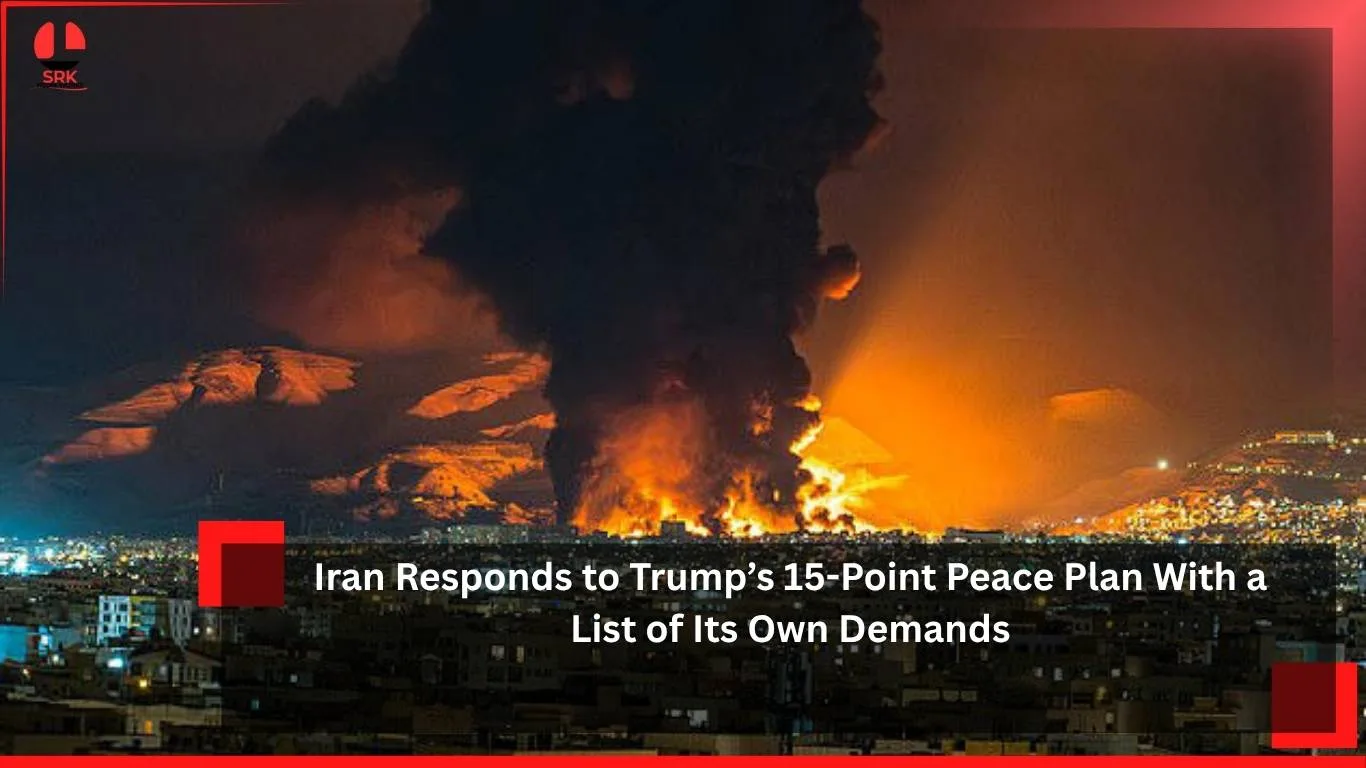
In a dramatic turn in West Asia’s diplomatic landscape, Iran has officially responded to President Donald Trump’s 15-point peace plan by presenting its own list of demands, signaling both openness to dialogue and a firm assertion of its strategic interests. The move underscores Tehran’s determination to shape negotiations on its own terms, while global powers watch closely for signs of progress or escalation.
Background of Trump’s 15-Point Peace Plan
- Core Proposal: Trump’s plan outlined measures to reduce tensions in the Gulf, ensure freedom of navigation in the Strait of Hormuz, and limit Iran’s nuclear program.
- Security Guarantees: It included provisions for regional security cooperation and monitoring mechanisms.
- Economic Incentives: Sanctions relief and trade opportunities were offered if Iran complied with the plan.
- Global Reaction: While some allies welcomed the initiative, critics argued it was heavily tilted toward US and Israeli interests.
Iran’s Counter-Demands
Iran’s leadership responded with a list of demands that highlight its priorities:
- Immediate Sanctions Relief: Tehran insists that all economic sanctions be lifted before negotiations proceed.
- Recognition of Sovereignty: Iran demands acknowledgment of its right to pursue peaceful nuclear energy.
- Regional Autonomy: Calls for the US to withdraw military bases from the Gulf region.
- End to Arms Sales: Iran wants restrictions on US arms sales to Saudi Arabia and Israel.
- Humanitarian Commitments: Requests for medical and food aid channels to remain open without restrictions.
- Security Guarantees: Iran seeks assurances that its territory will not be targeted by US or allied forces.
- Respect for Alliances: Tehran insists its ties with Syria, Lebanon, and other regional partners must not be interfered with.
Comparative Analysis of Peace Plan vs. Iran’s Demands
| Issue | Trump’s Proposal | Iran’s Demand | Outlook |
|---|---|---|---|
| Sanctions | Gradual relief | Immediate removal | Major sticking point |
| Nuclear Program | Strict monitoring | Peaceful use rights | Negotiable |
| US Military Presence | Continued bases | Full withdrawal | High tension |
| Arms Sales | Continued support | End to sales | Difficult compromise |
| Humanitarian Aid | Conditional | Unrestricted | Possible agreement |
Sector-Wise Impact of Negotiations
| Sector | Impact | Outlook |
|---|---|---|
| Energy Markets | Oil price volatility | Dependent on Strait of Hormuz stability |
| Diplomacy | Renewed talks possible | Fragile progress |
| Security | Proxy conflicts may persist | Risk of escalation |
| Trade & Investment | Sanctions relief could boost Iran’s economy | Conditional |
| Public Opinion | Mixed reactions globally | Divided sentiment |
Why This Matters
- Global Security: The Strait of Hormuz remains a critical chokepoint for global oil supply.
- Diplomatic Balance: Iran’s counter-demands highlight its refusal to accept unilateral conditions.
- Economic Stakes: Sanctions relief could reshape Iran’s economy and global trade flows.
- Political Ramifications: Trump’s plan and Iran’s response will influence US foreign policy debates and regional alliances.
Challenges Ahead
- Trust Deficit: Years of hostility make mutual trust difficult to establish.
- Alliance Pressures: US allies like Israel and Saudi Arabia oppose concessions to Iran.
- Domestic Politics: Both Trump and Iranian leaders face internal pressures that limit flexibility.
- Proxy Conflicts: Ongoing wars in Syria, Yemen, and Iraq complicate peace efforts.
Long-Term Implications
- Regional Realignment: Successful negotiations could reshape alliances in West Asia.
- Energy Security: Stability in the Strait of Hormuz would benefit global markets.
- Diplomatic Precedent: A deal could set a model for future conflict resolution.
- Global Polarization: Failure could deepen divides between US-led allies and Iran’s partners.
Conclusion
Iran’s response to Trump’s 15-point peace plan with its own list of demands marks a pivotal moment in West Asia’s diplomacy. While the gesture signals willingness to engage, the stark differences between the two sides highlight the challenges ahead. Whether this exchange leads to meaningful negotiations or further confrontation will depend on the ability of both parties to bridge deep-rooted mistrust and competing interests.
Disclaimer
This article is intended for informational purposes only and does not constitute diplomatic or strategic advice. The views expressed are based on reported developments as of March 2026. Readers should consider multiple perspectives before forming conclusions about international relations and peace negotiations.