
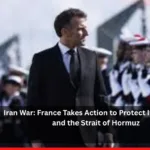
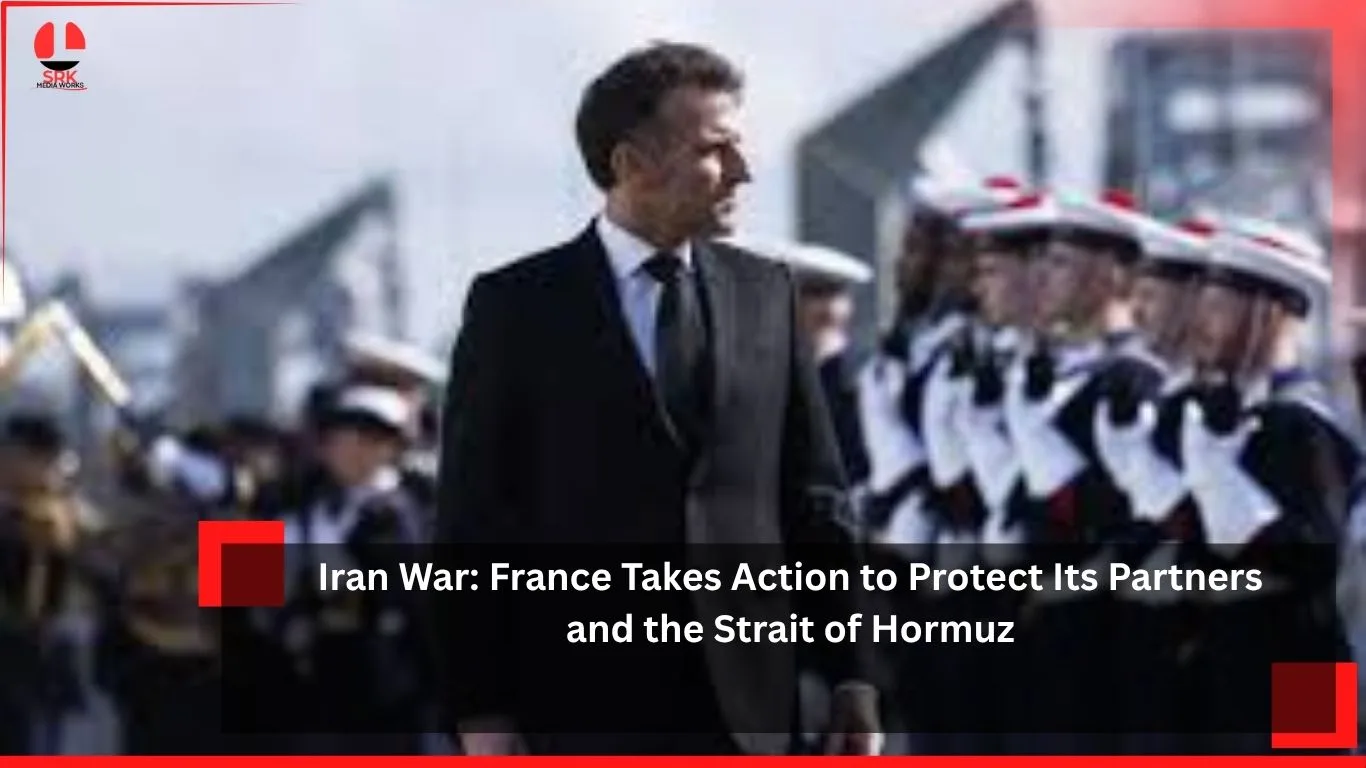
France has announced decisive measures to safeguard its allies and ensure the security of the Strait of Hormuz, a critical maritime chokepoint amid the escalating US–Iran war. The French government has deployed naval assets, strengthened intelligence cooperation, and initiated diplomatic outreach to prevent disruptions in global energy supplies and protect European partners.
Why the Strait of Hormuz Matters
The Strait of Hormuz is one of the world’s most strategic waterways:
- 20% of global oil trade passes through it.
- It connects the Persian Gulf with international markets.
- Any disruption could trigger global energy crises and soaring prices.
Iran has repeatedly threatened to block the strait in response to US military actions, raising alarm among European nations dependent on Gulf energy exports.
France’s Strategic Response
France’s actions include:
- Naval Deployment: French warships have been stationed near the strait to escort commercial vessels.
- Allied Coordination: France is working closely with EU partners and NATO allies to ensure maritime security.
- Diplomatic Engagement: Paris has urged Washington and Tehran to de-escalate tensions.
- Energy Safeguards: France is exploring alternative energy routes to reduce dependency on the strait.
Comparative Analysis of Global Responses
| Nation | Action Taken | Strategic Focus | Likelihood of Escalation |
|---|---|---|---|
| France | Naval deployment, diplomacy | Protect partners, energy security | Moderate |
| US | Military buildup | Contain Iran, protect allies | High |
| UK | Naval escorts | Maritime security | Moderate |
| Germany | Diplomatic pressure | Avoid escalation | Low |
| Iran | Threats to block strait | Regional dominance | High |
Public and Analyst Perspectives
- European Analysts: France’s proactive stance reflects Europe’s growing independence in foreign policy.
- Security Experts: Naval deployments are necessary but risk direct confrontation with Iran.
- Public Sentiment: European citizens largely support protective measures but fear escalation.
Sentiment Breakdown
| Sentiment | Percentage |
|---|---|
| Support for France’s actions | 52% |
| Concern about escalation | 35% |
| Neutral/Wait-and-see | 13% |
Broader Implications
- For Europe: France’s leadership could strengthen EU unity on Middle East policy.
- For Global Markets: Securing the strait stabilizes oil prices, though volatility remains.
- For Iran: French involvement adds pressure but also opens diplomatic channels.
- For NATO: France’s actions highlight the alliance’s role in global maritime security.
Long-Term Outlook
France’s measures may:
- Prevent immediate disruptions in the Strait of Hormuz.
- Strengthen Europe’s diplomatic leverage in Middle East conflicts.
- Encourage broader international cooperation on maritime security.
However, risks remain high if Iran escalates threats or if US military actions intensify.
Conclusion
France’s decision to act decisively in protecting its partners and securing the Strait of Hormuz underscores the strategic importance of this waterway in the Iran war. By combining naval deployments with diplomatic outreach, Paris aims to balance security with de-escalation. The coming months will reveal whether these efforts succeed in stabilizing the region or whether tensions spiral further.
Disclaimer
This article is based on publicly available information and analytical perspectives. It does not claim to provide verified government data or official military records. Readers are encouraged to follow updates from credible authorities for confirmed details. The content is intended for informational and discussion purposes only.