
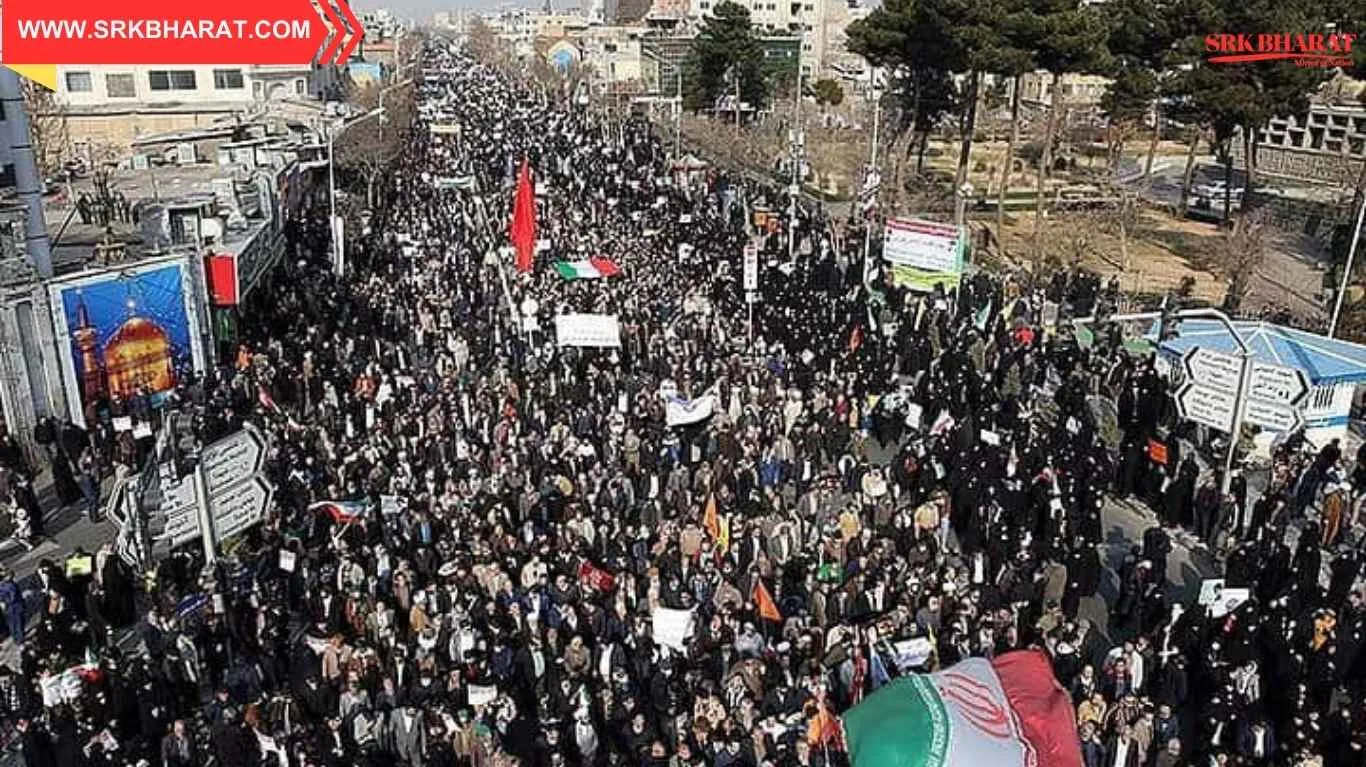
The streets of Iran have once again become the epicenter of turmoil as inflation-driven protests turned deadly, with demonstrators chanting slogans such as “Democracy in, mullahs out.” The unrest reflects deep frustration among citizens over skyrocketing prices, economic mismanagement, and political repression. What began as demonstrations against inflation and rising costs of essential goods has now evolved into a broader movement demanding systemic change.
Background of the Protests
- Iran has been grappling with severe inflation, with food, fuel, and medicine prices rising sharply.
- Citizens, already burdened by unemployment and sanctions, took to the streets in multiple cities.
- Initially focused on economic grievances, the protests quickly escalated into political demands, with calls for democratic reforms and an end to clerical rule.
- Security forces responded with force, leading to casualties and widespread condemnation.
Key Highlights of the Unrest
| Indicator | Details |
|---|---|
| Trigger | Inflation and rising cost of living |
| Protest Slogan | “Democracy in, mullahs out” |
| Casualties | Reports of deaths and injuries during clashes |
| Government Response | Deployment of security forces, arrests |
| Broader Impact | Escalation from economic to political demands |
Implications of Iran’s Inflation Protests
| Factor | Positive Impact | Challenges | Long-Term Implication |
|---|---|---|---|
| Public Awareness | Highlights economic mismanagement | Risk of violent crackdowns | Push for systemic reforms |
| Political Discourse | Opens debate on governance | Suppression of dissent | Strengthened opposition voices |
| International Attention | Global focus on Iran’s crisis | Diplomatic tensions | Pressure for accountability |
| Economic Policy | Opportunity for reforms | Sanctions and mismanagement | Need for structural changes |
| Civil Society | Mobilization of citizens | Risk of repression | Potential for democratic movements |
Why the Protests Matter
- Economic Collapse: Inflation has eroded purchasing power, leaving millions struggling to afford basic necessities.
- Political Demands: The shift from economic grievances to political slogans signals a growing demand for systemic change.
- Human Rights Concerns: The deadly crackdown raises alarms about violations of civil liberties.
- Global Impact: Iran’s instability affects regional security and international relations.
- Symbolic Shift: The slogan “Democracy in, mullahs out” reflects a direct challenge to clerical authority.
Economic Roots of the Crisis
| Attribute | Details |
|---|---|
| Inflation Rate | Among the highest in the region |
| Food Prices | Sharp increases in staples like bread and rice |
| Fuel Costs | Rising due to subsidy cuts and sanctions |
| Unemployment | High among youth and graduates |
| Currency Devaluation | Rial continues to lose value against global currencies |
Economic mismanagement, compounded by international sanctions, has created a perfect storm of hardship for ordinary Iranians.
Political Dimensions
- Protesters are increasingly vocal about their desire for democratic governance.
- The slogan “Democracy in, mullahs out” reflects frustration with clerical dominance in politics.
- Opposition groups abroad have expressed solidarity, calling for international support.
- The government has dismissed the protests as foreign-backed, a narrative often used to delegitimize dissent.
Expert Opinions
- Economists: Warn that without structural reforms, inflation will continue to devastate households.
- Political Analysts: Note that the protests represent a significant challenge to clerical authority.
- Human Rights Advocates: Condemn the use of lethal force against demonstrators.
- Citizens: Express despair over economic conditions and demand accountability.
Challenges Ahead
- Government Crackdown: Security forces may intensify repression to quell dissent.
- Economic Instability: Inflation and unemployment show no signs of abating.
- International Isolation: Sanctions limit Iran’s ability to stabilize its economy.
- Civil Unrest: Continued protests risk escalating into widespread violence.
- Leadership Crisis: Growing calls for systemic change challenge the legitimacy of clerical rule.
Opportunities for Reform
- Economic Stabilization: Implement policies to curb inflation and stabilize currency.
- Political Dialogue: Engage with citizens to address grievances.
- International Engagement: Seek relief from sanctions through diplomacy.
- Civil Society Empowerment: Allow greater freedom for organizations and activists.
- Governance Reform: Move toward inclusive and democratic structures.
Broader Context of Iran’s Struggles
- Iran has faced recurring waves of protests over economic and political issues.
- Previous demonstrations were often sparked by fuel price hikes or corruption scandals.
- The current protests are notable for their explicit political demands alongside economic grievances.
- Regional observers warn that instability in Iran could have ripple effects across the Middle East.
Public Sentiment
- Citizens express anger and frustration, demanding accountability from leaders.
- Social media amplifies slogans like “Democracy in, mullahs out,” spreading the message globally.
- Families of victims call for justice, highlighting the human cost of repression.
- Overall sentiment reflects despair but also determination to push for change.
Conclusion
The inflation protests in Iran, which turned deadly as demonstrators chanted “Democracy in, mullahs out,” mark a critical juncture in the nation’s history. What began as economic grievances has evolved into a broader demand for systemic change, challenging clerical authority and highlighting deep-seated frustrations. While the government faces challenges in managing both economic collapse and political dissent, the protests underscore the resilience of civil society and the urgency of reform. The outcome of this unrest will shape Iran’s future trajectory, with implications for both domestic governance and international relations.
Disclaimer
This article is intended for informational purposes only and does not constitute official political or economic advice. Events, government responses, and public sentiments are subject to change based on evolving circumstances. Readers are encouraged to follow official updates for accurate information. The author and publisher are not responsible for any decisions made based on this article.