


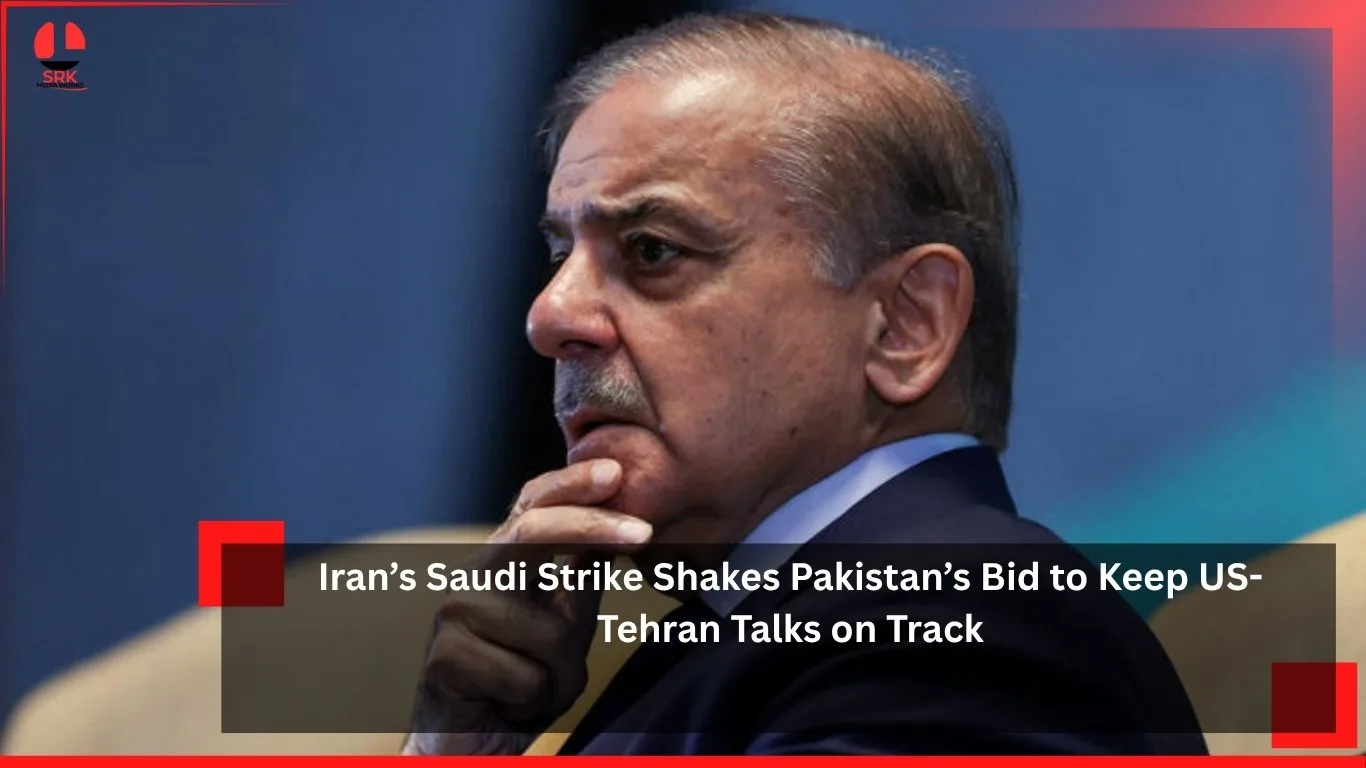
The Middle East has entered another volatile phase after Iran’s strike on Saudi Arabia, an incident that has rattled regional stability and complicated Pakistan’s ongoing efforts to mediate between Washington and Tehran. The attack has not only heightened tensions between Iran and its rivals but also undermined Islamabad’s diplomatic push to keep US-Iran talks alive.
Background of the Strike
Iran’s missile and drone strike on Saudi targets was framed by Tehran as retaliation against perceived aggression. The attack, however, has drawn sharp condemnation from the United States and its allies, who view it as a destabilizing act that threatens global energy supplies and regional security.
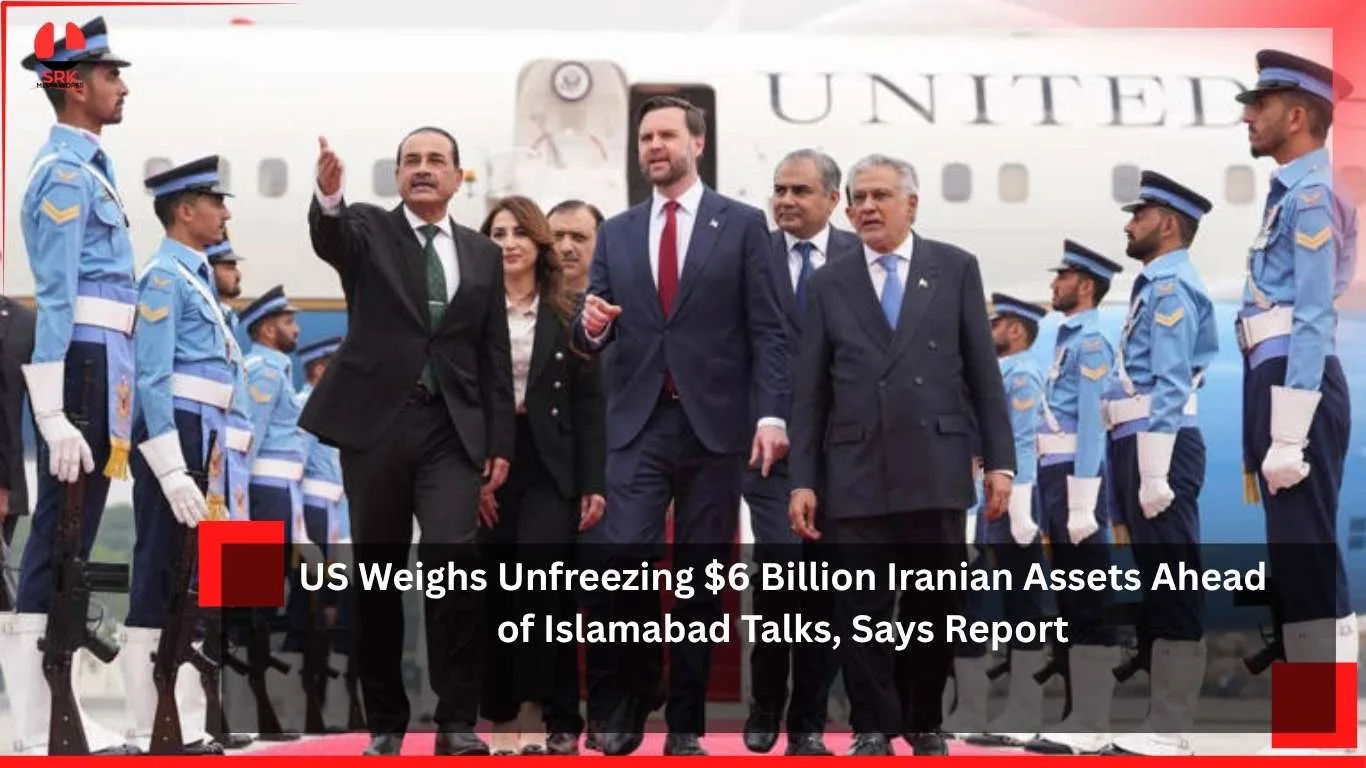
Pakistan, which has positioned itself as a mediator between Iran and the US, now faces a daunting challenge. Its credibility as a peace broker is being tested, as the strike has hardened positions on both sides and reduced the space for dialogue.
Pakistan’s Mediation Efforts
Pakistan has long sought to balance its ties with Iran, Saudi Arabia, and the US. Its mediation strategy includes:
- Diplomatic Engagement: Hosting talks and encouraging dialogue between Tehran and Washington.
- Regional Stability: Promoting peace to avoid spillover effects into South Asia.
- Economic Interests: Ensuring energy security and trade routes remain stable.
- Global Credibility: Projecting itself as a responsible actor in international diplomacy.
The Saudi strike, however, has shaken these efforts, making it harder for Islamabad to convince Washington and Tehran to return to the negotiating table.
Comparative Analysis of Stakeholder Positions
| Attribute | Iran (Post-Strike) | US (Response) | Pakistan (Mediator) |
|---|---|---|---|
| Military Posture | Aggressive, retaliatory | Defensive, deterrence | Neutral, peace-seeking |
| Diplomatic Strategy | Resistance, sovereignty | Pressure, sanctions | Mediation, dialogue |
| Public Messaging | Defiance, resilience | Accountability, deterrence | Stability, cooperation |
| Global Perception | Aggressive, destabilizing | Credible, powerful | Ambitious, constrained |
Pivot Analysis of Pakistan’s Mediation
| Factor | Before Saudi Strike | After Saudi Strike |
|---|---|---|
| Diplomatic Credibility | Moderate | Questioned |
| Regional Stability | Fragile | Highly volatile |
| US-Iran Dialogue | Possible | Severely strained |
| Public Sentiment | Neutral | Polarized |
| Global Attention | Limited | Intensified |
Reactions from Global Stakeholders
- United States: Condemned Iran’s strike, warning of consequences and tightening sanctions.
- Saudi Arabia: Strengthened defense readiness, calling for international solidarity.
- Iran: Defended the strike as retaliation, vowing to continue resistance.
- Pakistan: Expressed concern, urging restraint and renewed dialogue.
- European Union: Called for de-escalation, warning of risks to global energy markets.
Challenges Ahead for Pakistan
Pakistan’s mediation faces multiple challenges:
- Credibility Crisis: The Saudi strike undermines Islamabad’s role as a neutral broker.
- Regional Pressure: Balancing ties with both Saudi Arabia and Iran is increasingly difficult.
- Global Scrutiny: The US and allies may doubt Pakistan’s ability to influence Tehran.
- Domestic Concerns: Rising tensions could impact Pakistan’s economy and security.
Broader Implications
This incident highlights broader geopolitical themes:
- Fragility of Diplomacy: Peace efforts can be derailed by sudden military escalations.
- Regional Rivalries: Iran-Saudi tensions remain a central destabilizing factor.
- Global Energy Security: Strikes on Saudi targets threaten oil supplies and global markets.
- Pakistan’s Role: Islamabad’s ambition to mediate is constrained by regional realities.
Conclusion
Iran’s strike on Saudi Arabia has shaken Pakistan’s bid to keep US-Tehran talks on track. While Islamabad continues to push for dialogue, the escalation has hardened positions and reduced the likelihood of immediate negotiations.
The coming weeks will determine whether Pakistan can salvage its mediation efforts or whether the region moves closer to open conflict. For now, the strike underscores the fragility of diplomacy in a volatile Middle East.
Disclaimer
This article is intended for informational purposes only. It is based on publicly available developments and does not represent official statements from the governments of Iran, Saudi Arabia, Pakistan, or the United States. Readers should rely on official announcements for verified updates.