
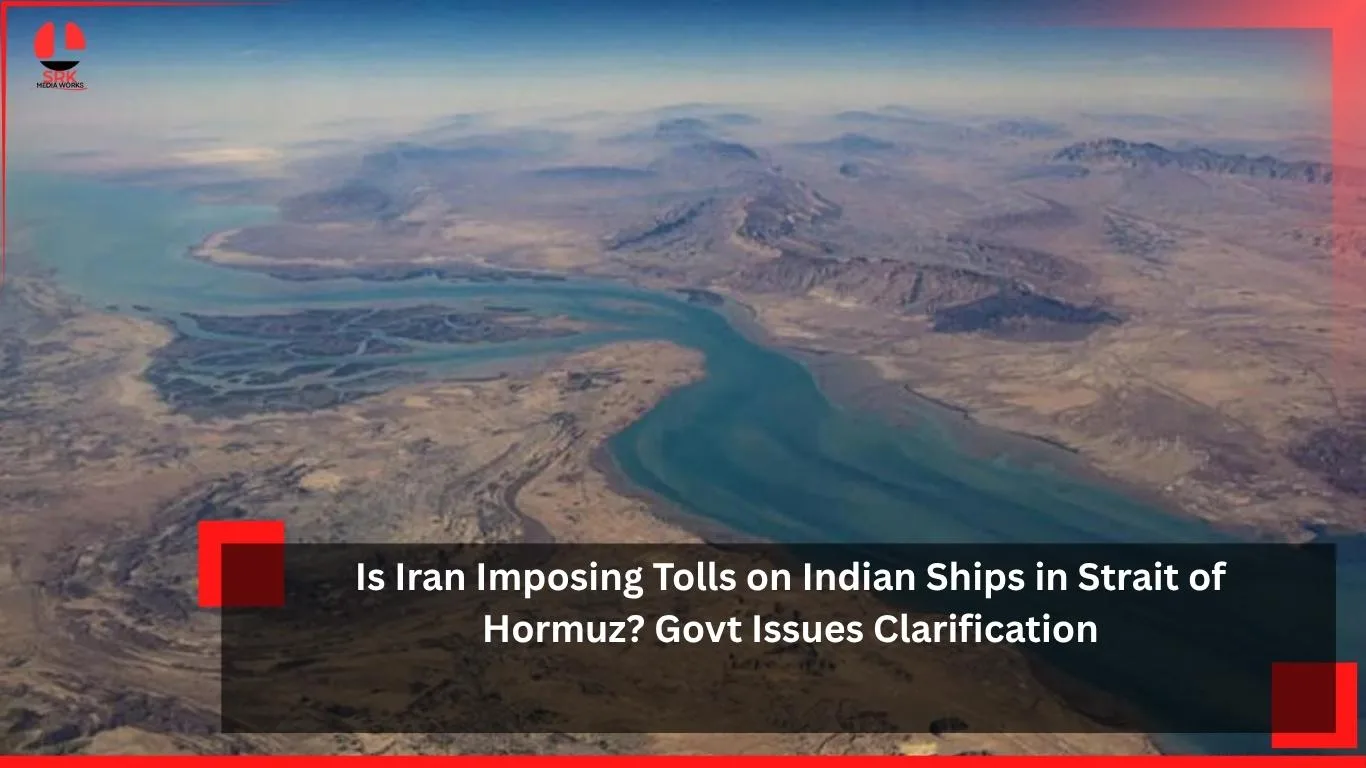
India has officially dismissed speculation that Iran is imposing tolls on Indian ships transiting the Strait of Hormuz. The Ministry of External Affairs (MEA) clarified that no such charges have been levied, and no discussions have taken place with Tehran regarding tolls on Indian-flagged or operated vessels. The clarification comes amid heightened tensions in West Asia, where disruptions in maritime routes have raised concerns about global energy security and trade flows.
Background of the Reports
Recent reports from Iranian media suggested that a parliamentary commission had approved a proposal to impose tolls on vessels passing through the Strait of Hormuz. Given India’s reliance on this strategic chokepoint for crude oil imports, the news sparked speculation about potential cost escalations and supply chain disruptions. However, India’s government has categorically denied any such development, emphasizing that Indian ships continue to operate without additional charges.
India’s Official Position
- MEA Statement: Spokesperson Randhir Jaiswal confirmed that no talks have been held with Iran regarding tolls.
- Dismissal of Rumors: India stressed that reports of tolls are speculative and not grounded in fact.
- Evacuation Efforts: Over 1,200 Indian nationals have been evacuated from Iran amid the ongoing West Asia crisis, highlighting India’s proactive approach to safeguarding its citizens.
- Energy Security: India continues to diversify its oil basket to mitigate risks from regional instability.
Importance of the Strait of Hormuz
The Strait of Hormuz is one of the world’s most critical maritime chokepoints:
- Global Oil Transit: Nearly 20% of global oil passes through this narrow strait.
- Strategic Location: It connects the Persian Gulf with the Arabian Sea and beyond.
- Geopolitical Sensitivity: Any disruption in this route has immediate global economic consequences.
Comparative Analysis of Maritime Concerns
| Year | Reported Maritime Disruptions | Impact on Indian Shipping | Govt Clarification |
|---|---|---|---|
| 2024 | Minor incidents | Limited delays | No tolls imposed |
| 2025 | Increased tensions | Diversification of imports | No tolls imposed |
| 2026 | Hormuz blockade rumors | Speculation on tolls | Clarified as false |
This comparative view shows how India has consistently clarified misinformation while ensuring uninterrupted shipping operations.
Sector-Wise Impact of Rumors
| Sector | Impact Level | Key Issues |
|---|---|---|
| Energy Security | High | Concerns about oil supply costs |
| Shipping Industry | Medium | Speculation on tolls affecting freight |
| Diplomacy | High | Need for reassurance from Iran |
| Trade & Commerce | Medium | Anxiety among importers and exporters |
| Public Perception | High | Fear of rising fuel prices |
Analytical Pivot
| Year | Global Oil Price (USD/barrel) | Strait of Hormuz Status | India’s Import Strategy |
|---|---|---|---|
| 2024 | 75 | Stable | Reliance on Gulf crude |
| 2025 | 85 | Tensions rising | Diversification begins |
| 2026 | 95 (March) | Rumors of tolls | Increased Russian imports, clarified no tolls |
This analysis highlights how India’s proactive diversification strategy has cushioned the economy against misinformation and geopolitical risks.
International Reactions
- Iran: Officials reassured India that its vessels remain safe and no tolls are being imposed.
- Global Analysts: Viewed the clarification as essential to calming markets and preventing panic.
- Energy Importers: Other nations also sought clarity, given their reliance on Hormuz for oil shipments.
Future Outlook
India is expected to continue strengthening its energy security by:
- Expanding imports from Russia, Africa, and Latin America.
- Enhancing strategic petroleum reserves.
- Investing in renewable energy to reduce dependency on volatile regions.
- Maintaining diplomatic engagement with Iran to ensure safe passage for ships.
Conclusion
The Indian government’s clarification that Iran is not imposing tolls on Indian ships in the Strait of Hormuz has reassured markets and citizens alike. Despite regional instability, India’s proactive diplomacy and diversified energy strategy have ensured resilience. The episode underscores the importance of clear communication in countering misinformation during times of geopolitical tension.
Disclaimer
This article is intended for informational purposes only. The content reflects current government statements and analysis based on publicly available information. Readers should not interpret this as financial or policy advice. While accuracy has been prioritized, future developments may alter the situation. Independent verification is recommended before drawing conclusions.