




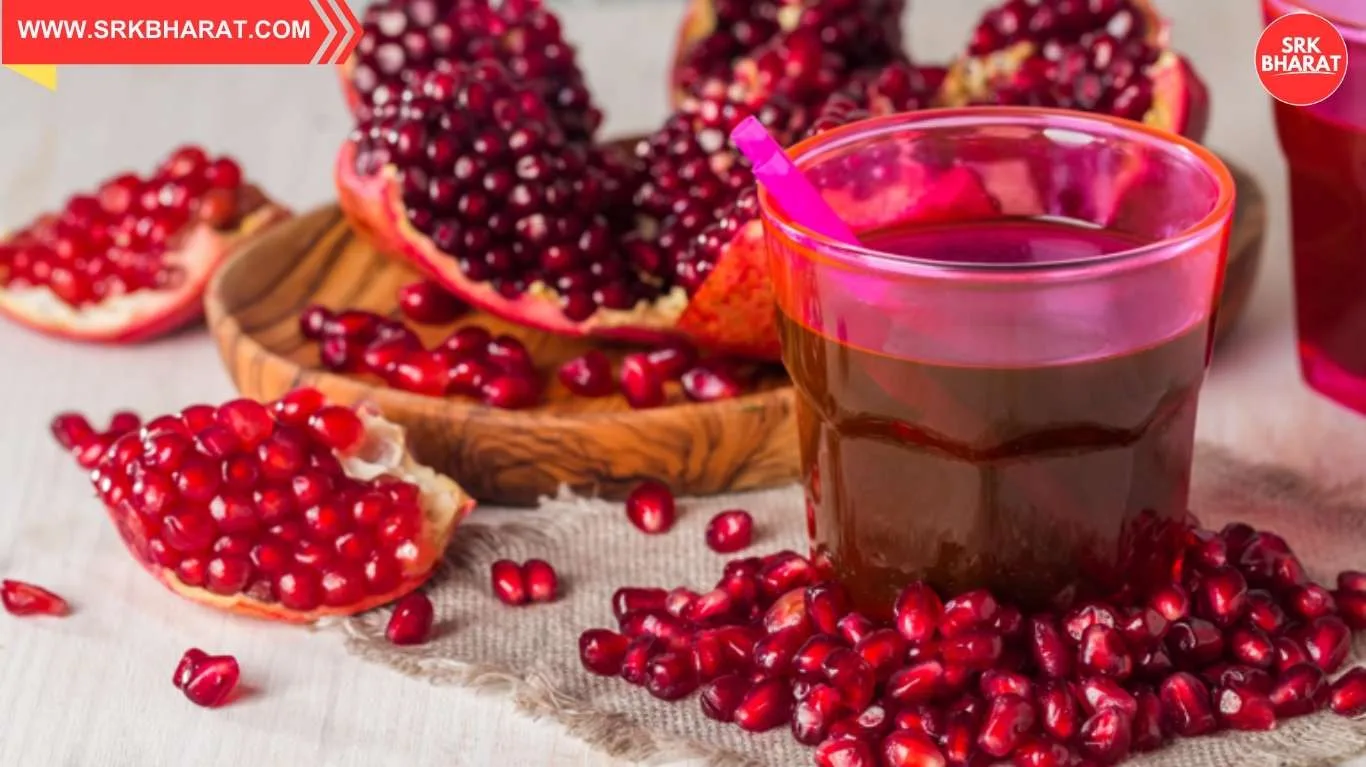
The idea that pomegranate juice can “clean” arteries or cure blockages has gained popularity in recent years. With its vibrant red seeds and reputation as a powerhouse of antioxidants, pomegranate is often marketed as a miracle fruit for heart health. But does science support the claim that it can reverse or cure artery blockages? The answer is more nuanced.
Understanding Artery Blockages
Artery blockages are primarily caused by atherosclerosis, a chronic condition where fatty deposits (plaques) build up inside the arterial walls. This process is influenced by multiple factors:
- High cholesterol levels
- High blood pressure
- Smoking
- Diabetes
- Genetic predisposition
- Poor diet and lifestyle
Once plaque forms, it hardens and narrows the arteries, restricting blood flow. Severe blockages can lead to heart attacks, strokes, or other cardiovascular complications.
What Science Says About Pomegranate Juice
Research indicates that pomegranate juice offers heart-protective benefits, but it is not a direct cure for artery blockages.
Key Findings:
- Antioxidant Power: Pomegranate is rich in polyphenols that reduce oxidative stress, a major contributor to arterial damage.
- Anti-inflammatory Properties: Studies show it can lower inflammation, which plays a role in plaque formation.
- Improved Cholesterol Balance: Some evidence suggests pomegranate juice may help reduce LDL (“bad” cholesterol) and support HDL (“good” cholesterol).
- Blood Pressure Reduction: Regular consumption has been linked to lower blood pressure, easing strain on arteries.
- Arterial Thickness: Clinical studies suggest daily intake may reduce carotid artery thickness, a marker of atherosclerosis.
However, no scientific evidence confirms that pomegranate juice can dissolve or remove existing blockages. It supports cardiovascular health but cannot replace medical treatments like angioplasty, bypass surgery, or prescribed medications.
Analysis of Pomegranate’s Role in Heart Health
| Factor | Traditional Belief | Scientific Evidence | Outcome Observed |
|---|---|---|---|
| Artery Cleaning | Juice dissolves blockages | No direct evidence | Myth debunked |
| Antioxidant Effect | Reduces oxidative damage | Supported by studies | Positive impact |
| Cholesterol Impact | Balances LDL/HDL | Moderate improvement | Helpful but limited |
| Blood Pressure | Strong reduction | Evidence supports modest effect | Beneficial |
| Overall Cure | Seen as “magic cure” | Not a cure, but supportive | Misconception |
Comparative Analysis of Heart-Healthy Foods
| Food/Drink | Key Benefit | Role in Artery Health |
|---|---|---|
| Pomegranate Juice | Antioxidants, anti-inflammatory | Supports arterial health, not a cure |
| Olive Oil | Healthy fats | Improves cholesterol balance |
| Green Tea | Polyphenols | Reduces oxidative stress |
| Nuts (Almonds/Walnuts) | Omega-3 fatty acids | Protects against plaque buildup |
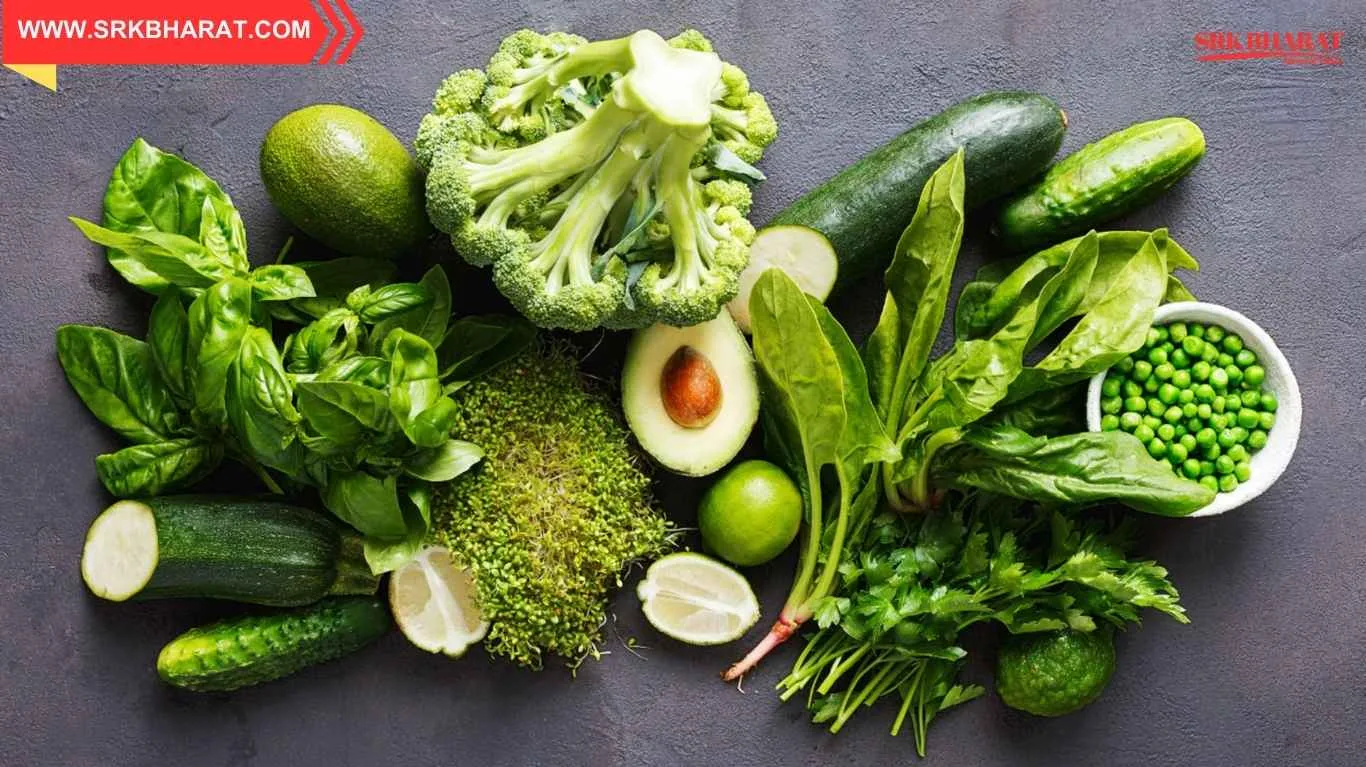
| Leafy Greens | Nitrates, fiber | Supports blood pressure and cholesterol |
Risks of Believing in “Magic Cure” Claims
Relying solely on pomegranate juice or similar remedies can be dangerous.
- Delayed Medical Treatment: Believing juice can cure blockages may prevent timely medical intervention.
- False Security: Patients may ignore lifestyle changes or prescribed medications.
- Overconsumption Risks: Excessive intake may interact with certain medications, such as blood thinners.
Balanced Approach to Heart Health
Pomegranate juice can be part of a heart-healthy diet, but it should be combined with:
- Regular exercise
- Balanced diet rich in fruits, vegetables, whole grains, and lean proteins
- Avoiding smoking and excessive alcohol
- Managing stress
- Regular medical check-ups
Future Outlook
Ongoing research continues to explore the role of pomegranate in cardiovascular health. Scientists are studying its bioactive compounds for potential therapeutic applications. While promising, it is unlikely to replace established medical treatments for artery blockages.
Conclusion
Pomegranate juice is not a magic cure for artery blockages, but it does provide valuable cardiovascular benefits. Its antioxidants, anti-inflammatory properties, and ability to support cholesterol and blood pressure make it a useful addition to a balanced diet. However, it cannot dissolve existing plaques or replace medical treatments. The best approach is to view pomegranate juice as a supportive food, not a cure, while following medical advice and maintaining a healthy lifestyle.
Disclaimer
This article is intended for informational purposes only. It summarizes scientific findings on pomegranate juice and cardiovascular health. It is not medical advice. Readers should consult healthcare professionals for diagnosis, treatment, and personalized recommendations regarding heart disease or artery blockages.