

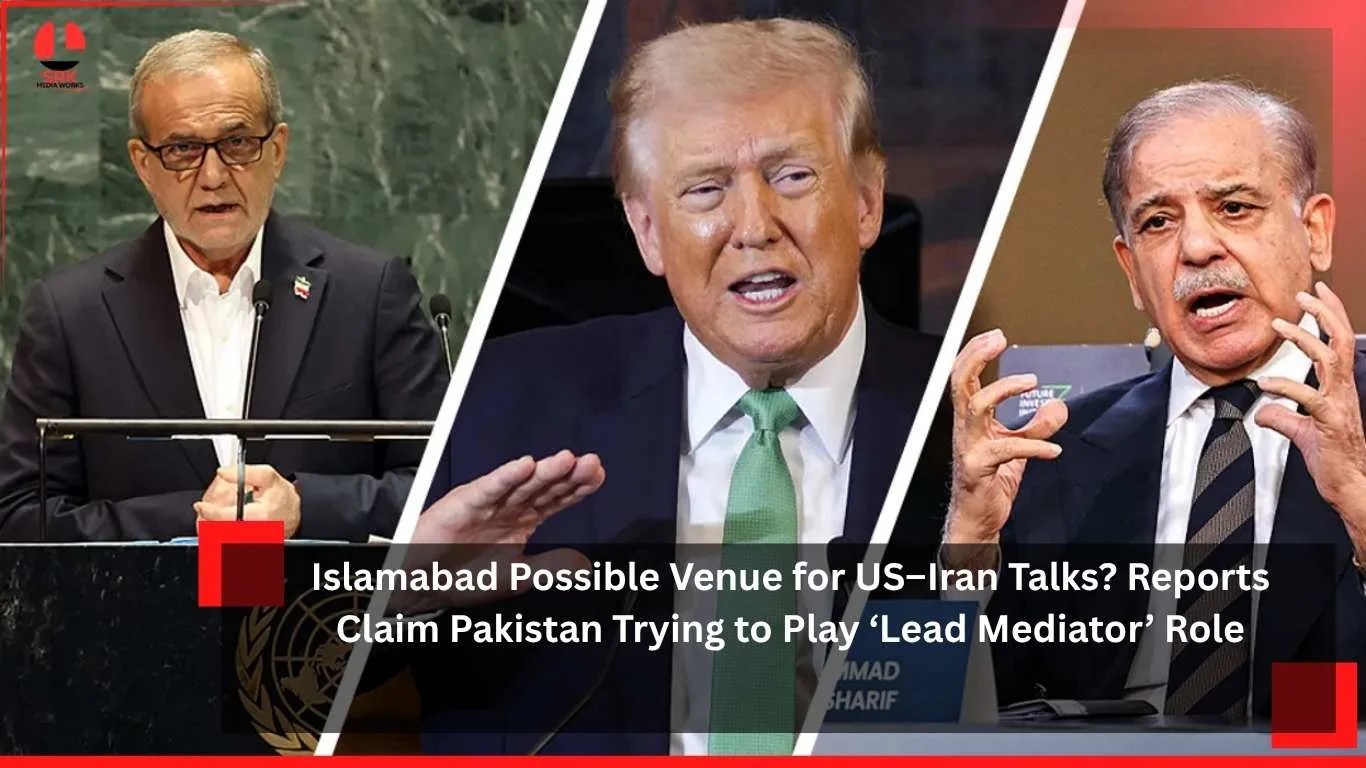
The escalating tensions between the United States and Iran have prompted renewed calls for dialogue, and reports now suggest that Islamabad could emerge as a possible venue for US–Iran talks, with Pakistan attempting to position itself as a lead mediator in the conflict. This development underscores Pakistan’s growing ambition to play a central role in Middle Eastern diplomacy, leveraging its unique ties with both Washington and Tehran.
Pakistan’s Mediation Push
Pakistan has reportedly engaged in high-level diplomatic outreach to both sides:
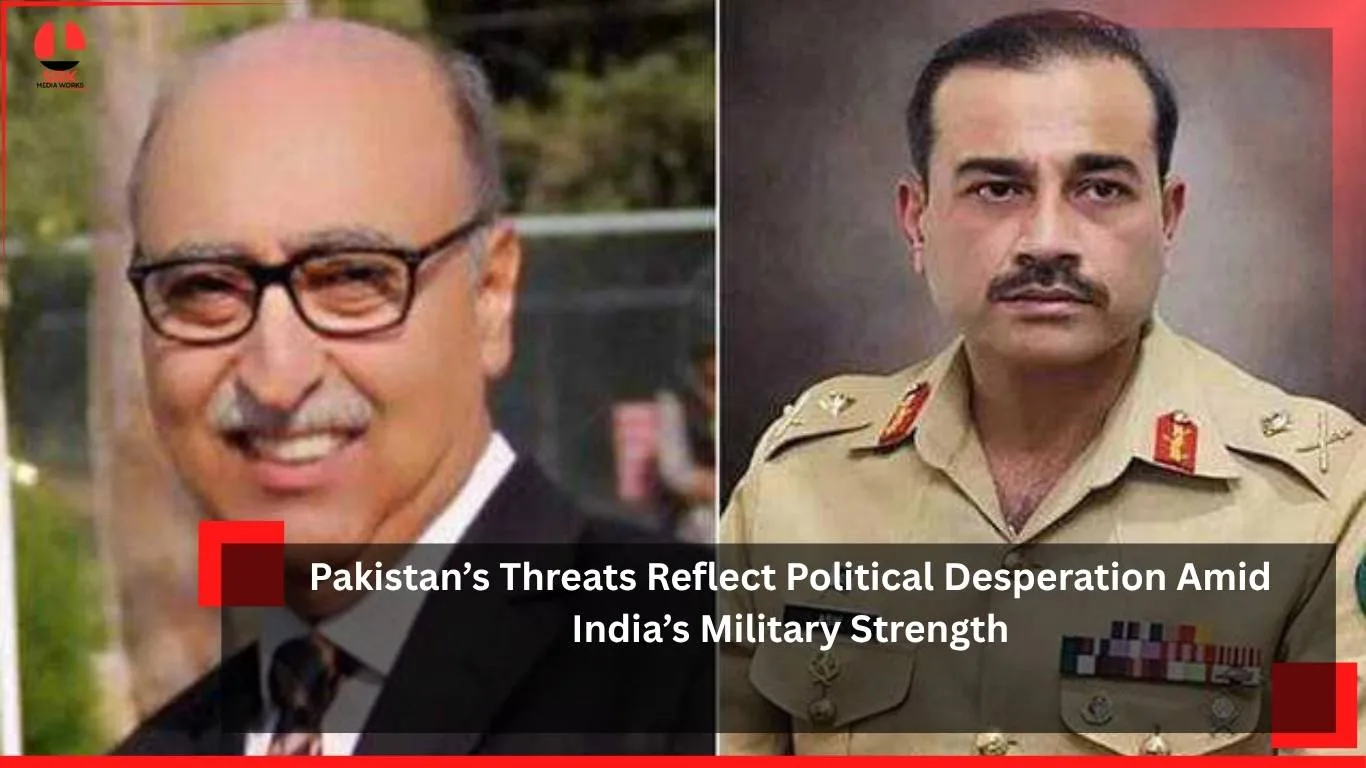
- Military Diplomacy: Army Chief Gen. Asim Munir has held discussions with US officials, emphasizing Pakistan’s interest in de-escalation.
- Political Engagement: Prime Minister Shehbaz Sharif has reached out to Iranian leadership, offering Islamabad as a neutral ground for talks.
- Strategic Messaging: Pakistan has publicly highlighted its role as a peace broker, signaling its intent to be seen as a credible mediator.
Why Islamabad is Being Considered
Several factors make Islamabad a potential venue for US–Iran negotiations:
- Geopolitical Location: Pakistan shares a border with Iran and maintains strong ties with Gulf states.
- Religious Demographics: With the world’s second-largest Shia population, Pakistan has cultural leverage in engaging Tehran.
- Diplomatic Balance: Islamabad has historically maintained relations with both Washington and Tehran, despite tensions.
- Neutral Venue: Unlike European capitals, Islamabad offers a regional setting that could appeal to Iran.
Comparative Roles of Mediating Nations
| Nation | Role in Mediation | Strengths | Limitations |
|---|---|---|---|
| Oman | Traditional mediator | Trusted neutrality | Limited global influence |
| Switzerland | Hosting talks | Diplomatic infrastructure | Less regional leverage |
| Italy | EU involvement | Energy security focus | Limited trust from Iran |
| Pakistan | Proposed venue, direct talks | Regional ties, cultural links | Perceived bias due to Gulf alliances |
Public and Analyst Perspectives
- Optimistic Analysts: Pakistan could provide a regional voice and act as a bridge between Iran and the US.
- Skeptical Analysts: Islamabad’s close ties with Saudi Arabia and the US may undermine its neutrality.
- Public Sentiment: Mixed, with some seeing Pakistan’s role as a chance to rise diplomatically, while others fear entanglement in a dangerous conflict.
Sentiment Breakdown
| Sentiment | Percentage |
|---|---|
| Support for Pakistan’s involvement | 42% |
| Skepticism about neutrality | 38% |
| Neutral/Wait-and-see | 20% |
Broader Implications
- For the US: Pakistan’s mediation could help reduce tensions and stabilize oil markets.
- For Iran: Offers a chance to negotiate without Western dominance.
- For Pakistan: Enhances diplomatic standing but risks domestic backlash if mediation fails.
- For the Middle East: Potential pathway to de-escalation, though fragile.
Long-Term Outlook
If Islamabad hosts US–Iran talks, it could mark a turning point in Pakistan’s diplomatic trajectory. Success would elevate Pakistan’s global profile as a peace broker, while failure could expose its vulnerabilities and strain relations with allies. The coming months will determine whether Islamabad can balance competing alliances and maintain credibility in one of the world’s most volatile conflicts.
Conclusion
Reports of Islamabad being considered as a venue for US–Iran talks highlight Pakistan’s ambition to play a lead mediator role in the Middle East. While challenges remain, Pakistan’s unique position—bordering Iran, allied with the US, and connected to Gulf states—gives it leverage that few other nations possess. Whether this translates into successful mediation will depend on Islamabad’s ability to maintain neutrality and foster trust among all parties involved.
Disclaimer
This article is based on publicly available information and analytical perspectives. It does not claim to provide verified government data or official diplomatic records. Readers are encouraged to follow updates from credible authorities for confirmed details. The content is intended for informational and discussion purposes only.