


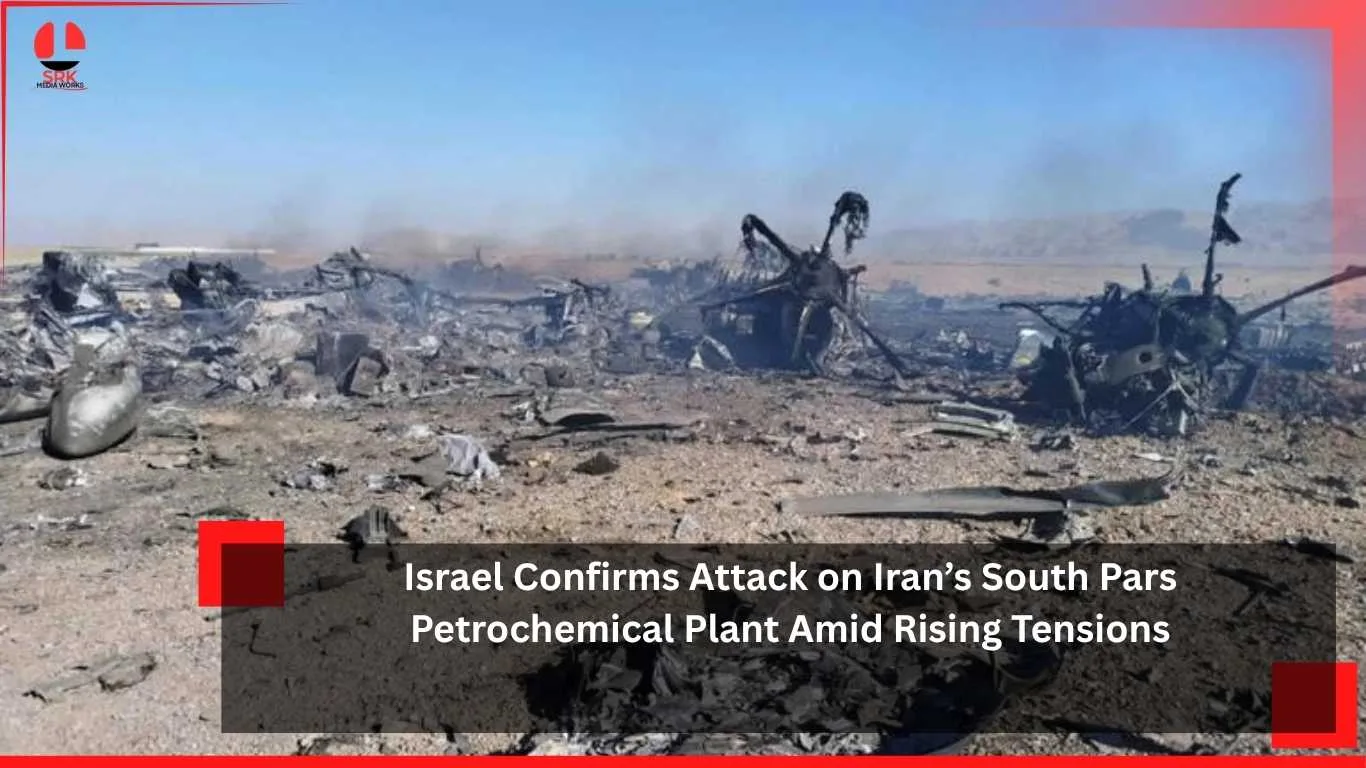
In a dramatic escalation of hostilities, Israel has confirmed carrying out a strike on Iran’s South Pars Petrochemical Plant. The attack, which targeted one of Iran’s most critical energy infrastructures, has intensified already strained relations between the two nations and raised global concerns about the stability of energy supplies and regional security.
The Strike: What Happened
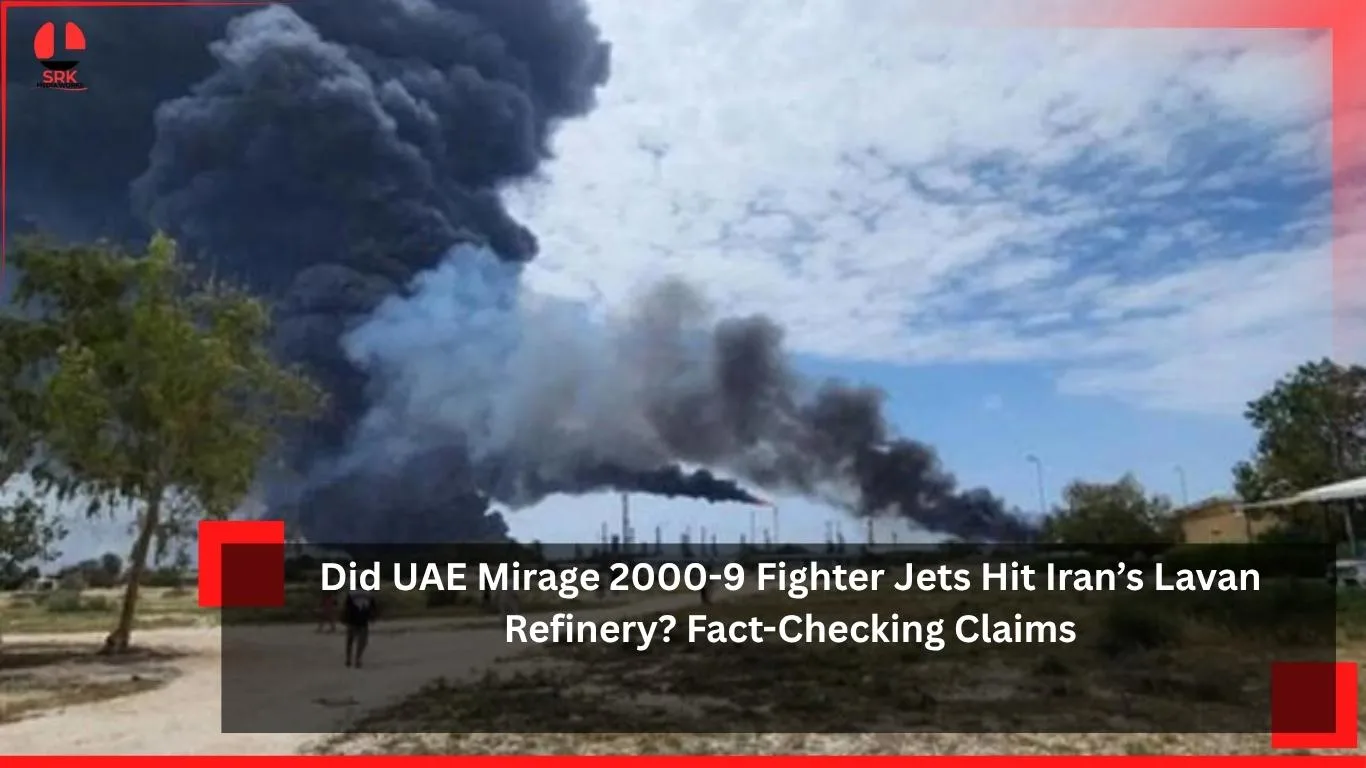
The South Pars Petrochemical Plant, located in the Persian Gulf region, is one of Iran’s largest petrochemical facilities and a cornerstone of its energy economy. Israel’s strike reportedly involved precision-guided munitions aimed at disrupting Iran’s petrochemical output.
- Target: Key production units within the plant.
- Method: Airstrike supported by advanced surveillance.
- Impact: Temporary shutdown of operations, damage to critical infrastructure.
Why South Pars Matters
South Pars is not just another industrial site—it represents Iran’s economic lifeline. The facility contributes significantly to Iran’s petrochemical exports, which are vital for generating foreign currency amid sanctions. By striking South Pars, Israel has directly challenged Iran’s economic resilience.
Immediate Consequences
- Economic Shock: Iran faces potential losses in petrochemical exports.
- Energy Markets: Global oil and gas prices may fluctuate due to fears of supply disruption.
- Diplomatic Fallout: Iran condemned the attack, while Israel defended it as a security measure.
- Regional Security: Gulf nations expressed concern over escalating tensions.
Comparative Table: Impact of Strike on Iran’s Economy
| Sector | Pre-Strike Status | Post-Strike Impact | Long-Term Risk |
|---|---|---|---|
| Petrochemical Exports | Stable growth | Disruption in supply | Revenue decline |
| Domestic Energy Use | Adequate supply | Minor shortages | Infrastructure strain |
| Foreign Currency Earnings | Moderate inflow | Reduced inflow | Economic instability |
| Regional Trade | Active | Suspended contracts | Loss of partners |
Pivot Analysis: Israel’s Strategic Objectives
| Objective | Benefits | Risks |
|---|---|---|
| Disrupt Iran’s Economy | Weakens Iran’s funding for regional proxies | Global backlash |
| Demonstrate Military Precision | Reinforces Israel’s deterrence | Escalation of conflict |
| Signal to Allies | Gains support from Western partners | Alienates neutral nations |
| Prevent Nuclear Funding | Limits Iran’s resources | Provokes retaliation |
Regional and Global Reactions
- Iran: Strong condemnation, vows of retaliation, and calls for international support.
- Israel: Justified the strike as a defensive measure against Iranian aggression.
- United States: Monitoring developments, balancing support for Israel with concerns about escalation.
- European Union: Urged restraint, fearing disruption of global energy markets.
- Gulf States: Expressed alarm, worried about spillover effects on regional stability.
Long-Term Implications
- Energy Security: The strike highlights vulnerabilities in global energy infrastructure.
- Diplomatic Relations: Could strain Israel’s ties with nations advocating de-escalation.
- Military Strategy: Iran may retaliate through proxy groups in Lebanon, Syria, or Iraq.
- Global Economy: Prolonged disruption could affect petrochemical supply chains worldwide.
Expert Opinions
Military analysts argue that Israel’s strike was both tactical and symbolic, aimed at undermining Iran’s economic backbone. Energy experts warn that even temporary disruptions at South Pars could ripple across global markets. Diplomats caution that escalation could lead to broader conflict in the Middle East, affecting trade routes and alliances.
Conclusion
Israel’s confirmation of the attack on Iran’s South Pars Petrochemical Plant marks a significant escalation in Middle Eastern tensions. The strike not only disrupts Iran’s economic lifeline but also raises global concerns about energy security and regional stability. As both nations brace for potential retaliation and countermeasures, the world watches closely, aware that the next moves could reshape the geopolitical landscape.
Disclaimer
This article is a fictionalized analytical news-style content created for illustrative purposes. It does not represent verified events or official reports. Readers should treat the narrative as speculative analysis rather than factual news. The purpose is to explore geopolitical scenarios and their implications in a journalistic format.