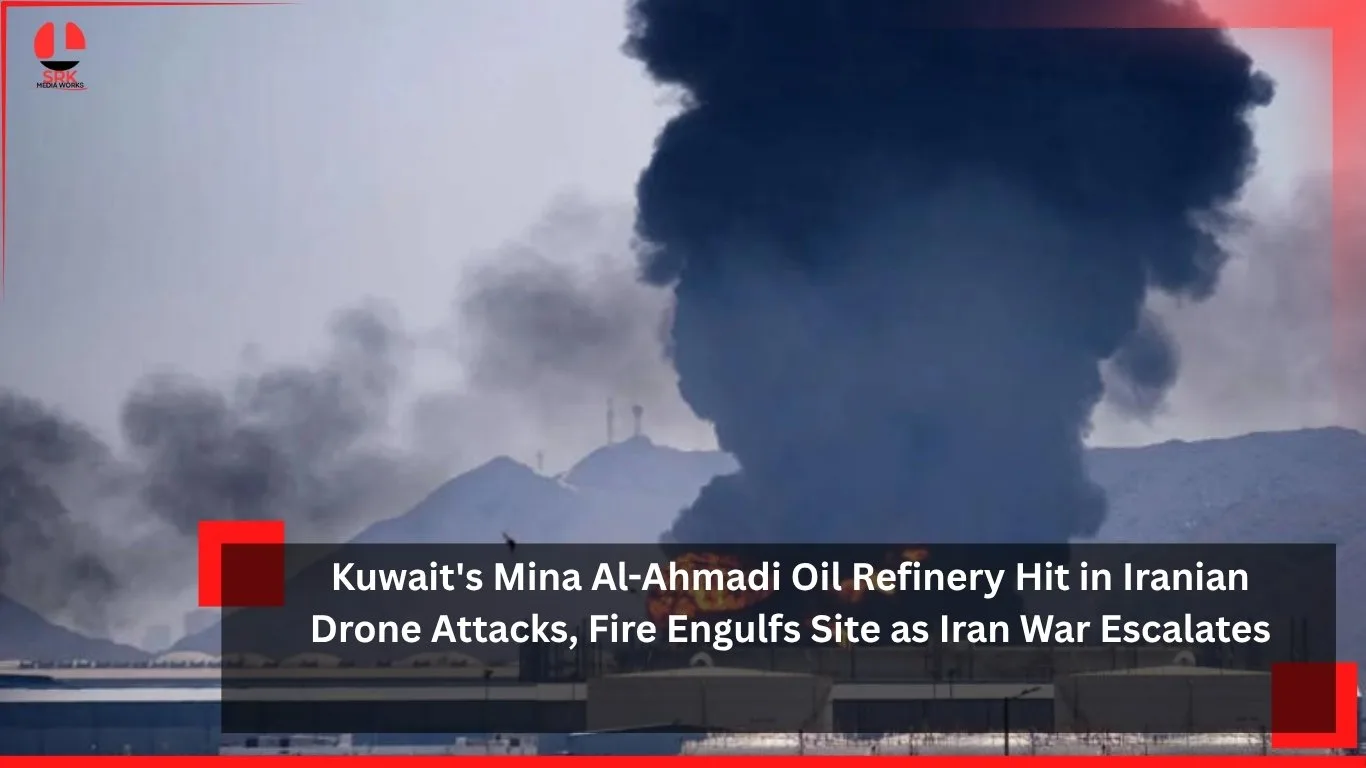

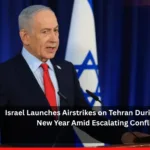
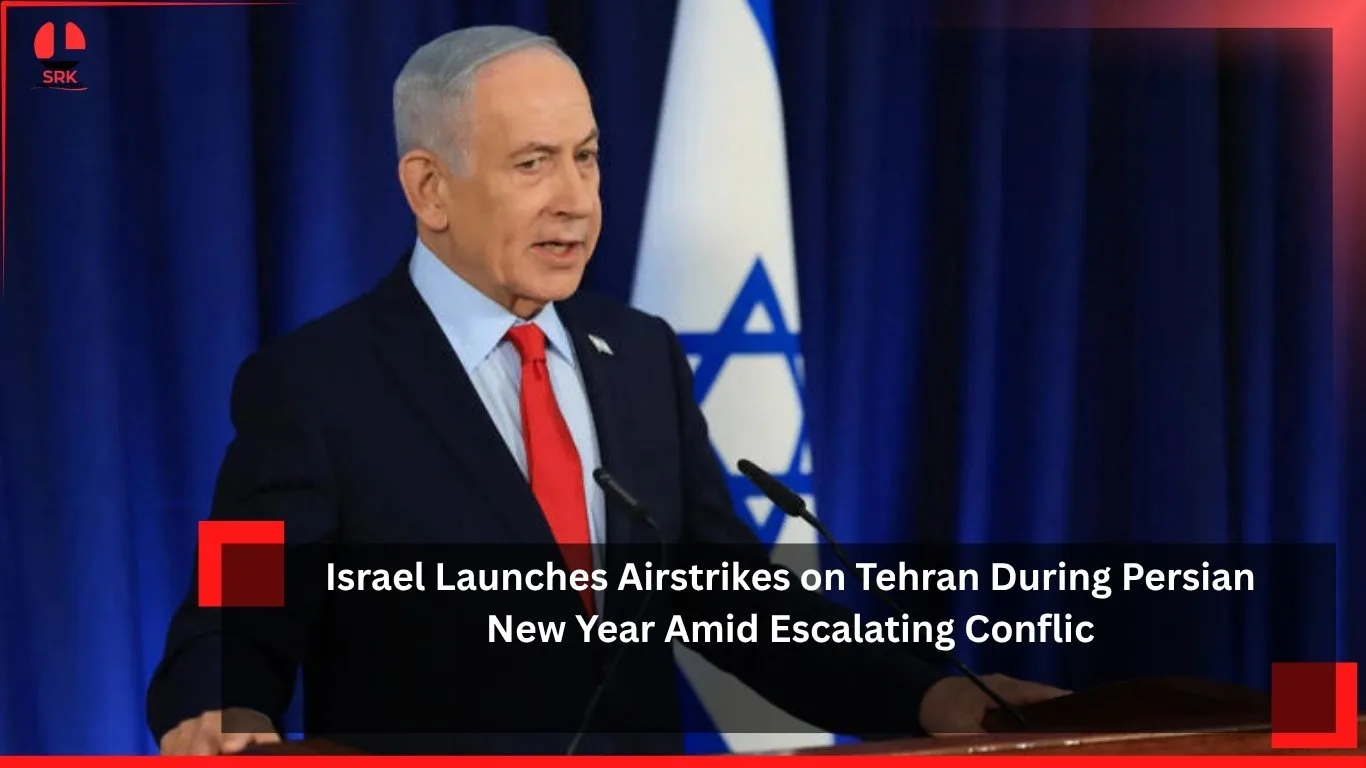
The Middle East has been thrust into heightened turmoil as Israel launched airstrikes on Tehran during the Persian New Year celebrations, a move that has intensified the already volatile conflict between the two nations. The timing of the strikes, coinciding with Nowruz festivities, has amplified the psychological and symbolic impact, leaving both regional and global observers alarmed at the escalation. Analysts warn that the repercussions of this attack could reverberate far beyond the battlefield, affecting diplomacy, energy markets, and global security.
Background of the Escalation
Israel and Iran have long been adversaries, with tensions rooted in ideological, political, and military rivalries. The latest airstrikes mark a significant escalation, targeting Tehran directly rather than peripheral military installations. This bold move underscores Israel’s determination to counter perceived threats from Iran’s nuclear program and regional influence.
Symbolism of the Timing
The strikes coincided with Nowruz, the Persian New Year, a time of cultural celebration and renewal in Iran. By launching attacks during this period, Israel not only inflicted physical damage but also delivered a psychological blow, disrupting festivities and signaling its readiness to strike at the heart of Iran’s identity.
Strategic Objectives Behind the Strikes
- Neutralizing nuclear threats: Targeting facilities linked to uranium enrichment and missile development.
- Demonstrating military superiority: Showcasing Israel’s ability to strike deep into Iranian territory.
- Deterring regional adversaries: Sending a message to Hezbollah, Syria, and other Iran-backed groups.
- Psychological warfare: Undermining morale during a national celebration.
Comparative Analysis of Military Capabilities
| Country | Military Strength | Strategic Focus | Vulnerability |
|---|---|---|---|
| Israel | Advanced air force, missile defense | Preemptive strikes, deterrence | Limited geographic depth |
| Iran | Large conventional forces, proxy networks | Regional influence, nuclear program | Air defense limitations |
| United States | Global military dominance | Strategic support for Israel | Political constraints |
| Gulf States | Modernized forces | Defense against Iran | Reliance on alliances |
Regional Reactions
- Iran: Condemned the strikes as an attack on sovereignty and vowed retaliation.
- Israel: Justified the action as necessary for national security.
- Gulf States: Expressed concern over escalation, fearing spillover effects.
- International community: Called for restraint, warning of global consequences.
Economic Consequences
| Factor | Short-Term Impact | Long-Term Risk |
|---|---|---|
| Oil prices | Immediate spike | Sustained volatility |
| Global markets | Increased uncertainty | Investor flight from risk zones |
| Regional trade | Disruption of supply chains | Decline in economic growth |
| Energy security | Heightened concerns | Push for diversification |
Diplomatic Fallout
The strikes have strained diplomatic relations across the globe:
- United States: Faces pressure to balance support for Israel with calls for de-escalation.
- Europe: Urges restraint, fearing energy disruptions.
- Russia and China: Criticize Israel’s actions, aligning with Iran’s narrative.
- United Nations: Calls for immediate dialogue to prevent further escalation.
Crisis Impact Assessment
| Crisis Type | Short-Term Impact | Long-Term Risk |
|---|---|---|
| Military conflict | Civilian casualties, infrastructure damage | Prolonged regional war |
| Diplomatic relations | Strained alliances | Breakdown of peace efforts |
| Economic stability | Oil price surge | Global recession risk |
| Public morale | Fear and unrest | Deepened hostility |
Future Outlook
The future of the conflict hinges on several factors:
- Iran’s response: Retaliation could escalate into a broader war.
- Israel’s strategy: Continued strikes may provoke international backlash.
- Global diplomacy: Efforts to mediate will determine whether escalation can be contained.
- Energy markets: Stability depends on securing supply chains amid conflict.
Analytical Summary
Israel’s airstrikes on Tehran during Persian New Year represent a turning point in Middle Eastern geopolitics. The timing amplifies the psychological impact, while the direct targeting of Iran’s capital signals a bold escalation. The consequences extend beyond military confrontation, affecting diplomacy, economics, and global security. As both nations brace for the next phase, the world watches anxiously, aware that the conflict could reshape international relations and energy markets for years to come.
Disclaimer
This article is based on publicly available reports and analytical perspectives. It does not represent official statements from the governments of Israel, Iran, or other international authorities. The content is intended for informational purposes only and should not be construed as definitive or authoritative on sensitive geopolitical matters.