
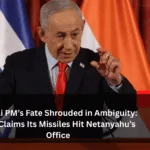
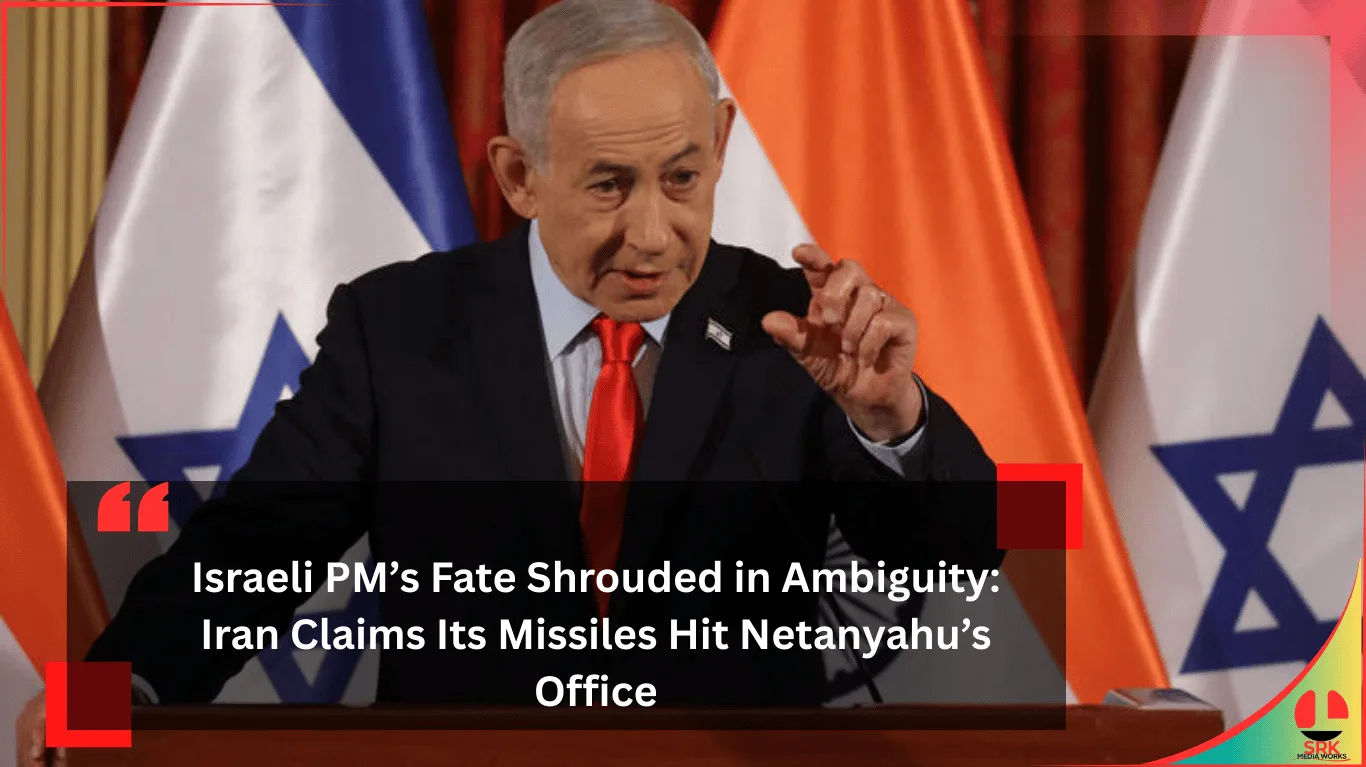
In a dramatic escalation of tensions in West Asia, Iran has claimed that its missiles struck the office of Israeli Prime Minister Benjamin Netanyahu. The assertion has thrown the region into uncertainty, with questions swirling around the fate of Israel’s leadership and the potential for further conflict. While Israel has not officially confirmed the extent of damage or casualties, the incident has already triggered global alarm and intense diplomatic activity.
Context of the Attack
Iran’s missile strike claim comes amid heightened hostilities between Tehran and Tel Aviv. The use of precision missiles targeting high-profile government offices marks a significant escalation in the ongoing confrontation. Israel has maintained silence on the details, fueling speculation about the Prime Minister’s safety and the broader implications for governance.
Key Highlights
- Iran’s Claim: Missiles hit Netanyahu’s office in Jerusalem.
- Israeli Silence: No official confirmation on casualties or damage.
- Global Alarm: US, EU, and UN express concern over escalation.
- Regional Fallout: Heightened fears of retaliatory strikes and wider conflict.
Comparative Analysis of Similar Incidents
| Incident/Period | Target | Claimed Perpetrator | Global Impact |
|---|---|---|---|
| 2019 Drone Strikes on Saudi Aramco | Oil facilities | Iran-backed groups | Oil prices surged |
| 2021 Gaza Conflict | Civilian & military sites | Hamas | Regional instability |
| 2026 Netanyahu’s Office Strike | Government office | Iran | Global alarm, diplomatic crisis |
Pivot Analysis of Sentiment
| Sentiment Category | Impact on Israel | Impact on Iran | Impact on Global Politics |
|---|---|---|---|
| Public Perception | Anxiety – uncertainty over leadership | Nationalist pride – claim of success | Heightened global concern |
| Media Coverage | Extensive – speculation on PM’s fate | Focus on Iran’s boldness | Global headlines dominate |
| Diplomatic Response | Pressure to clarify situation | Condemnation from rivals | Calls for restraint from world powers |
| Military Strategy | Possible retaliation | Strengthened narrative of resistance | Raises risk of escalation |
Why This Matters
The ambiguity surrounding Netanyahu’s fate matters for several reasons:
- Leadership Stability: Israel’s governance could be destabilized if its Prime Minister is incapacitated.
- Regional Security: Escalation could trigger wider conflict across West Asia.
- Global Economy: Oil and trade routes may face disruption.
- Diplomatic Pressure: International community may push for immediate de-escalation.
Challenges Ahead
- For Israel: Clarifying leadership status while preparing for possible retaliation.
- For Iran: Managing global backlash and potential military response.
- For Global Powers: Preventing escalation into full-scale war.
- For Citizens: Coping with uncertainty and fear of conflict.
Opportunities Emerging
- Diplomatic Mediation: Neutral nations could step in to de-escalate tensions.
- Global Dialogue: Renewed focus on conflict resolution and international law.
- Strategic Alliances: Nations may strengthen partnerships to secure regional stability.
- Energy Diversification: Crisis accelerates push for renewable energy worldwide.
Broader Implications
The missile strike claim underscores the fragility of global security and the risks of escalating confrontations:
- Geopolitical Volatility: Regional conflicts can disrupt global stability.
- Energy Dependence: Economies reliant on Gulf oil face immediate risks.
- Diplomatic Challenges: Balancing deterrence with peace remains difficult.
- Public Narratives: Leaders shaping perceptions through bold statements.
Conclusion
Iran’s claim that its missiles hit Netanyahu’s office has plunged Israel and the wider region into uncertainty. With the Prime Minister’s fate shrouded in ambiguity, the incident highlights the fragility of West Asian geopolitics and the urgent need for diplomacy. As global powers call for restraint, the coming days will determine whether the crisis escalates into broader conflict or opens a window for dialogue.
Disclaimer
This article is a journalistic analysis based on publicly available information and geopolitical developments. It does not endorse or oppose any government, leader, or institution. Readers are encouraged to interpret the content as informative coverage and verify facts independently before forming opinions.