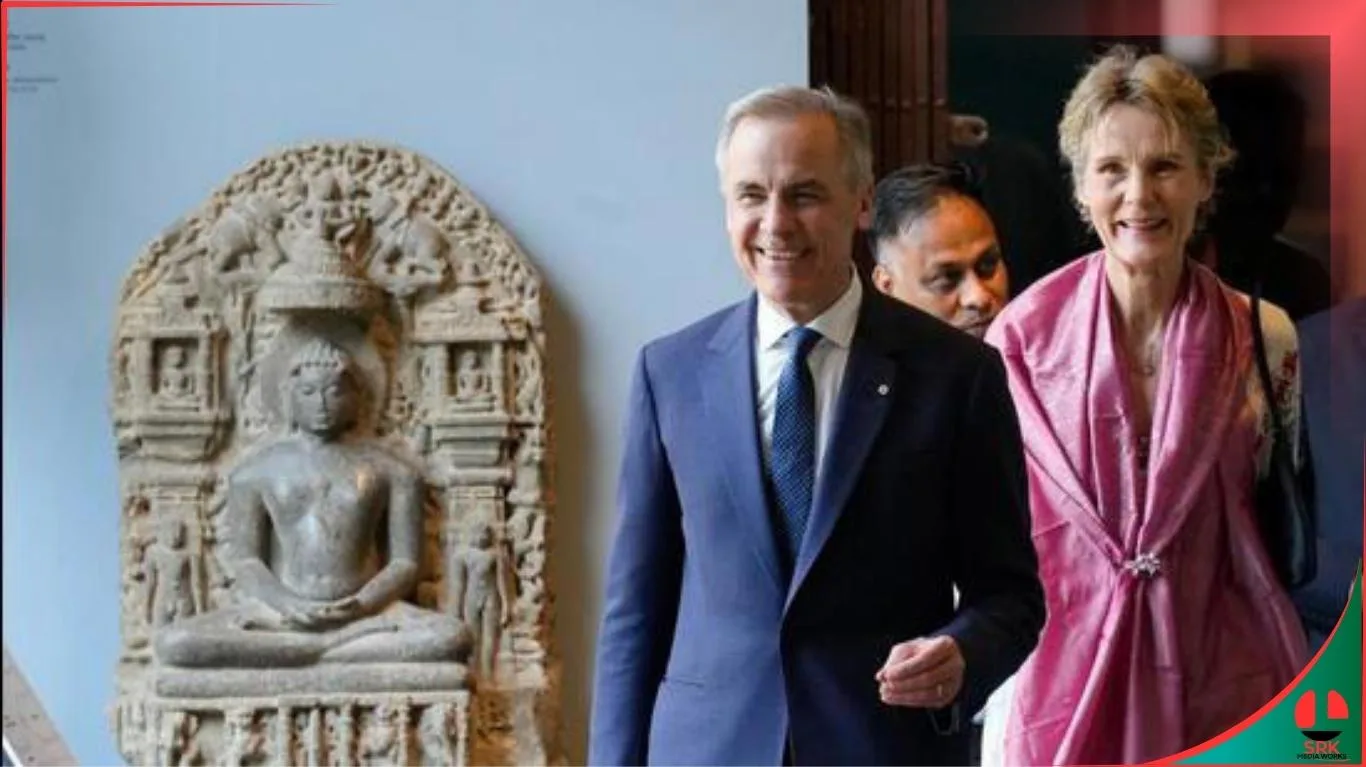




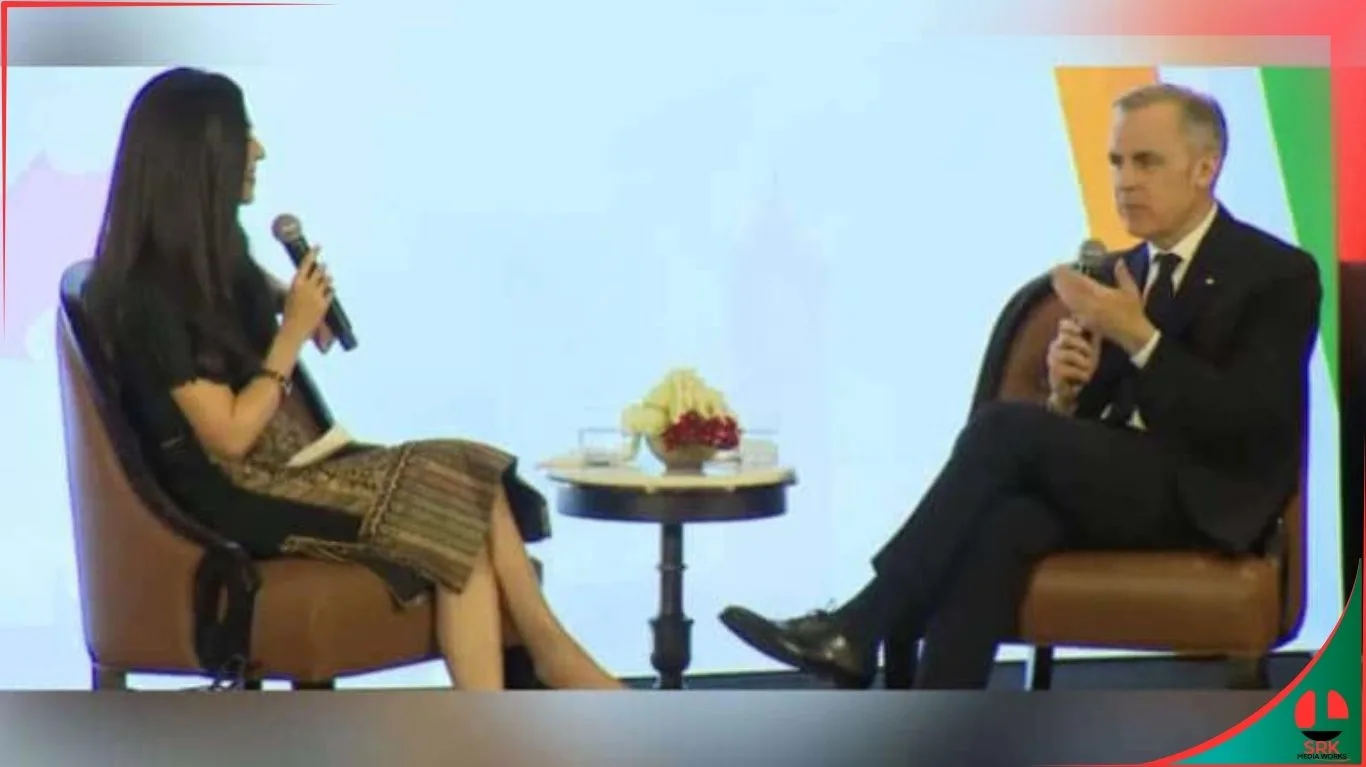
During his official visit to India, Canadian Prime Minister Mark Carney made a striking observation about New Delhi’s global role, stating that India’s trajectory is “totally different” from that of a traditional middle power. Carney emphasized that India’s ambitions and influence extend far beyond the middle-power category, signaling Ottawa’s recognition of India as a rising global leader.
Context of Carney’s Statement
- Diplomatic Reset: Carney’s visit to Mumbai and New Delhi is part of Canada’s effort to recalibrate ties with India after years of strained relations.
- Trade Agenda: Canada aims to finalize a trade deal with India by November 2026, underscoring the importance of economic cooperation.
- Global Positioning: Carney acknowledged India’s growing influence in global supply chains, technology, and geopolitics.
Why India Is Not a ‘Middle Power’
Carney’s remarks highlight several reasons why India’s trajectory differs from traditional middle powers:
- Economic Growth: India is the world’s fastest-growing major economy, with GDP growth consistently outpacing global averages.
- Strategic Autonomy: India balances relations with the US, Russia, and China while pursuing independent foreign policy goals.
- Global Influence: India plays a central role in forums like the G20, BRICS, and Quad, shaping global governance.
- Technology and Innovation: India’s semiconductor mission, digital economy, and AI initiatives position it as a tech powerhouse.
- Demographic Advantage: With the world’s largest youth population, India’s workforce is a key driver of global growth.
Comparative Analysis of Global Powers
| Category | India | Traditional Middle Powers (e.g., Canada, Australia) |
|---|---|---|
| Economic Growth | Fastest-growing major economy | Moderate growth |
| Strategic Autonomy | Independent, multi-aligned | Often aligned with US-led blocs |
| Global Forums | G20, BRICS, Quad leadership | Participation but limited influence |
| Technology | Emerging semiconductor hub | Limited global tech footprint |
| Demographics | Largest youth population | Smaller, aging populations |
Implications of Carney’s Remarks
- Diplomatic Recognition: Canada acknowledges India’s rise beyond middle-power status.
- Trade Opportunities: Sectoral agreements and CEPA negotiations could redefine India–Canada relations.
- Global Balance: India’s trajectory strengthens multipolarity in global politics.
- Strategic Partnerships: Carney’s statement signals Canada’s intent to deepen ties with India in energy, technology, and security.
Public and Expert Reaction
- Indian Analysts: Welcomed Carney’s remarks as validation of India’s global ambitions.
- Canadian Media: Framed the statement as part of Ottawa’s Indo-Pacific strategy.
- Global Observers: Noted that distancing India from the middle-power label reflects a broader recognition of its leadership role.
Conclusion
Prime Minister Mark Carney’s assertion that India’s trajectory is “totally different” from that of a middle power underscores New Delhi’s growing global stature. With economic dynamism, strategic autonomy, and technological innovation, India is increasingly seen as a major power shaping the future of international relations. Carney’s remarks not only reset Canada–India ties but also highlight the broader shift in how the world perceives India’s role.
Disclaimer
This article is based on publicly available information and aims to highlight Canadian Prime Minister Mark Carney’s remarks on India’s global role. It does not intend to criticize or promote any individual, country, or organization. The content is for informational and educational purposes only, reflecting broader issues in diplomacy, trade, and international relations.