




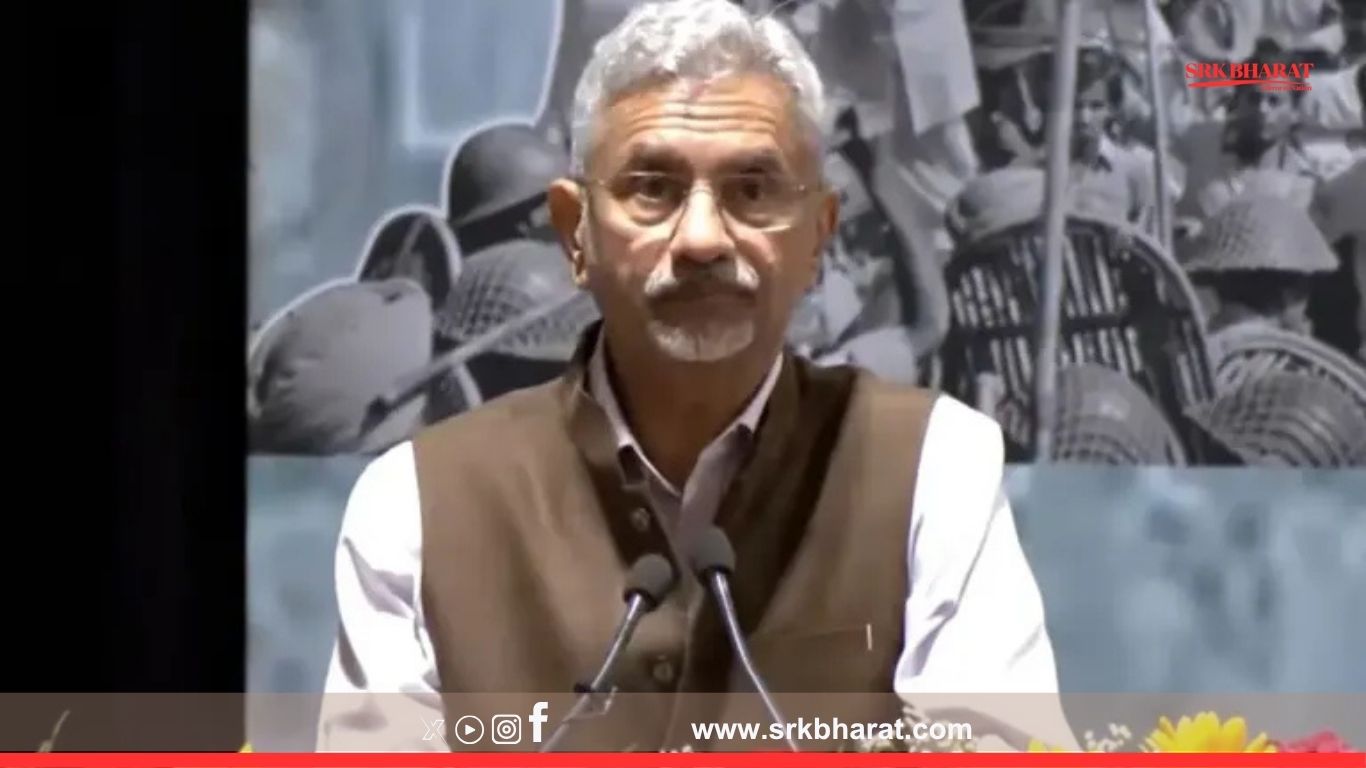
Marking the 50th anniversary of the Emergency, External Affairs Minister S. Jaishankar launched a sharp critique of the Congress party, accusing it of placing the interests of one family above the nation. Speaking at a Mock Parliament event organized by the Bharatiya Janata Yuva Morcha (BJYM) in Delhi, Jaishankar described the 1975–77 Emergency as a “murder of the Constitution” and a dark chapter in India’s democratic history.
🗣️ Key Highlights from Jaishankar’s Remarks
- “The Emergency happened because the interest of a family was put ahead of the interest of the nation,” Jaishankar said, in a veiled reference to the Gandhi family
- He criticized the Congress for never apologizing for the Emergency, even after five decades
- Taking a swipe at Rahul Gandhi, he said, “Holding a copy of the Constitution does not achieve anything. It should be in your heart and mind”
🎬 ‘Kissa Kursi Ka’ and the Power Struggle
- Jaishankar referenced the satirical film “Kissa Kursi Ka”, calling it a symbolic representation of how power was prioritized over democracy during the Emergency
- He emphasized that the period was marked by mass arrests, media censorship, and constitutional amendments aimed at consolidating power
🧠 Educating the Youth on Democratic Values
- The minister urged young Indians to learn from the past, stating that the Emergency was a time when “democracy and the Constitution were murdered”
- He highlighted the importance of preserving civil liberties and upholding national interest above political dynasties
🤝 Bipartisan Unity on Global Stage
- In contrast, Jaishankar praised multi-party delegations, including opposition leaders like Shashi Tharoor and Kanimozhi, for representing India’s stance on terrorism abroad
- He said such unity reflects a mature democracy, unlike the “dark phase” of the Emergency
📌 Why It Matters
- Reignites debate over the legacy of the Emergency and its impact on India’s democratic institutions
- Highlights the ongoing political discourse around dynastic politics and constitutional values
- Serves as a reminder of the fragility of democratic freedoms and the need for vigilance
🔁 Share this article to reflect on India’s democratic journey and the lessons from its most turbulent political chapter.