
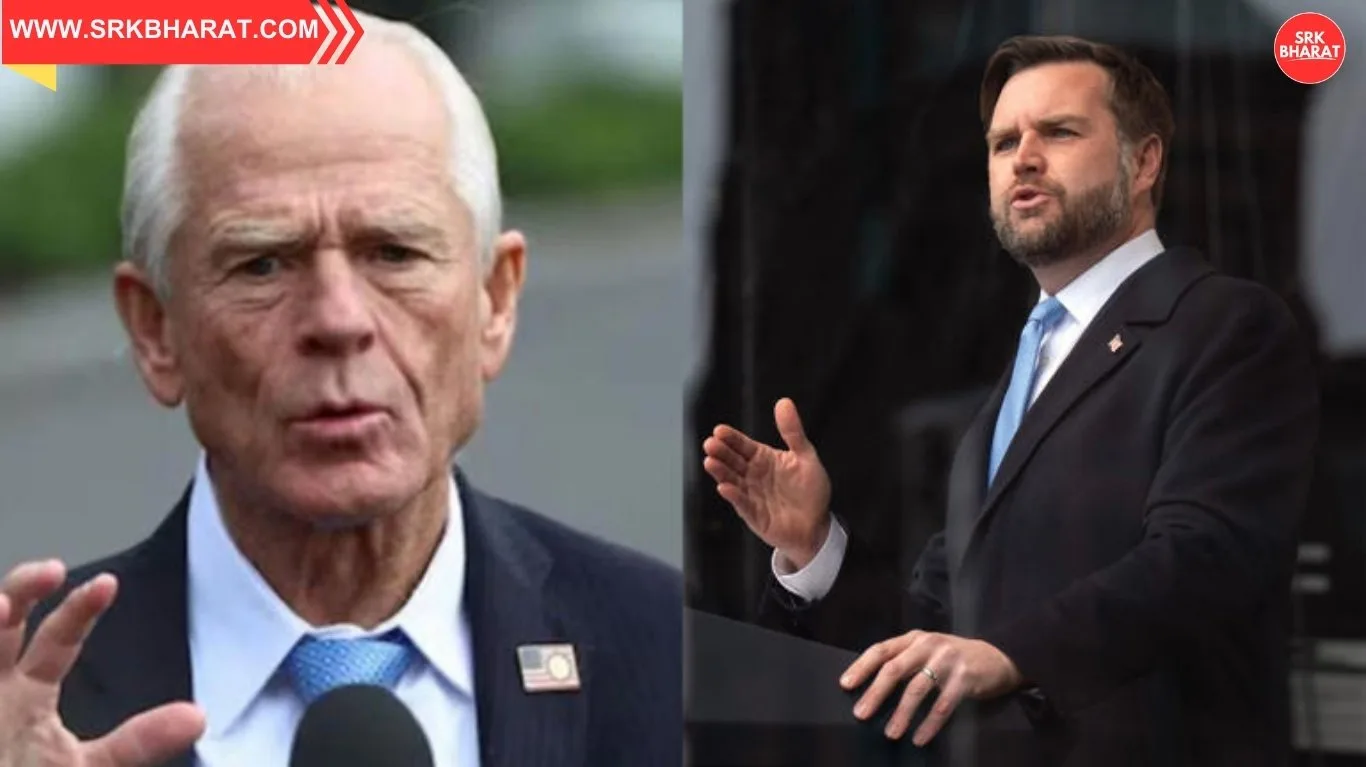
A leaked audio recording has stirred controversy in Washington, with Senator Ted Cruz alleging that JD Vance and former White House trade adviser Peter Navarro played decisive roles in blocking a potential US-India trade deal. The revelation has sparked debate about the future of US-India economic relations, the role of political factions in shaping trade policy, and the broader implications for global commerce.
Background of the Controversy
- The US and India have long discussed a comprehensive trade deal to reduce tariffs and expand market access.
- According to Cruz, internal opposition within the US political establishment derailed progress.
- JD Vance, a prominent political figure, and Navarro, known for his hardline trade positions, allegedly resisted the deal.
- The leaked audio suggests that concerns about domestic industries and geopolitical strategy influenced the decision.
Key Highlights
| Indicator | Details |
|---|---|
| Figures in Focus | JD Vance, Peter Navarro |
| Claim Made By | Senator Ted Cruz |
| Issue | US-India trade deal blocked |
| Trigger Event | Leaked audio recording |
| Broader Context | US-India economic relations, global trade politics |
US Position vs India’s Expectations
| Factor | US Position | India’s Expectation | Implication |
|---|---|---|---|
| Tariff Reductions | Resistance from Vance/Navarro | Lower tariffs on exports | Deal stalled |
| Market Access | Concerns over domestic industries | Expanded access for IT, pharma | Limited progress |
| Geopolitical Strategy | Focus on China containment | Balanced relations | Divergent priorities |
| Public Perception | Political divisions | Desire for stronger ties | Polarized narratives |
| Long-Term Outlook | Uncertain | Growth potential | Strategic recalibration |
Why This Story Matters
- Economic Impact: A US-India trade deal could reshape global commerce.
- Political Dynamics: Highlights internal divisions within US leadership.
- Diplomatic Relations: India seeks stronger ties with the US amid global shifts.
- Public Debate: Sparks discussion on balancing domestic industries with global partnerships.
- Future Outlook: Raises questions about the feasibility of future trade agreements.
Ted Cruz’s Perspective
- Cruz criticized the blocking of the deal, suggesting it undermined US strategic interests.
- He argued that closer economic ties with India are essential for countering China’s influence.
- The leaked audio reveals Cruz’s frustration with colleagues who resisted the agreement.
JD Vance and Navarro’s Position
- Vance and Navarro reportedly opposed the deal due to concerns about US manufacturing and agriculture.
- Navarro has long advocated for protectionist policies, emphasizing domestic industry over global trade.
- Their stance reflects a broader debate within US politics about globalization versus economic nationalism.
Expert Opinions
- Economists: Note that a US-India trade deal could boost both economies but requires compromise.
- Diplomatic Analysts: Emphasize the importance of US-India ties in the Indo-Pacific strategy.
- Critics: Argue that blocking the deal reflects short-term political thinking.
- Supporters of Vance/Navarro: Insist that protecting US industries must remain the priority.
Challenges Ahead
- Political Divisions: Reconciling differing views within US leadership.
- Economic Balance: Ensuring domestic industries are not undermined.
- Diplomatic Sensitivity: Managing India’s expectations without alienating allies.
- Global Competition: Countering China’s growing influence in trade.
- Public Perception: Addressing concerns about globalization and job security.
Opportunities
- Strategic Partnership: Strengthening US-India ties through revised negotiations.
- Economic Growth: Expanding trade in IT, pharmaceuticals, and agriculture.
- Global Positioning: Presenting US-India cooperation as a counterbalance to China.
- Policy Innovation: Crafting trade deals that balance domestic and global interests.
- Public Engagement: Building support for trade through transparent communication.
Broader Context of US-India Relations
- India is a key partner in the Indo-Pacific strategy.
- Trade deals are seen as essential for deepening ties beyond defense cooperation.
- The blocking of the deal reflects ongoing tensions between protectionism and globalization in US politics.
- India continues to seek stronger economic ties with major powers to sustain growth.
Sectoral Breakdown of Impact
| Sector | Impact | Strategic Importance |
|---|---|---|
| Manufacturing | Protected by US stance | Domestic industry focus |
| IT & Services | Limited access | India’s growth sector |
| Agriculture | Tariff concerns | Sensitive industry |
| Diplomacy | Strained negotiations | Strategic partnership |
| Global Trade | Deal stalled | Shifts in alliances |
Media Coverage
- Headlines highlight Cruz’s leaked audio and allegations against Vance and Navarro.
- Analysts debate whether blocking the deal was justified or short-sighted.
- Coverage underscores the importance of US-India economic relations.
- The story dominates discussions in political and economic circles.
Conclusion
The leaked audio revealing Ted Cruz’s claim that JD Vance and Peter Navarro blocked a US-India trade deal underscores the complexities of global trade politics. While India seeks stronger economic ties, internal divisions within US leadership reflect the tension between globalization and protectionism. The controversy raises critical questions about the future of US-India relations and the broader trajectory of international commerce.
Disclaimer
This article is intended for informational purposes only and does not constitute political or financial advice. Statements, policies, and outcomes are subject to change based on evolving circumstances. Readers are encouraged to follow official updates for accurate information. The author and publisher are not responsible for any decisions made based on this article.