





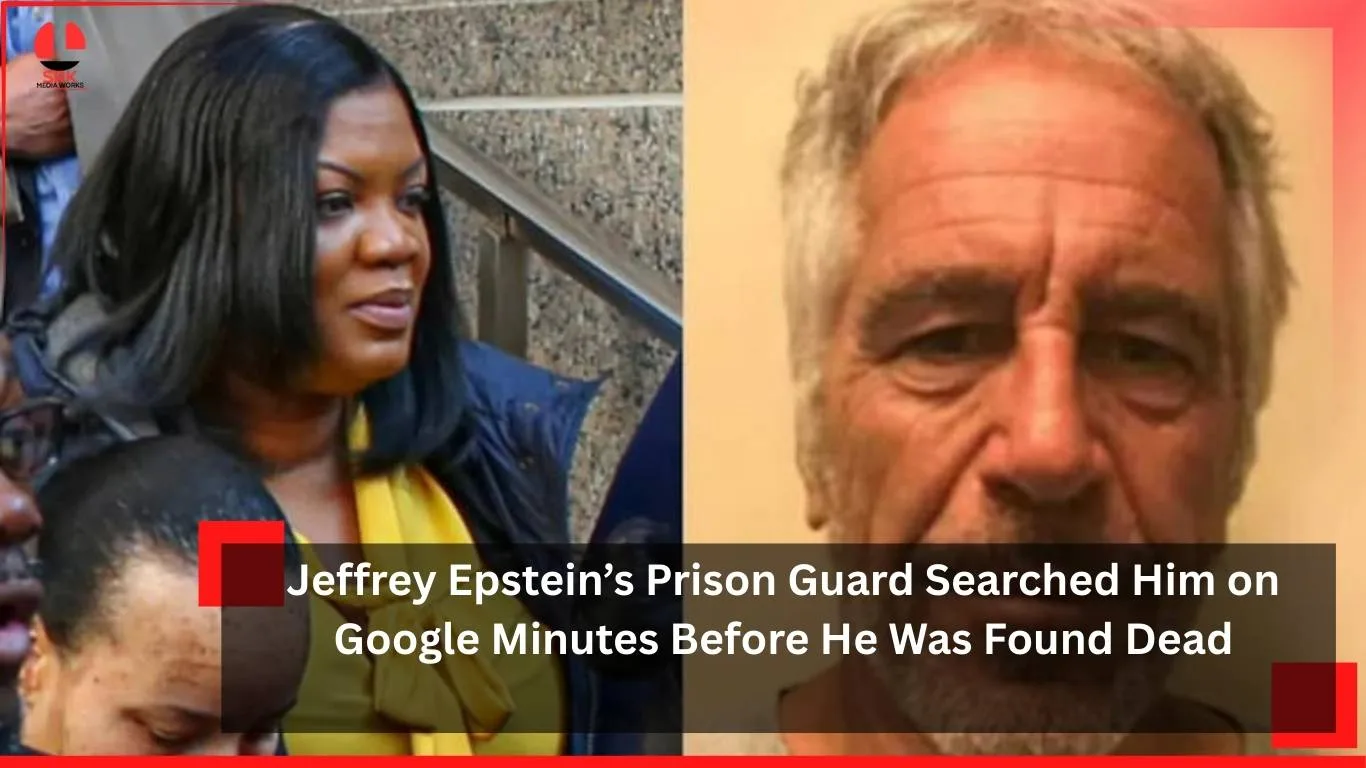
The mysterious death of financier Jeffrey Epstein inside a federal prison continues to spark controversy, with new revelations adding fuel to the fire. Reports now suggest that one of Epstein’s prison guards searched his name on Google just minutes before he was discovered dead in his cell. This detail has reignited debates about negligence, accountability, and the broader implications of Epstein’s case, which has long been surrounded by conspiracy theories and public scrutiny.
The New Revelation
According to investigative findings, a correctional officer at the Metropolitan Correctional Center (MCC) in New York reportedly used Google to search “Jeffrey Epstein” shortly before Epstein was found unresponsive. This revelation raises serious questions about the guard’s awareness of Epstein’s high-profile status and whether proper monitoring protocols were followed.
The timing of the search—occurring just minutes before Epstein’s death—has intensified suspicions about the circumstances surrounding the incident.
Background of Epstein’s Case
Jeffrey Epstein was a financier with powerful connections across politics, business, and entertainment. Arrested in July 2019 on charges of sex trafficking minors, his case drew global attention due to the involvement of high-profile figures.
Epstein’s death in August 2019 was officially ruled a suicide, but the unusual circumstances—including broken cameras, inattentive guards, and procedural lapses—have fueled widespread speculation.
Why the Google Search Matters
The revelation of the guard’s Google search is significant for several reasons:
- Timing: The search occurred minutes before Epstein’s death was discovered.
- Protocol Breach: Guards are expected to monitor inmates directly, not search them online.
- Suspicion: Raises questions about whether the guard anticipated or was aware of Epstein’s condition.
- Public Trust: Adds to the perception of negligence or possible foul play.
Comparative Analysis of Prison Oversight Failures
| Case | Year | Key Failure | Public Reaction |
|---|---|---|---|
| Jeffrey Epstein | 2019 | Guard negligence, broken cameras | Global outrage, conspiracy theories |
| Whitey Bulger | 2018 | Inmate transfer mishandling | Criticism of prison system |
| Kalief Browder | 2015 | Solitary confinement abuse | Calls for reform |
| Abu Ghraib Scandal | 2004 | Abuse of detainees | International condemnation |
Pivot Analysis of Epstein’s Death
| Dimension | Official Narrative | Public Perception | Impact |
|---|---|---|---|
| Cause of Death | Suicide | Possible foul play | Ongoing debate |
| Guard Behavior | Negligence | Suspicious actions | Erosion of trust |
| Institutional Oversight | Procedural lapses | Systemic failure | Calls for reform |
| Global Impact | Case closed legally | Conspiracies persist | Cultural fascination |
Broader Implications
The Epstein case highlights systemic issues in prison management and accountability:
- Negligence: Guards failing to monitor high-profile inmates.
- Transparency: Lack of clear communication fuels speculation.
- Reform Needs: Calls for stricter oversight in federal prisons.
- Public Distrust: High-profile cases amplify skepticism about justice systems.
Social Media and Public Reaction
The revelation about the Google search has reignited discussions online. Social media users have expressed outrage, with many suggesting that the detail adds credibility to theories of foul play. Memes, debates, and investigative threads continue to circulate, keeping Epstein’s case alive in public discourse years after his death.
Conclusion
Jeffrey Epstein’s death remains one of the most controversial incidents in recent history. The revelation that a prison guard searched his name on Google minutes before he was found dead adds another layer of suspicion and raises serious questions about negligence and accountability.
While official investigations concluded suicide, the inconsistencies and unusual details ensure that Epstein’s case will continue to be debated for years to come. The latest revelation underscores the need for transparency, reform, and vigilance in handling high-profile inmates.
Disclaimer
This article is a journalistic analysis based on publicly available reports and commentary. It does not represent endorsement of any theory or viewpoint. Readers are encouraged to interpret the content as part of ongoing discussions about justice, accountability, and institutional reform.