




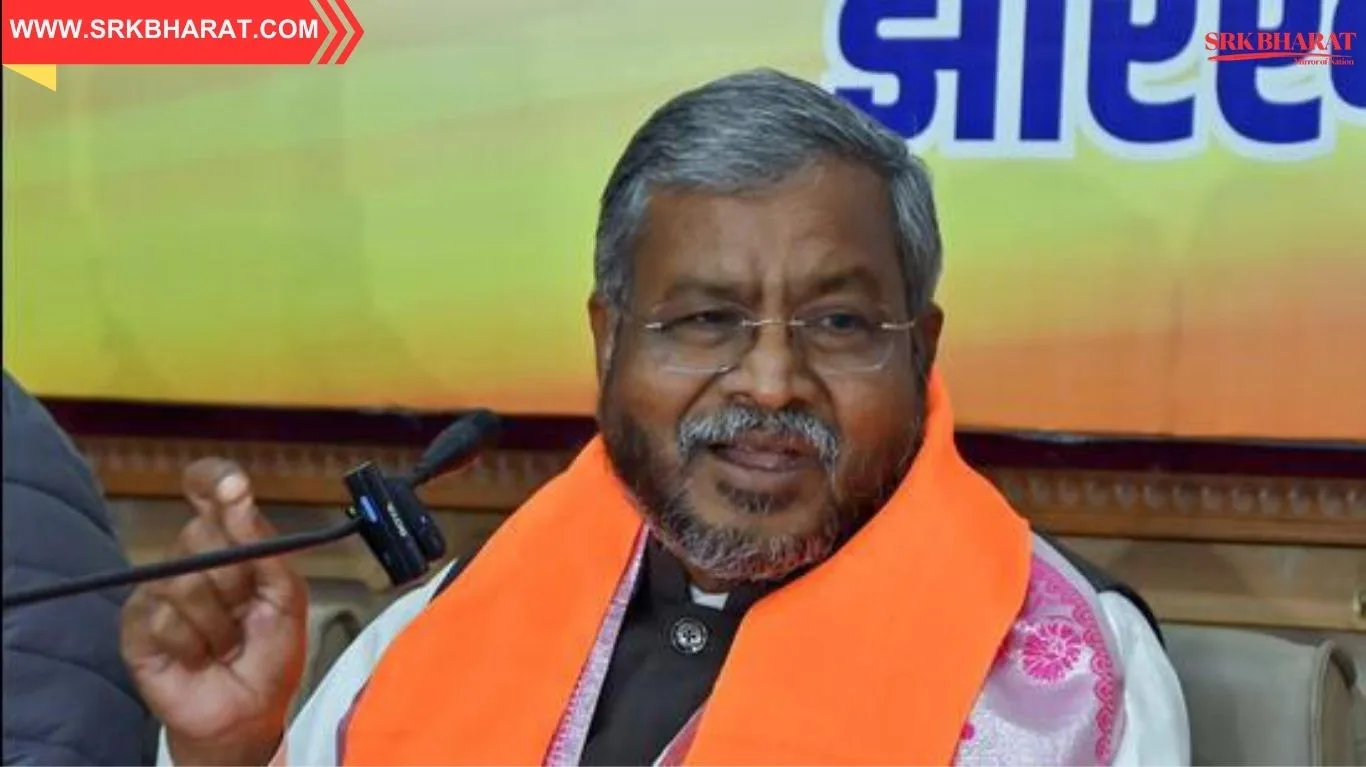
In a strong statement aimed at enhancing transparency and accountability in governance, Jharkhand BJP chief Babulal Marandi has called for the introduction of a new law to probe the assets of government officers’ relatives. His demand has sparked widespread debate in political and administrative circles, with many viewing it as a bold step toward curbing corruption and ensuring integrity in public service.
Background of the Demand
- Babulal Marandi, the first Chief Minister of Jharkhand and current BJP state president, has consistently raised issues of governance and accountability.
- His latest proposal focuses on investigating the assets of relatives of government officers, arguing that corruption often manifests through indirect channels.
- Marandi emphasized that while officers themselves may declare assets, their relatives often accumulate wealth disproportionate to known sources of income.
- The demand comes at a time when Jharkhand has witnessed several high-profile corruption cases, intensifying calls for systemic reforms.
Key Highlights of Marandi’s Proposal
| Indicator | Details |
|---|---|
| Leader Involved | Babulal Marandi, BJP Chief of Jharkhand |
| Proposal | Law to probe assets of officers’ relatives |
| Objective | Enhance transparency, curb corruption |
| Context | Rising concerns over disproportionate wealth |
| Broader Impact | Political debate, administrative accountability |
Impact of Proposed Law
| Factor | Officers | Relatives | Public | Government |
|---|---|---|---|---|
| Accountability | Increased scrutiny | Assets under investigation | Greater trust | Stronger governance |
| Transparency | Mandatory disclosures | Wealth examined | Confidence in system | Reduced corruption |
| Legal Implications | Stricter compliance | Possible legal cases | Awareness of rights | Judicial workload |
| Political Impact | Pressure on bureaucracy | Reduced misuse of influence | Public support | Policy credibility |
| Economic Effect | Discourages illicit wealth | Limits hidden assets | Encourages fair practices | Boosts investment climate |
Why This Proposal Matters
- Curbing Hidden Wealth: Relatives are often used as proxies to hide illicit earnings, making scrutiny essential.
- Strengthening Governance: A law of this nature would reinforce the credibility of administrative systems.
- Public Confidence: Citizens would gain trust in government institutions if transparency is ensured.
- Political Messaging: The demand positions Marandi as a leader focused on clean governance.
Details of the Proposed Law
| Attribute | Details |
|---|---|
| Scope | Assets of officers’ immediate and extended relatives |
| Mechanism | Independent investigative agencies to probe wealth |
| Compliance | Mandatory asset declarations |
| Penalties | Legal action for disproportionate assets |
| Oversight | Judicial and parliamentary monitoring |
The law would require relatives of officers to disclose assets, with investigative agencies empowered to probe discrepancies.
Expert Opinions
- Legal Experts: Stress the need for clear definitions to avoid misuse of the law.
- Economists: Highlight the potential to discourage black money and promote fair practices.
- Political Analysts: View Marandi’s demand as a strategic move to strengthen BJP’s anti-corruption stance.
- Citizens: Express support for stricter measures against corruption.
Challenges Ahead
- Implementation: Ensuring fair and unbiased investigations.
- Legal Complexity: Defining the scope of relatives and assets.
- Political Resistance: Opposition from bureaucratic and political circles.
- Judicial Burden: Increased workload for courts handling asset-related cases.
Opportunities for Jharkhand
- Enhanced Transparency: Strengthen governance and public trust.
- Economic Growth: Discourage corruption, attract investments.
- Political Credibility: Position Jharkhand as a model for accountability.
- Public Empowerment: Citizens gain confidence in administrative systems.
- National Impact: Could inspire similar laws across India.
Broader Context of Anti-Corruption Measures in India
- India has witnessed several anti-corruption movements, from the Lokpal Bill to state-level reforms.
- Jharkhand, with its history of corruption scandals, stands to benefit significantly from stricter laws.
- Marandi’s proposal aligns with broader national efforts to promote transparency and accountability.
- If implemented, the law could set a precedent for other states to follow.
Public Sentiment
- Citizens welcomed Marandi’s demand, viewing it as a step toward clean governance.
- Social media discussions reflected strong support for probing relatives’ assets.
- Critics cautioned against potential misuse of the law for political vendettas.
- Overall sentiment remains positive, with calls for swift legislative action.
Conclusion
The demand by Jharkhand BJP chief Babulal Marandi for a law to probe the assets of officers’ relatives represents a bold move in the fight against corruption. By targeting hidden wealth channels, the proposal seeks to strengthen governance, enhance transparency, and restore public trust. While challenges remain in implementation and legal clarity, the initiative has the potential to transform Jharkhand’s administrative landscape and inspire similar reforms across India.
Disclaimer
This article is intended for informational purposes only and does not constitute legal or political advice. Proposals, legislative actions, and public sentiments are subject to change based on evolving circumstances. Readers are encouraged to follow official updates for accurate information. The author and publisher are not responsible for any decisions made based on this article.