


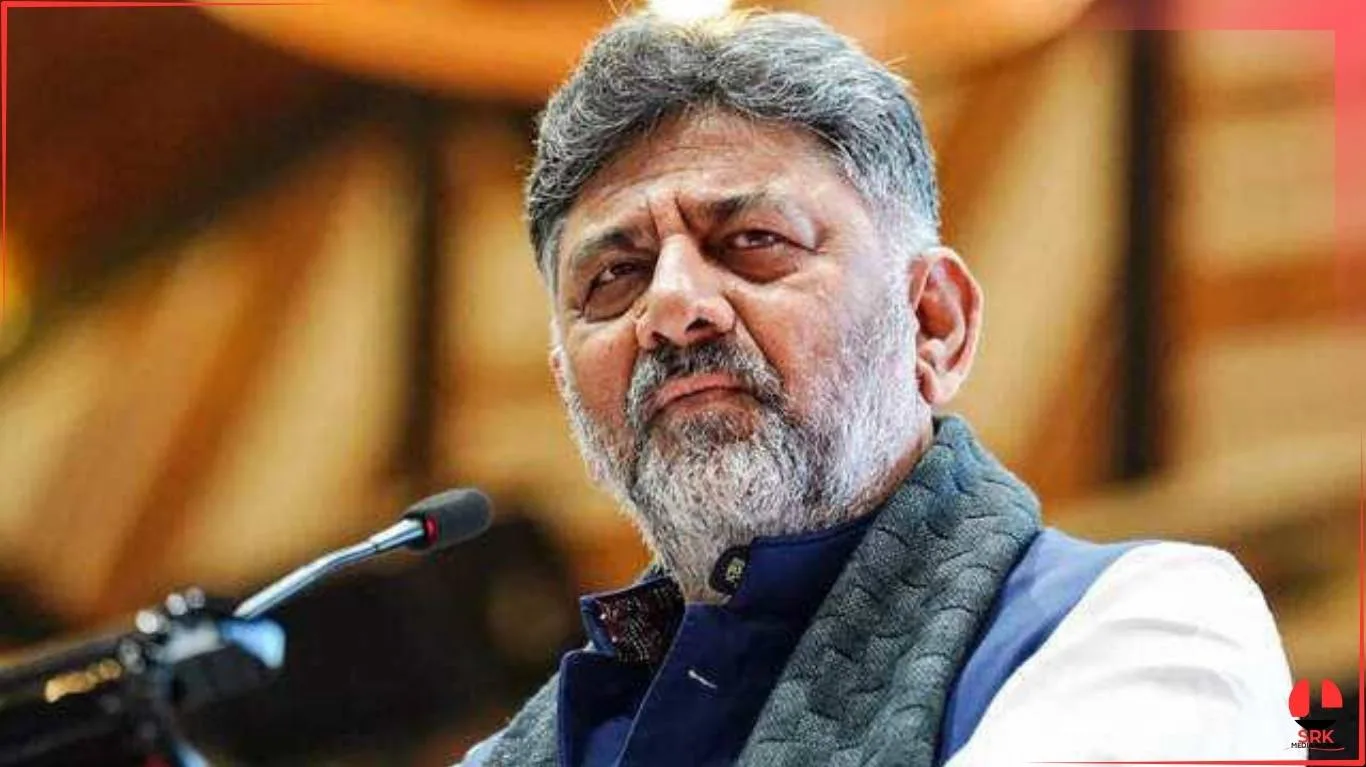
The Congress party in Karnataka finds itself at a decisive moment as internal leadership disputes intensify, threatening to reshape the state’s political landscape. The ongoing tussle between senior leaders has reached a critical juncture, with factions within the party pushing for clarity on who will lead the organization in the run-up to future elections. This development has sparked widespread debate, drawing attention from political observers, party workers, and the public alike.
Background of the Dispute
The Congress party in Karnataka has historically been a strong force, but leadership disputes have often weakened its organizational strength. The current conflict revolves around differences between senior leaders over strategy, representation, and the balance of power within the party. With upcoming electoral challenges, the dispute has taken on greater urgency.
Key Highlights
- Factionalism: Rival groups within the party are vying for dominance.
- Leadership Question: Calls for clarity on who will lead the party in Karnataka.
- Electoral Stakes: The dispute comes ahead of crucial state and national elections.
- Public Perception: Voters are closely watching how Congress resolves its internal issues.
Comparative Analysis of Leadership Styles
| Leader/Faction | Leadership Approach | Strengths | Challenges |
|---|---|---|---|
| Senior Leadership | Traditional, consensus-driven | Experience, grassroots networks | Resistance to change |
| Emerging Leaders | Modern, aggressive campaigning | Youth appeal, digital outreach | Lack of organizational depth |
| Neutral Voices | Mediation-focused | Bridge-building | Limited influence in decision-making |
Analysis of Political Sentiment
| Sentiment Category | Impact on Congress | Impact on Karnataka Politics | Impact on National Politics |
|---|---|---|---|
| Supporter Morale | Divided – factions create uncertainty | Weakens Congress’s state presence | Reduces opposition unity |
| Media Coverage | Extensive – highlights internal rift | Focus on instability | National narrative of Congress challenges |
| Opposition Strategy | BJP and regional parties gain advantage | Strengthens rivals | Alters opposition balance |
| Voter Perception | Seen as disorganized | May shift votes to rivals | Questions Congress’s national readiness |
Challenges Ahead
The Congress party faces several challenges in resolving the dispute:
- Unity: Ensuring factions come together under a single leadership.
- Electoral Strategy: Crafting a coherent plan for upcoming elections.
- Public Confidence: Rebuilding trust among voters.
- Opposition Pressure: Countering BJP’s strong organizational presence in Karnataka.
Opportunities for Congress
Despite the dispute, Congress has opportunities to strengthen itself:
- Youth Engagement: Harnessing the energy of younger leaders.
- Policy Focus: Emphasizing governance and development issues.
- Alliance Building: Collaborating with regional parties to counter rivals.
- Digital Campaigns: Expanding outreach through technology and social media.
Broader Implications
The leadership dispute in Karnataka has implications beyond the state:
- National Opposition: Congress’s ability to present a united front nationally depends on resolving state-level disputes.
- Electoral Dynamics: Karnataka’s political balance could influence national outcomes.
- Public Narrative: The dispute shapes perceptions of Congress’s organizational strength.
Conclusion
The Karnataka Congress leadership dispute has reached a critical juncture, with the party’s future direction hanging in the balance. How the party resolves this conflict will determine not only its prospects in Karnataka but also its role in national politics. Unity, clarity, and strategic vision are essential if Congress is to overcome internal challenges and present itself as a credible alternative in upcoming elections.
Disclaimer
This article is a journalistic analysis based on publicly available information and political developments. It does not endorse or oppose any political party or leader. Readers are encouraged to interpret the content as informative coverage and verify facts independently before forming opinions.