
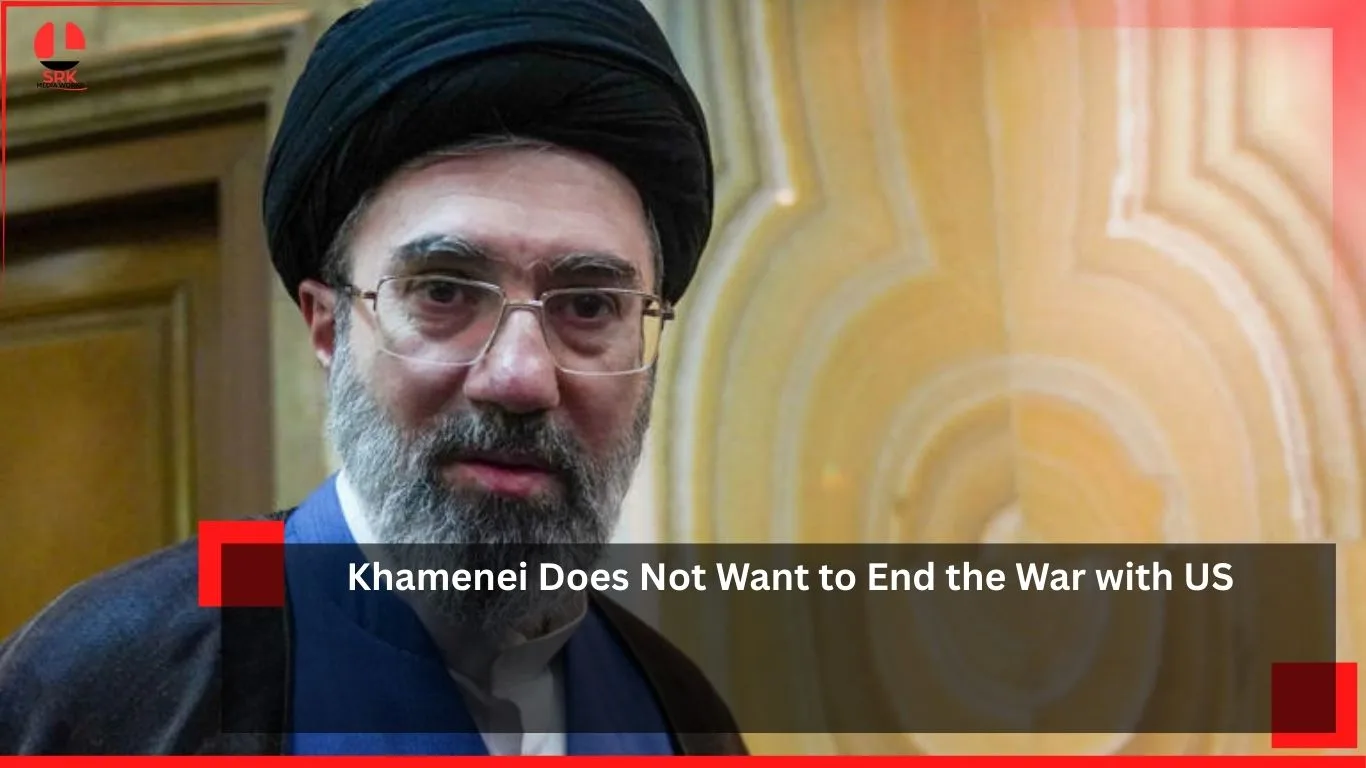
The ongoing confrontation between Iran and the United States has taken on new dimensions, with Ayatollah Ali Khamenei’s stance signaling a continuation of hostilities rather than a path toward resolution. His rhetoric and strategic positioning suggest that Tehran views the conflict as part of a broader ideological struggle, deeply rooted in decades of resistance against Western influence.
Background
Since the 1979 revolution, Iran’s leadership has consistently opposed Washington’s policies in the Middle East. Khamenei has repeatedly emphasized that compromise with the United States undermines the principles of the revolution. His speeches often frame the conflict as a matter of sovereignty, dignity, and resistance, making reconciliation difficult.
The US-Israel war has further complicated matters. Tehran’s support for regional proxy groups and its alignment with anti-Israel forces have placed it at the center of escalating tensions. For Riyadh, Cairo, and other regional capitals, this posture has created new challenges in balancing diplomacy with security.
Why This Matters
- Regional Security: The continuation of hostilities increases instability across the Gulf and Levant.
- Energy Markets: Oil prices remain volatile due to fears of escalation.
- Diplomatic Relations: Iran’s refusal to compromise complicates negotiations with global powers.
- Global Alliances: The conflict influences BRICS, OPEC, and other multilateral frameworks.
Key Highlights
| Aspect | Details |
|---|---|
| Leader’s Position | No compromise with Washington |
| Turning Point | Escalation after US-Israel war |
| Impact | Proxy conflicts, strained diplomacy |
| Regional Effect | Gulf instability, energy volatility |
| Global Implications | Challenges for alliances and mediation |
Comparative Analysis of Leadership Strategies
| Country | Approach Toward Conflict | Public Rhetoric | Diplomatic Reality |
|---|---|---|---|
| Iran | Resistance and defiance | Strong anti-US language | Limited backchannel talks |
| Saudi Arabia | Engagement + deterrence | Balanced rhetoric | Strategy weakened |
| Qatar | Dialogue + mediation | Neutral language | Maintains neutrality |
| Egypt | Security alignment | Defensive rhetoric | Strengthened defense posture |
This comparison shows how different regional powers respond to escalating tensions, with Iran maintaining the most uncompromising stance.
Public Reactions
- Supporters of Resistance: Applaud Khamenei’s refusal to compromise, seeing it as a defense of sovereignty.
- Critics: Argue that continued hostility harms Iran’s economy and isolates the nation.
- Neutral Analysts: Suggest that strong rhetoric may mask ongoing indirect negotiations.
Stakeholder Breakdown
| Stakeholder | Position | Impact |
|---|---|---|
| Khamenei | Refuses compromise | Reinforces ideological stance |
| Iranian Citizens | Divided | Economic strain vs. national pride |
| US Government | Maintains pressure | Reinforces sanctions and deterrence |
| Regional Allies | Observe closely | Adjust strategies accordingly |
| Global Markets | React to instability | Oil price volatility |
Broader Impact
The refusal to end hostilities underscores the challenges of balancing ideology with pragmatism. For Iran, the conflict is not just about geopolitics—it is about preserving revolutionary identity. For the United States, it is about maintaining influence and security in the region.
The global impact is felt through energy markets, diplomatic negotiations, and the shifting balance of power in multilateral organizations.
Conclusion
Khamenei’s stance against ending the conflict with Washington highlights the enduring ideological divide between Tehran and the West. While strong rhetoric reinforces domestic unity and regional influence, it also complicates diplomacy and prolongs instability.
The coming months will be critical in determining whether indirect negotiations can soften this position or whether the confrontation will continue to escalate, reshaping the future of Middle Eastern geopolitics.
Disclaimer
This article is intended for informational purposes only and does not constitute political or strategic advice. The content is based on publicly available information and analysis at the time of writing. Readers are encouraged to consider multiple perspectives before forming conclusions on sensitive geopolitical issues.