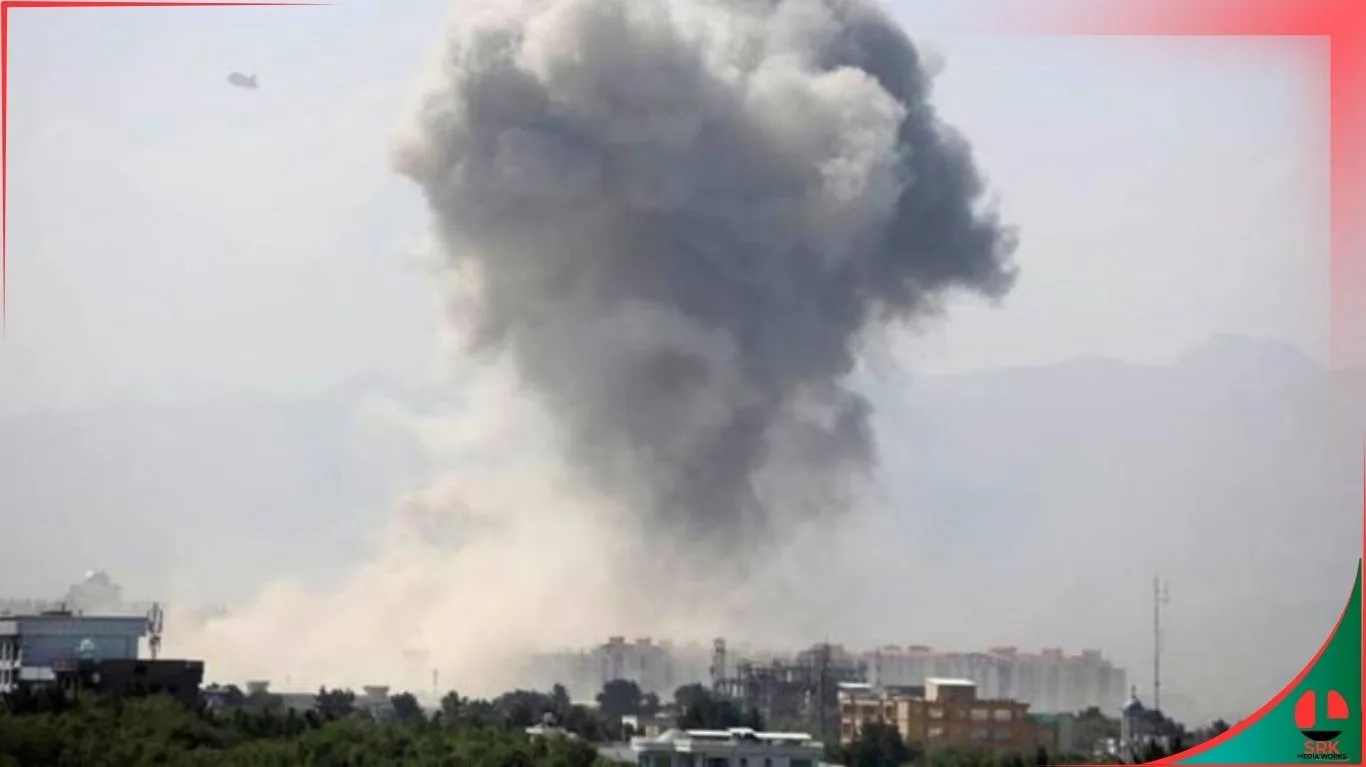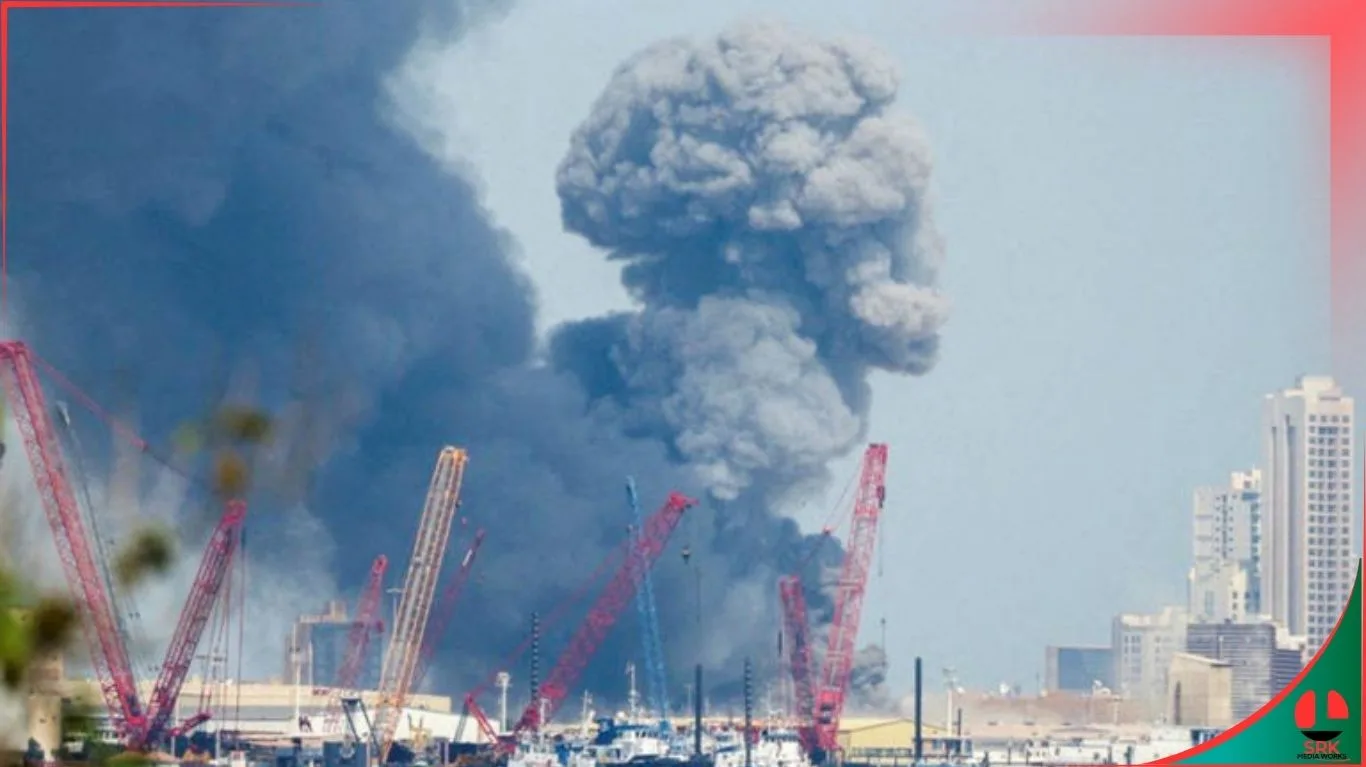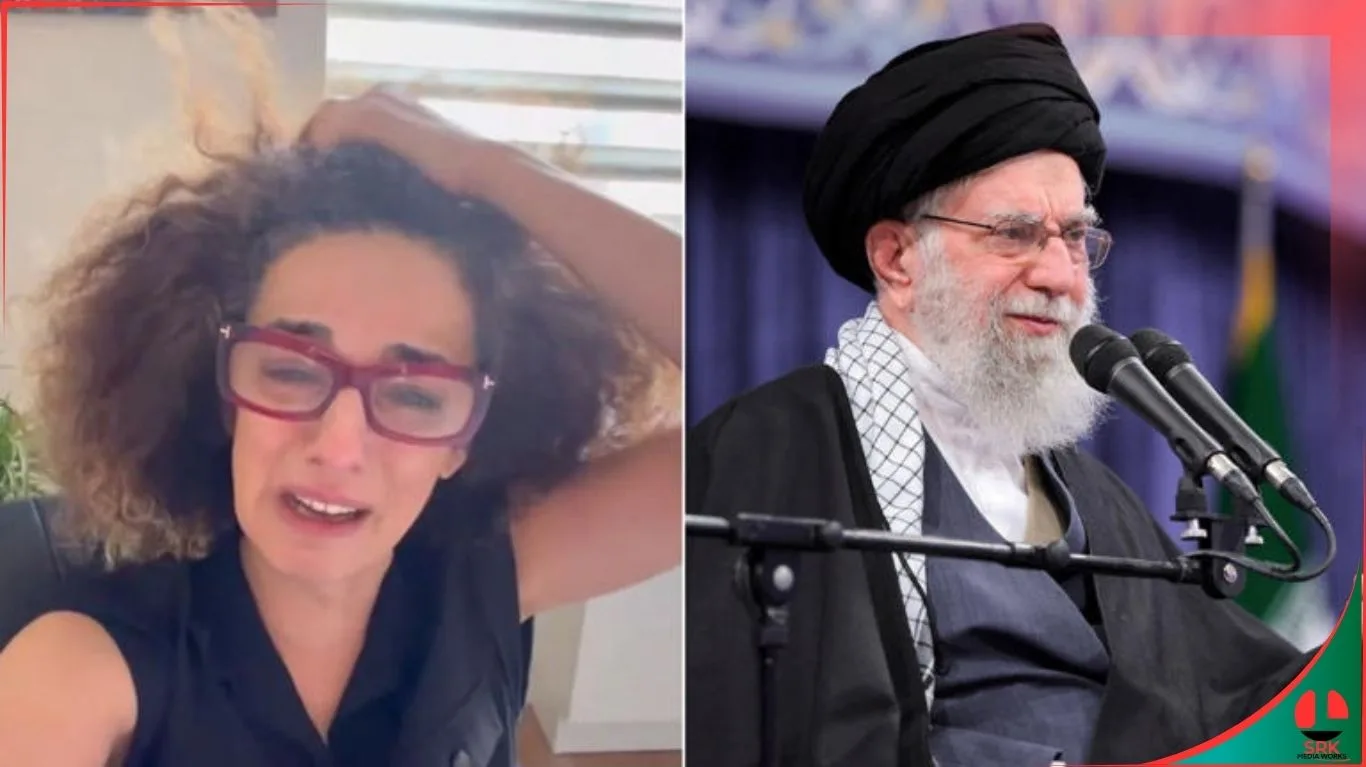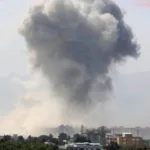



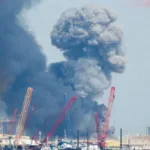

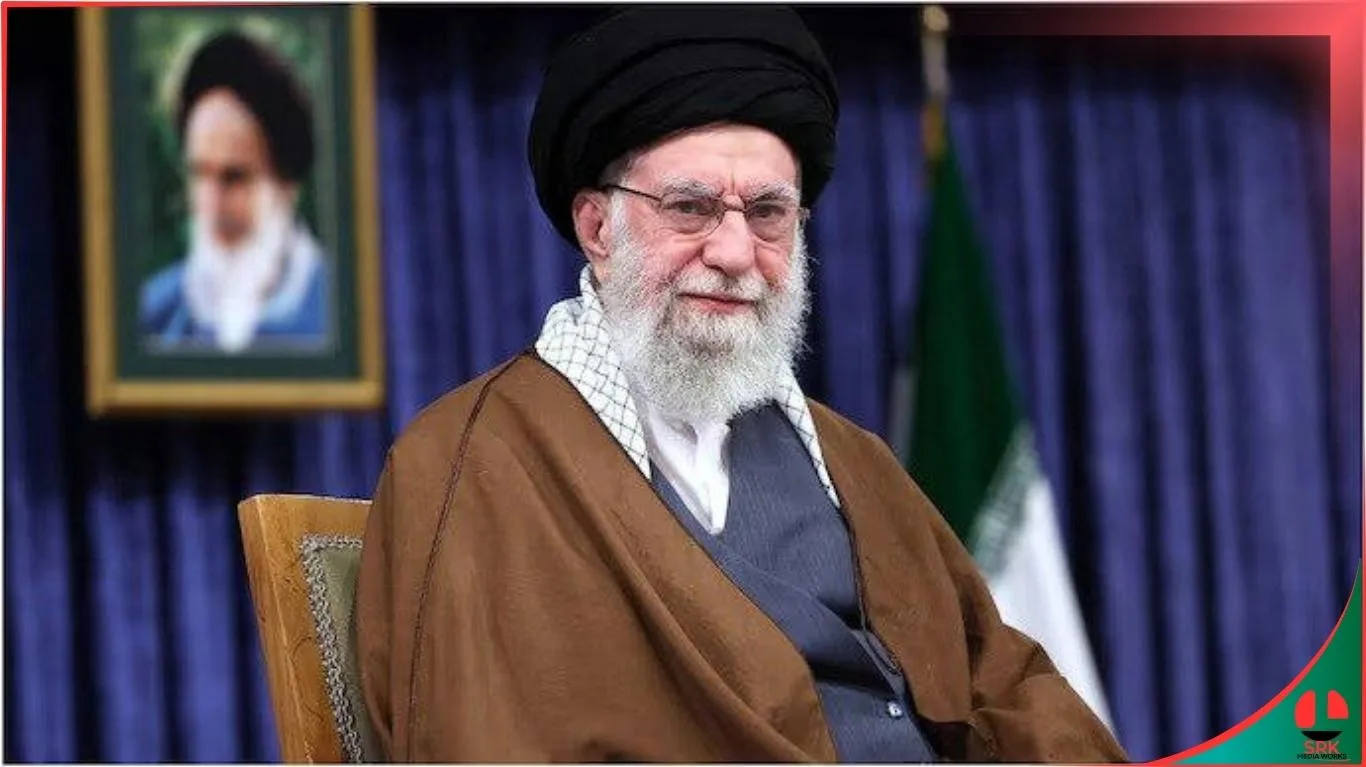
The escalating conflict between Iran, the United States, and Israel has taken a dramatic turn with reports that Iran’s Supreme Leader Ayatollah Ali Khamenei’s son-in-law and daughter-in-law were killed in overnight strikes on Tehran. A member of the Tehran City Council confirmed the deaths, stating that the joint US-Israel operation targeted strategic military infrastructure but also struck residential compounds linked to senior regime figures.
Details of the Strikes
- Targeted Areas: Multiple sites in and around Tehran were hit, including compounds associated with Iran’s leadership.
- Casualties: Alongside Khamenei’s relatives, Iranian officials reported civilian casualties and damage to government buildings.
- Scale of Attack: Reports suggest that 30 bombs struck Khamenei’s compound, marking one of the most direct assaults on Iran’s ruling elite.
Public Reaction in Iran
- State Media Coverage: Iranian television aired footage of mourners gathering outside mosques and government offices.
- Clerical Response: Senior clerics called for national unity and vowed retaliation against US and Israeli forces.
- Civilian Fear: Explosions across Tehran triggered panic, with emergency services deployed to affected areas.
Comparative Analysis of Leadership Targeting
| Target | Impact | Symbolism | Risks |
|---|---|---|---|
| Military Infrastructure | Weakens Iran’s defense | Strategic blow | Escalation of war |
| Civilian Areas | Collateral damage | Humanitarian crisis | International condemnation |
| Leadership Compounds | Direct hit on ruling elite | Psychological impact | Risk of regime instability |
Implications for Iran’s Leadership
The deaths of Khamenei’s relatives carry both symbolic and strategic weight:
- Psychological Blow: Strikes on the Supreme Leader’s family highlight vulnerabilities at the highest level.
- Political Fallout: Could intensify calls within Iran for stronger retaliation.
- International Messaging: Demonstrates US-Israel willingness to target regime-linked sites directly.
Regional and Global Impact
- Middle East Stability: The strikes risk widening the conflict across the Gulf.
- Energy Security: Oil markets reacted with volatility amid fears of disruption in the Strait of Hormuz.
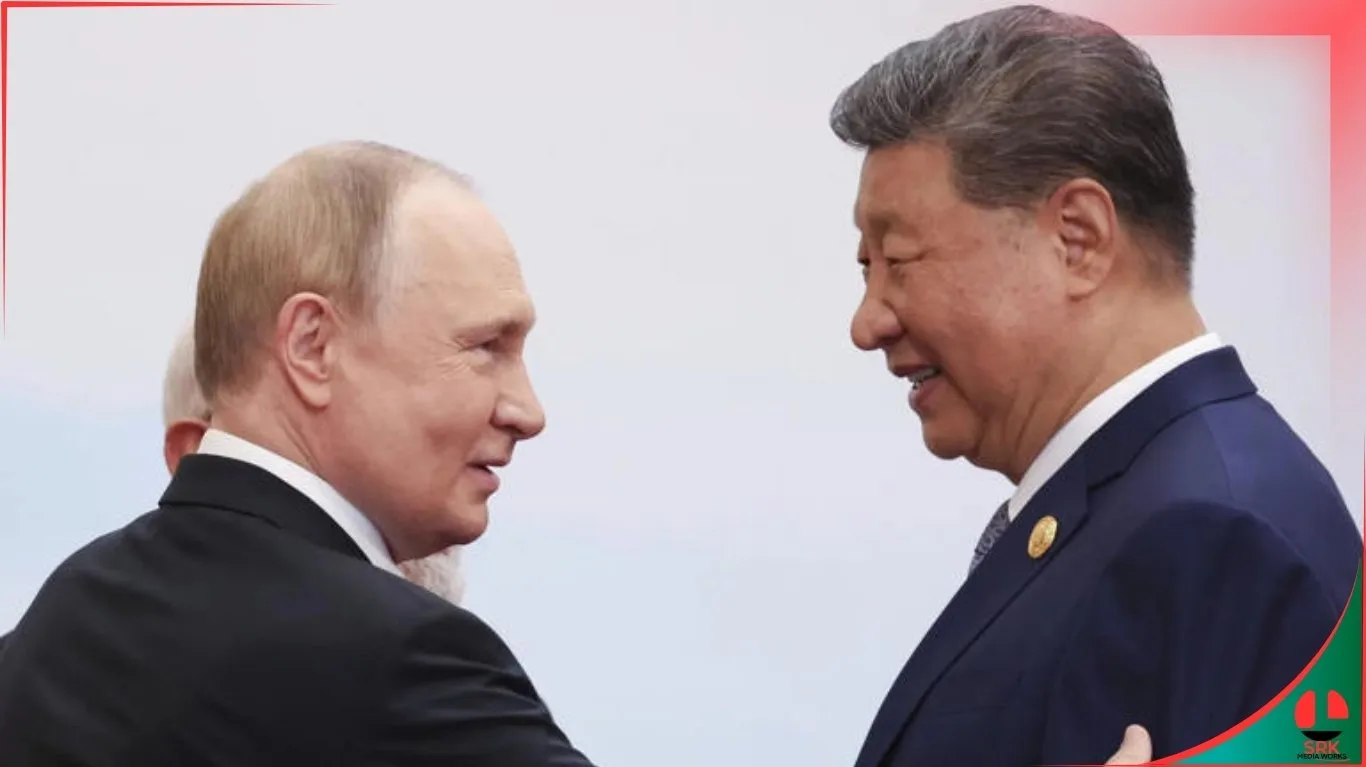
- Diplomatic Fallout: Countries like Russia and China condemned the attacks, while Western allies defended them as necessary.
Lessons from the Incident
- Leadership Vulnerability: Even top figures are not immune to modern warfare.
- Civilian Protection: Strikes near residential areas raise humanitarian concerns.
- Escalation Risks: Direct targeting of leadership compounds increases the likelihood of broader war.
- Global Diplomacy: International responses highlight deep divisions over Middle East policy.
Conclusion
The reported deaths of Ayatollah Khamenei’s son-in-law and daughter-in-law in US-Israel strikes mark a significant escalation in the Iran conflict. Beyond the immediate human tragedy, the incident underscores the fragility of regional stability and the risks of targeting leadership-linked sites. As Tehran vows retaliation, the world watches anxiously for the next phase of this dangerous confrontation.
Disclaimer
This article is based on publicly available information and aims to highlight the reported deaths of relatives of Iran’s Supreme Leader during recent strikes. It does not intend to criticize or promote any individual, country, or organization. The content is for informational and educational purposes only, reflecting broader issues in conflict, diplomacy, and regional stability.