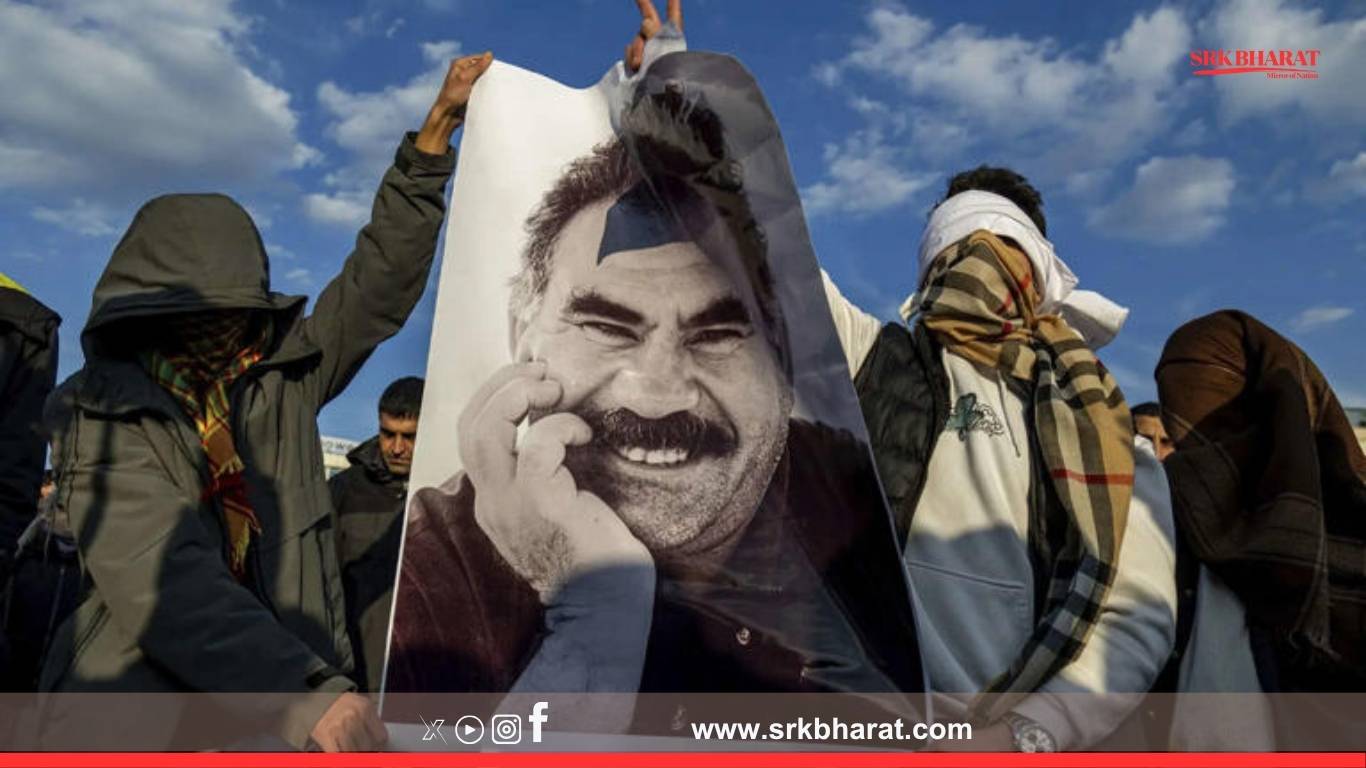
In a landmark development with major geopolitical implications, Kurdistan Workers’ Party (PKK) militants are expected to begin handing over their arms in Iraq starting Friday, Turkish broadcaster NTV reported, citing regional sources. This move marks the first significant step towards a possible permanent ceasefire between Turkey and the PKK after decades of violent insurgency.
Background: Decades-Long Conflict
The PKK, designated a terrorist organisation by Turkey, the US, and EU, has waged an armed struggle against the Turkish state since 1984, demanding greater autonomy and cultural rights for Kurds. The conflict has claimed over 40,000 lives, displaced millions, and complicated Turkey’s domestic security and regional diplomacy.
Key Highlights Of The Development
- Disarmament Schedule: PKK to begin weapons handover from Friday in designated areas of northern Iraq.
- Mediating Authorities: Kurdish Regional Government (KRG) and Iraqi federal officials facilitating the process under Turkish observation.
- Turkish Stance: Ankara views disarmament as a non-negotiable step before any future peace dialogue.
- Regional Context: Comes amid Turkey’s intensified military operations against PKK bases in northern Iraq and Syria over recent months.
Factors Leading To Disarmament
| Factor | Explanation |
|---|---|
| Military Pressure | Turkey’s sustained aerial and ground offensives have weakened PKK operational capabilities. |
| Regional Realignment | Iraq and KRG under pressure to curb PKK presence as Turkey enhances economic ties. |
| Internal PKK Dynamics | Leadership divisions over the sustainability of armed struggle after decades without political gains. |
| International Mediation | Backchannel diplomacy by European intermediaries to encourage ceasefire prospects. |
Timeline Of Recent Events
| Date | Event | Outcome |
|---|---|---|
| April 2024 | Turkish forces launched Operation Claw-Lock in northern Iraq | Dozens of PKK militants killed; supply routes disrupted. |
| June 2024 | KRG delegation visited Ankara | Discussed security coordination and trade expansion. |
| July 2024 | PKK leadership signalled readiness for phased disarmament | NTV reports formal process begins Friday. |
What Does Disarmament Involve?
The phased disarmament plan reportedly includes:
- Initial Handover Of Light Arms in pre-identified zones under KRG supervision.
- Destruction Of Heavy Weapons including mortars and anti-tank systems by Kurdish authorities.
- Safe Corridor Negotiations for PKK fighters to relocate to civilian areas or third countries if agreed.
- Monitoring Mechanism involving Iraqi federal forces and potentially UN observers if formalised.
Turkish Government Reaction
President Recep Tayyip Erdogan’s administration has not officially confirmed the Friday handover but government sources quoted by NTV stated:
“Disarmament is a positive first step. Turkey will not accept any armed PKK presence along its borders. The organisation’s complete dissolution remains our aim.”
Regional Implications
| Country | Potential Impact |
|---|---|
| Turkey | Reduced border tensions, improved internal security, potential political benefits for Erdogan’s government. |
| Iraq | Greater sovereignty assertion in northern regions, enhanced security cooperation with Turkey. |
| Iran | Monitoring closely due to concerns over Kurdish separatist sentiments within its territory. |
| Syria | Complicates dynamics with Syrian Kurdish groups, especially YPG, which Turkey associates with PKK. |
Expert Views
| Expert | Organisation | Comment |
|---|---|---|
| Prof. Henri Barkey | Middle East Analyst | “This is a significant but fragile step. Unless backed by a structured peace process, disarmament risks collapse.” |
| Dr. Gonul Tol | Director, Turkish Studies Center | “Military defeats forced PKK into this position. Turkey must follow up with political gestures for lasting peace.” |
| Lahur Talabany | Former KRG Intelligence Chief | “Stability in Kurdistan depends on resolving PKK-Turkey tensions. Disarmament is critical.” |
Possible Scenarios Ahead
| Scenario | Probability | Outcome |
|---|---|---|
| Complete PKK disarmament followed by peace talks | Medium | Ends four-decade insurgency, enhances Turkey-KRG ties. |
| Partial disarmament with splinter groups continuing attacks | High | Prolonged low-intensity conflict despite symbolic handovers. |
| Collapse of process amid renewed Turkish offensives | Medium | Reversal to full-scale conflict, humanitarian crises in northern Iraq. |
Challenges To Implementation
- PKK Internal Factionalism: Hardline elements opposing total disarmament.
- Turkey’s Political Approach: Refusal to offer political negotiations until full surrender may hinder durable resolution.
- Regional Security Vacuum: Ongoing instability in Iraq’s Sinjar region and Syrian borders complicates enforcement.
- Civilian Reconciliation Needs: Decades of violence require deep societal reconciliation, not just military disarmament.
Social Media Reactions
- “Finally some hope for peace after 40 years of bloodshed.”
- “Disarmament meaningless without cultural rights and autonomy negotiations.”
- “Turkey forced PKK to disarm militarily but will peace follow politically?”
Conclusion
The reported beginning of PKK disarmament in Iraq marks a potential turning point in the Kurdish-Turkish conflict, offering a narrow but crucial window for peace. However, experts caution that without structured political dialogue addressing Kurdish cultural and regional rights, the gains of disarmament may remain fragile and reversible. Whether Ankara seizes this opportunity to permanently resolve one of its longest-running insurgencies remains to be seen as developments unfold from Friday onwards.
Disclaimer
This news article is prepared for general geopolitical and security news dissemination based on regional media reports, defence analyses, and diplomatic assessments. Readers are advised to consult government statements, conflict monitoring organisations, and certified geopolitical experts before deriving conclusions or framing policy, operational, or strategic decisions based on Kurdish disarmament developments and Turkey-Iraq regional security dynamics.