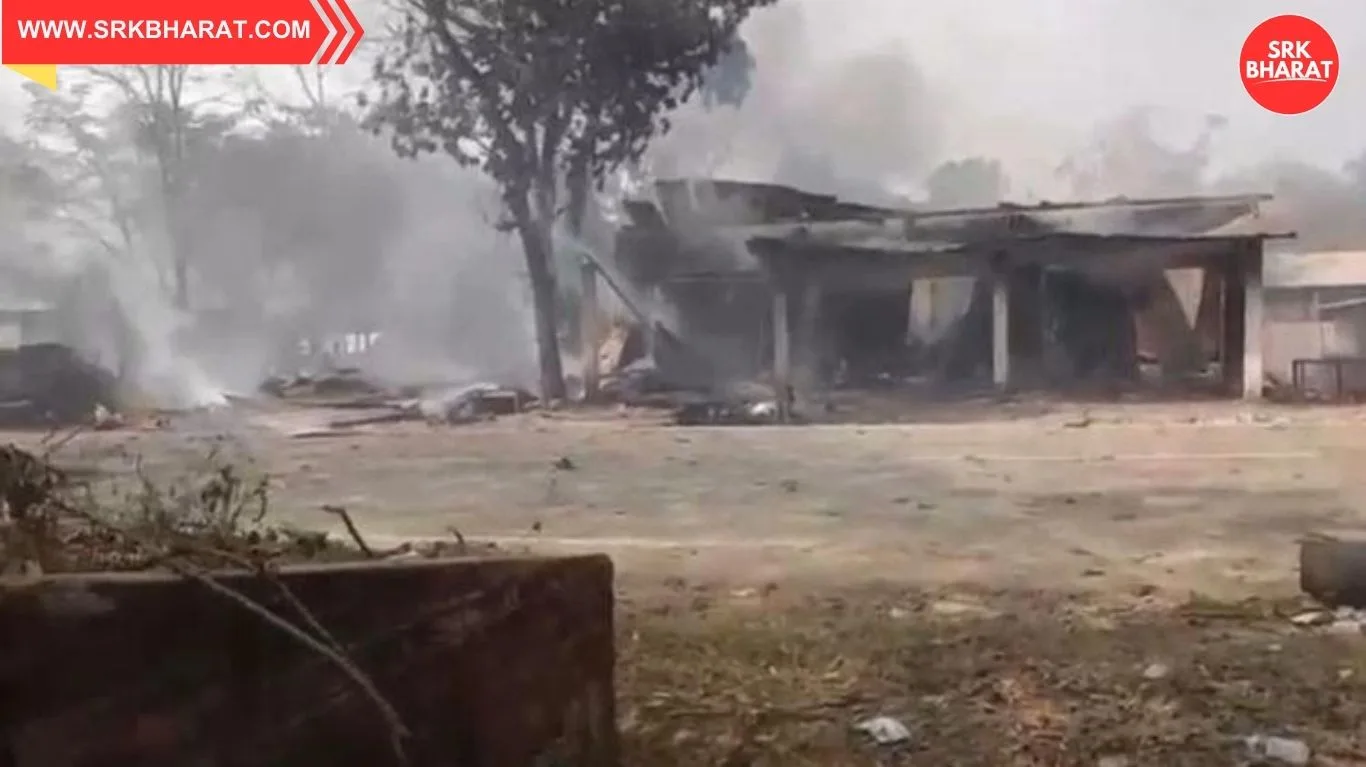




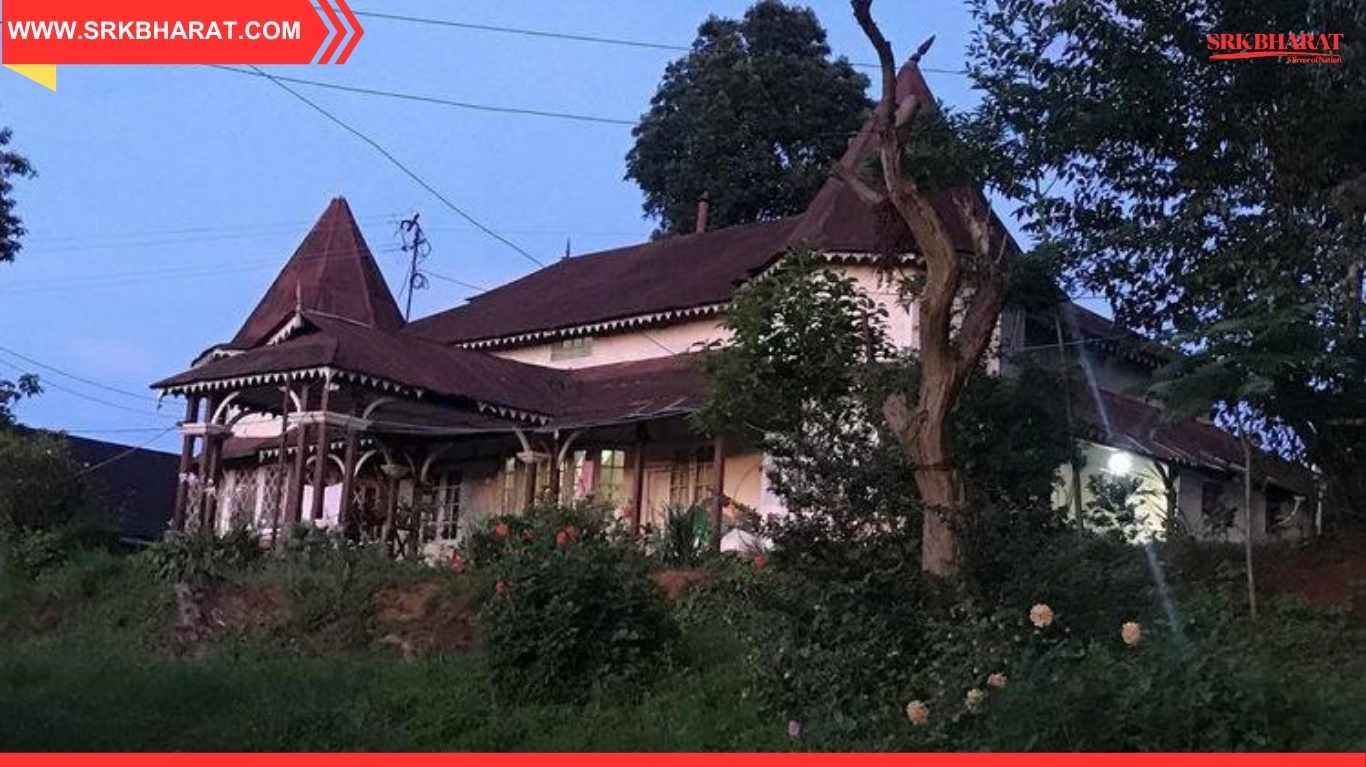
Amid rising public concern and social media speculation, the Manipur government has issued a formal clarification regarding the status of the historic Rajbari complex in Shillong, confirming that the structure is undergoing careful restoration and reconstruction, not demolition. The statement, released on October 11, 2025, by the Planning and Development Authority (PDA), aims to address widespread misinformation and reassure citizens about the preservation of the culturally significant site.
The Rajbari, which served as the ancestral residence of the Manipur royal family during their time in Shillong, has long been regarded as a symbol of heritage and identity for the Manipuri community. Recent reports and viral posts alleging its destruction sparked protests and emotional appeals from civil society groups, prompting the government to clarify its position.
🧠 Key Points from the Manipur Government’s Clarification
| Concern Raised | Government Response |
|---|---|
| Alleged Demolition | “No intention to erase history; structure being restored” |
| Structural Integrity | “Building was dilapidated and unsafe for use” |
| Restoration Plan | “Original architectural design will be retained” |
| Cultural Sensitivity | “Project initiated by Art & Culture Department” |
| Public Sentiment | “We respect the emotional value of Rajbari” |
The PDA stated that the restoration is part of the Infrastructure Development of Heritage Complex, Shillong project, approved by the Art & Culture Department of Manipur.
📊 Timeline of Events Surrounding Rajbari Restoration
| Date | Event Description |
|---|---|
| Sep 2025 | Initial dismantling of unsafe sections begins |
| Oct 7, 2025 | Social media posts allege demolition |
| Oct 9, 2025 | Civil society protests and media coverage intensify |
| Oct 11, 2025 | PDA issues official clarification |
The government emphasized that the dismantling was limited to structurally compromised portions and that the reconstruction will honor the original design and heritage value.
🗣️ Reactions from Public and Cultural Stakeholders
- Royal Family Representatives: “We welcome restoration but urge transparency.”
- Civil Society Groups: “Preserve the soul of Rajbari, not just the structure.”
- Architectural Experts: “Reconstruction must be historically accurate.”
- Manipuri Diaspora in Shillong: “Rajbari is our emotional anchor.”
| Stakeholder Group | Reaction Summary |
|---|---|
| Heritage Activists | Demand oversight and community involvement |
| Local Residents | Support restoration with cultural safeguards |
| Government Officials | Assure compliance with heritage norms |
| Media Analysts | Call for clearer communication strategy |
The incident has reignited conversations around heritage preservation, transparency, and community consultation in public projects.
🧾 Restoration Plan Details
| Restoration Component | Description |
|---|---|
| Architectural Blueprint | Based on original Rajbari design |
| Materials Used | Locally sourced, heritage-grade |
| Cultural Integration | Space for exhibitions and royal archives |
| Timeline | Estimated completion by March 2026 |
| Budget Allocation | ₹12.5 crore sanctioned by state government |
The PDA confirmed that the project will include a museum, cultural center, and interactive exhibits to honor Manipur’s royal legacy.
🧭 Broader Implications for Heritage Governance
The Rajbari controversy underscores the need for:
- Transparent heritage restoration protocols
- Community engagement in cultural projects
- Digital misinformation countermeasures
- State-level heritage conservation policies
Experts suggest that the Rajbari case could serve as a model for future restoration efforts across Northeast India.
Disclaimer
This news content is based on verified government statements, media reports, and public briefings as of October 12, 2025. It is intended for editorial use and public awareness. The information does not constitute architectural advice, legal opinion, or cultural endorsement and adheres to ethical journalism standards.