


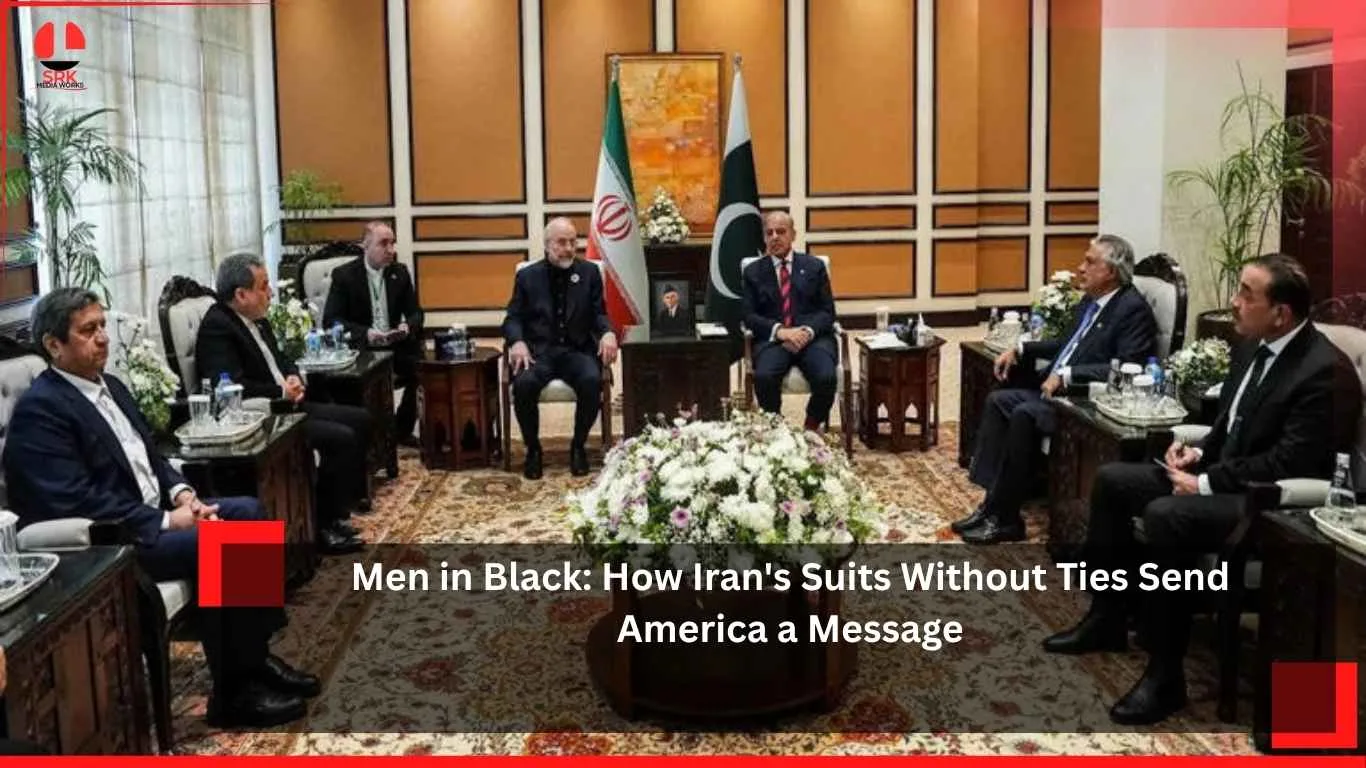
Iran’s political and cultural symbolism often extends beyond speeches and policies, manifesting in subtle yet powerful gestures. One of the most striking examples is the attire of Iranian leaders: dark suits worn without ties. This deliberate choice, often referred to as the “Men in Black” look, is not merely a matter of fashion but a calculated political statement. It conveys resistance, cultural identity, and a message of defiance to the West, particularly the United States.
The Symbolism of Suits Without Ties
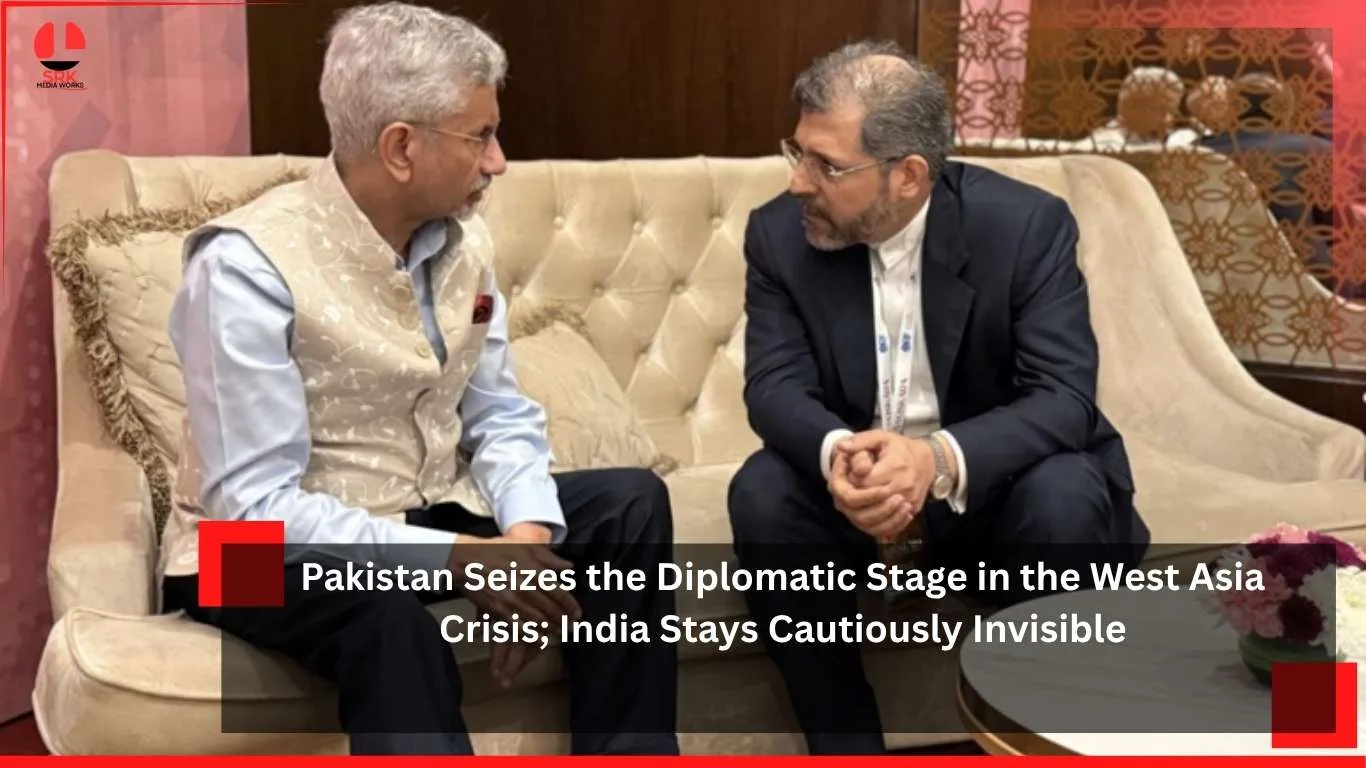
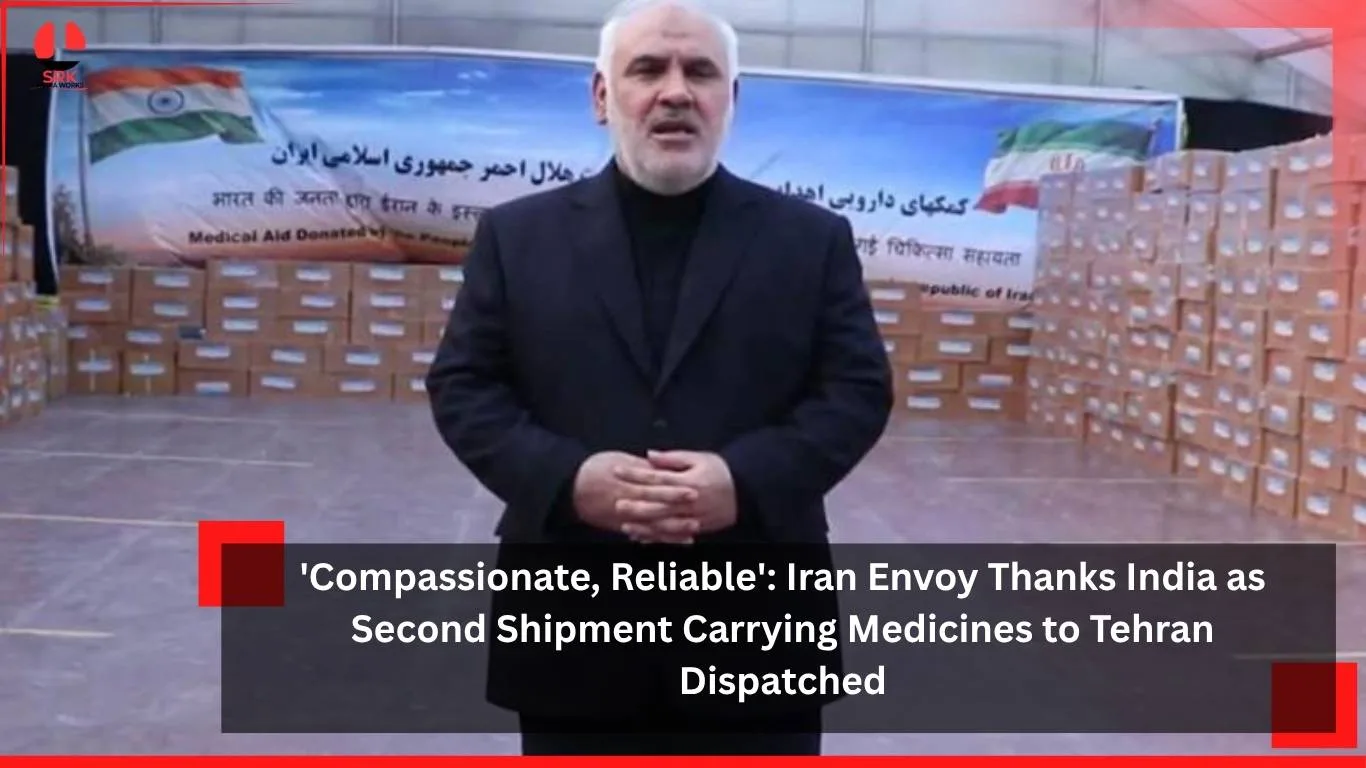
Iranian officials, from presidents to diplomats, consistently appear in public wearing suits but without ties. In Western culture, the tie is a symbol of formality, professionalism, and conformity. By rejecting it, Iranian leaders project independence from Western norms. This attire has become a hallmark of Iran’s political identity, signaling that the country will not bow to Western cultural or political pressures.
The absence of ties also reflects Islamic cultural values. In Iran, ties are sometimes associated with Western decadence or even colonial influence. By discarding them, leaders emphasize authenticity and alignment with local traditions.
Historical Roots of the Attire
The practice gained prominence after the 1979 Islamic Revolution. Ayatollah Ruhollah Khomeini and subsequent leaders sought to distance Iran from Western influence. Clothing became a battlefield of cultural resistance. The suit remained, symbolizing modernity and authority, but the tie was eliminated, symbolizing rejection of Western dominance.
This attire has since become institutionalized. Iranian presidents, foreign ministers, and negotiators at international summits consistently appear in suits without ties, reinforcing the image of defiance.
Sending a Message to America
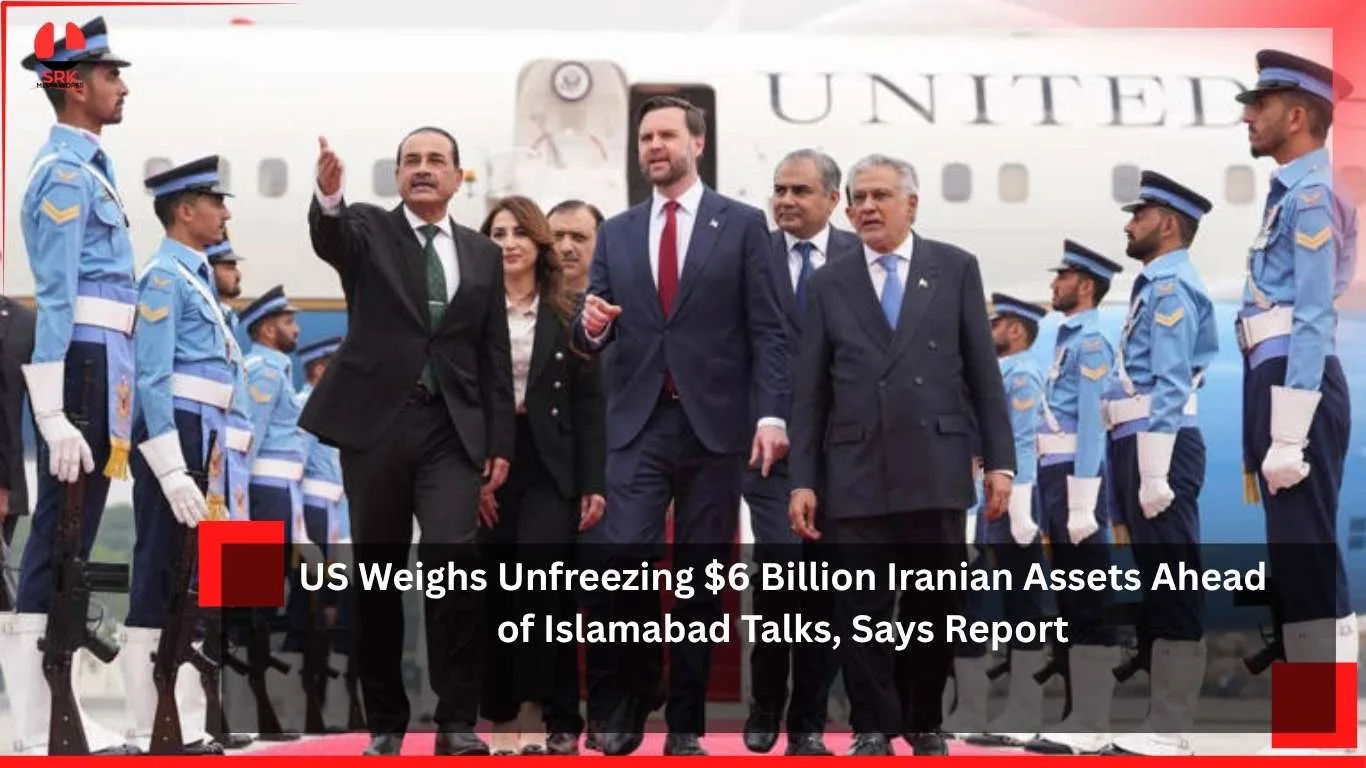
The United States, often seen as the epitome of Western culture, is the primary target of this symbolic gesture. By appearing without ties in meetings with American officials or at global forums, Iranian leaders subtly remind the world of their resistance to U.S. influence.
It is a way of saying: We are modern, but we are not Western. We engage with the world, but on our own terms.
Global Perception
Internationally, Iran’s attire has sparked curiosity and debate. Some view it as a refreshing assertion of cultural independence, while others interpret it as stubbornness. In diplomatic circles, attire often carries hidden meanings, and Iran’s suit-without-tie look has become a recognizable symbol of its political stance.
Western media frequently highlight this difference, noting how Iranian leaders stand out in global gatherings. The contrast is particularly visible when Iranian officials meet Western counterparts dressed in full suits and ties.
Comparative Analysis of Attire in Diplomacy
| Country/Region | Typical Diplomatic Attire | Symbolic Meaning | Iran’s Contrast |
|---|---|---|---|
| United States | Suit with tie | Formality, professionalism | Rejects tie to resist Western norms |
| Europe | Suit with tie | Tradition, authority | Iran emphasizes independence |
| Middle East (varied) | Traditional robes or suits | Cultural identity | Iran blends modern suit with cultural rejection |
| East Asia | Suit with tie | Respect, hierarchy | Iran’s attire signals defiance |
This comparison shows how Iran’s choice is both unique and intentional, setting it apart from global norms.
Cultural Identity and Modernity
Iran’s attire strategy balances modernity with tradition. The suit represents participation in global diplomacy, while the absence of the tie represents cultural authenticity. This duality allows Iran to project itself as both modern and independent.
Impact on Negotiations
Attire may seem superficial, but in diplomacy, every detail matters. The suit without tie often becomes a subtle reminder during negotiations that Iran will not compromise its identity. It reinforces the country’s stance of independence, even when discussing critical issues like nuclear agreements or sanctions.
Pivot Analysis: Attire as Political Messaging
| Aspect | Western Attire (Suit + Tie) | Iranian Attire (Suit, No Tie) | Message Conveyed |
|---|---|---|---|
| Formality | High | Moderate | Iran is formal but not Western |
| Cultural Identity | Western conformity | Local authenticity | Iran resists cultural assimilation |
| Political Symbolism | Neutral | Defiance | Iran asserts independence |
| Global Perception | Conventional | Distinctive | Iran stands out in diplomacy |
This pivot analysis highlights how attire functions as a political tool, shaping perceptions and reinforcing messages.
The Broader Context of Symbolism
Iran’s suit-without-tie look is part of a larger strategy of symbolism. From slogans to architecture, Iran often uses cultural markers to assert independence. Clothing is one of the most visible and effective tools in this strategy.
Influence on Younger Generations
Interestingly, the attire has also influenced Iranian youth. While many young Iranians adopt Western fashion in private, the suit without tie remains a symbol of national pride in official contexts. It reflects the tension between globalization and cultural preservation.
America’s Interpretation
For the United States, Iran’s attire is a reminder of the cultural and political gap between the two nations. It signals that Iran will not easily conform to Western expectations, complicating diplomatic efforts. Yet, it also demonstrates Iran’s willingness to engage—on its own terms.
Conclusion
Iran’s “Men in Black” look—suits without ties—is more than a fashion choice. It is a deliberate political statement, a cultural symbol, and a diplomatic tool. By rejecting the tie, Iran sends a clear message to America and the world: We are modern, but we are not Western. We will engage, but we will not conform.
This attire has become a powerful emblem of Iran’s identity, shaping perceptions and reinforcing its stance of independence in global politics.
Disclaimer: This article is an analytical exploration of cultural and political symbolism in attire. It does not represent endorsement of any political ideology or government. The content is intended for informational purposes only, highlighting how clothing choices can carry diplomatic and cultural significance. Readers are encouraged to interpret the symbolism within broader historical and political contexts.