









More than 3.5 million Americans have lost access to Supplemental Nutrition Assistance Program (SNAP) benefits nationwide following the implementation of the One Big Beautiful Bill Act, which took effect last summer. The federal legislation introduced stringent eligibility requirements and complex application processes, leading to a sharp decline in enrollment as states move to enforce the new mandates.
Context and Legislative Background
The One Big Beautiful Bill Act represents a significant shift in federal welfare policy, prioritizing stricter work requirements and enhanced administrative oversight for food assistance programs. Prior to this legislation, states maintained greater flexibility in determining eligibility and managing enrollment, particularly for able-bodied adults without dependents.
Proponents of the bill argued that these changes would streamline government spending and encourage workforce participation among recipients. However, critics point to the administrative burden placed on both state agencies and low-income households as a primary driver of the sudden enrollment drop.
The Impact of New Requirements
The decline in SNAP participation stems from a combination of mandatory work verification, periodic reporting, and updated asset tests that now disqualify households previously considered eligible. Many participants have faced difficulties navigating the updated digital portals and paper-based reporting requirements mandated by the new federal guidelines.
According to recent data, the enrollment drop is not uniform across the country, with states that previously utilized waivers for work requirements seeing the most significant reductions. In some regions, the transition to the new system has led to administrative backlogs, leaving eligible families without access to benefits while their applications remain in limbo.
Expert Perspectives
Dr. Sara Naomi Bleich, a professor of public health policy at Harvard, notes that the loss of food assistance often correlates with immediate nutritional insecurity for vulnerable populations. “When you remove a primary safety net, the secondary effects on health outcomes, particularly for children and the elderly, are almost immediate,” Bleich stated.
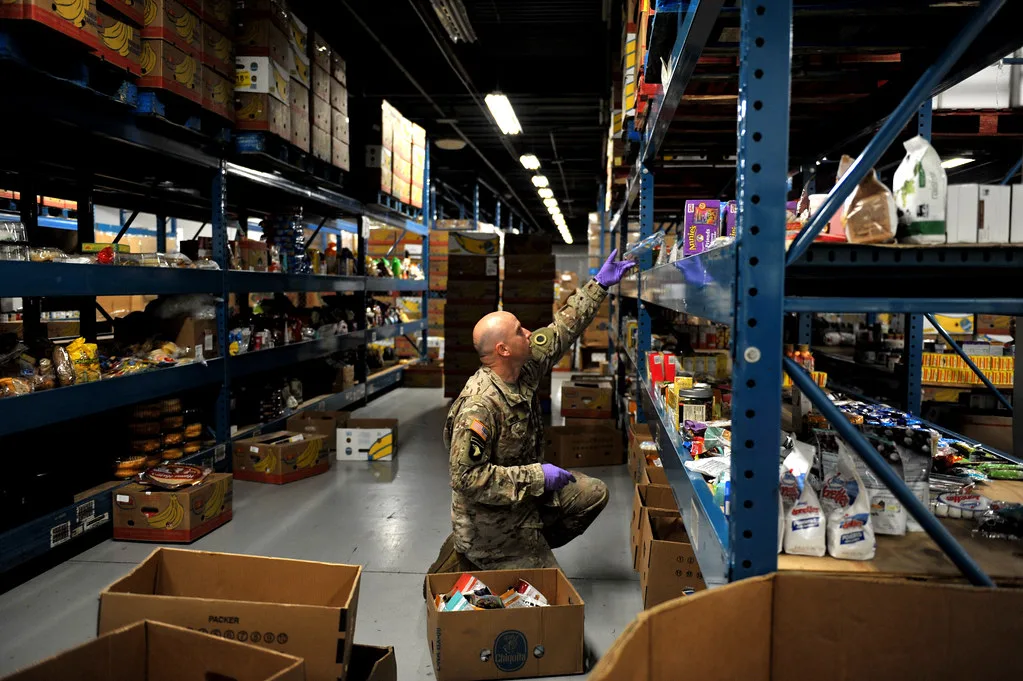
Data from local food pantries suggests that the sudden reduction in SNAP benefits has already increased demand for emergency food services. Organizations report that many of the individuals now seeking aid are first-time users who were previously able to manage their grocery costs with the help of federal subsidies.
Broader Industry and Social Implications
The economic impact of this policy shift extends beyond individual households, potentially affecting local grocery retailers and regional supply chains that rely on SNAP-related spending. Industry analysts are monitoring whether the reduction in benefits will lead to a contraction in food retail sales in lower-income zip codes.
Looking ahead, the focus shifts to how state governments will manage the ongoing administrative implementation and whether federal lawmakers will consider adjustments to the legislation in response to rising food insecurity data. Observers are also watching for upcoming federal reports that will clarify the demographic breakdown of those who have been removed from the program to determine if certain vulnerable groups are being disproportionately affected.