



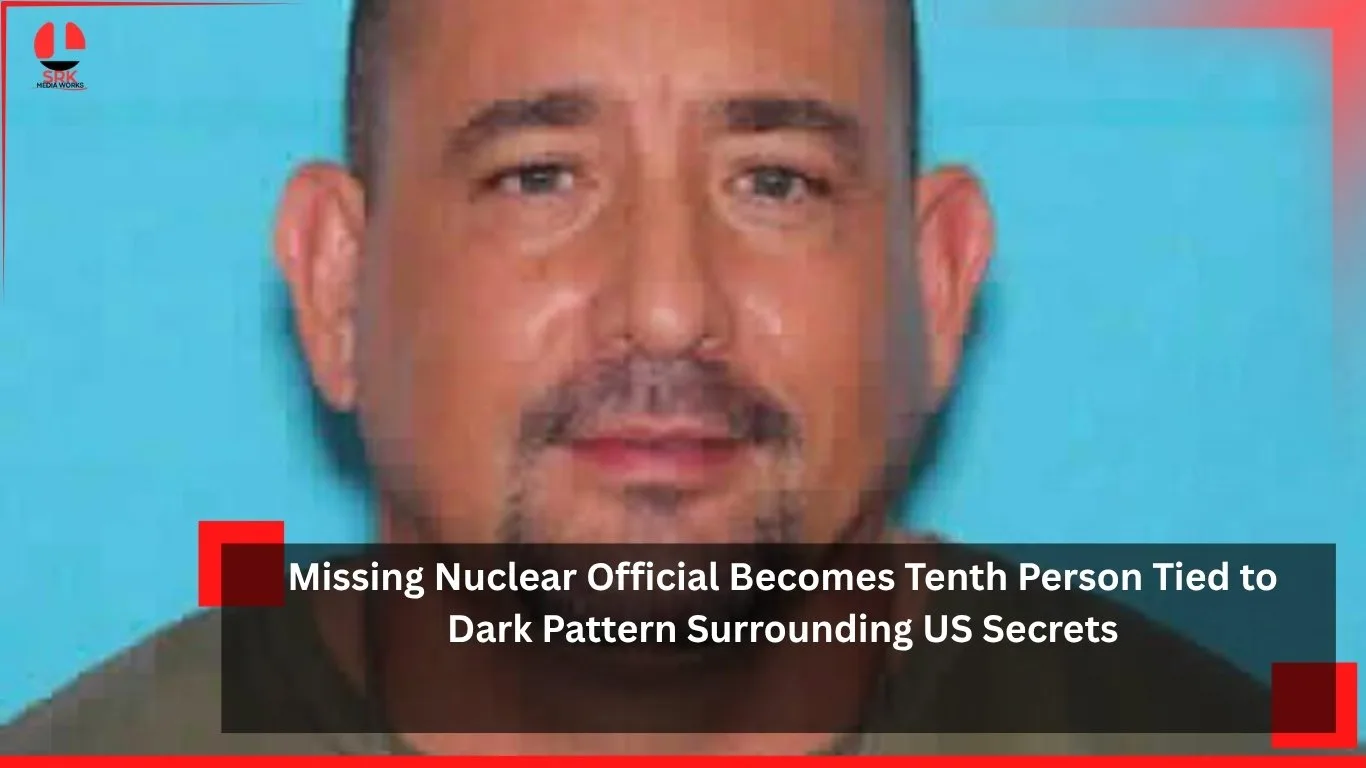
A senior nuclear official has gone missing, becoming the tenth individual linked to what analysts describe as a “dark pattern” surrounding U.S. secrets. The disappearance has intensified concerns about national security, insider threats, and the growing complexity of safeguarding sensitive information in an era of geopolitical rivalry.
The Disappearance
The missing official, whose identity has not been fully disclosed, was reportedly involved in overseeing classified nuclear projects. Their sudden absence has raised alarms within intelligence and defense circles, particularly given the broader context of unexplained incidents involving individuals tied to sensitive U.S. programs.
The Dark Pattern
Observers have noted a troubling sequence of events: multiple individuals connected to U.S. secrets have either disappeared, faced legal troubles, or died under unusual circumstances. The missing nuclear official is now the tenth case in this pattern, fueling speculation about coordinated efforts to undermine U.S. security.
Historical Context
The United States has long grappled with espionage and insider threats. From Cold War defections to modern cyber intrusions, safeguarding secrets has been a persistent challenge. The current wave of incidents suggests that adversaries may be employing new strategies to target individuals rather than systems.
Comparative Analysis of Incidents
| Case Number | Individual Role | Incident Type | Outcome |
|---|---|---|---|
| 1 | Cybersecurity expert | Disappearance | Unresolved |
| 2 | Defense contractor | Legal troubles | Convicted |
| 3 | Nuclear scientist | Sudden death | Under investigation |
| 4 | Intelligence analyst | Missing | Unresolved |
| 5 | Military officer | Security breach | Dismissed |
| 6 | Diplomatic staff | Disappearance | Unresolved |
| 7 | Energy researcher | Legal troubles | Ongoing trial |
| 8 | Policy advisor | Sudden death | Classified |
| 9 | Nuclear engineer | Missing | Unresolved |
| 10 | Nuclear official | Missing | Current case |
This table illustrates the recurring nature of incidents, highlighting the vulnerability of individuals tied to sensitive programs.
Pivot Analysis: National Security Implications
| Dimension | Before Current Case | After Current Case | Implications |
|---|---|---|---|
| Public Awareness | Limited | Heightened | Increased scrutiny of security measures |
| Government Response | Reactive | Intensified | Possible new policies |
| International Perception | Stable | Concerned | Allies question U.S. security |
| Insider Threat Management | Moderate | Urgent | Stronger vetting and monitoring |
The pivot analysis shows how the latest disappearance escalates concerns and pressures policymakers to act.
Possible Explanations
- Espionage: Foreign intelligence agencies may be targeting individuals with access to secrets.
- Internal Corruption: Some cases may involve personal misconduct or financial motives.
- Systemic Vulnerabilities: Weaknesses in security protocols could be exploited repeatedly.
- Coincidence: While unlikely, some argue the pattern may be coincidental rather than coordinated.
Government Response
U.S. authorities are reportedly intensifying investigations, reviewing security protocols, and considering new measures to protect individuals tied to sensitive programs. The FBI and Department of Energy are said to be collaborating closely on the matter.
Public Reaction
The public has expressed growing concern, with debates about transparency and accountability. Some argue that secrecy is necessary for national security, while others demand greater disclosure to prevent speculation and mistrust.
International Implications
Allies may question the reliability of U.S. security systems, particularly in joint projects involving nuclear technology. Adversaries could interpret the incidents as opportunities to exploit vulnerabilities.
Conclusion
The disappearance of a nuclear official, marking the tenth case in a troubling pattern, underscores the fragility of safeguarding U.S. secrets. Whether the incidents are coordinated or coincidental, they highlight the urgent need for stronger protections, transparency, and vigilance in an era of complex geopolitical threats.
Disclaimer: This article is based on reported developments and analytical perspectives. It does not confirm the authenticity of specific incidents but explores their potential implications for national security. The content is intended for informational purposes only, highlighting how recurring patterns can shape public discourse and policy. Readers should interpret the situation with caution, as official details remain limited.