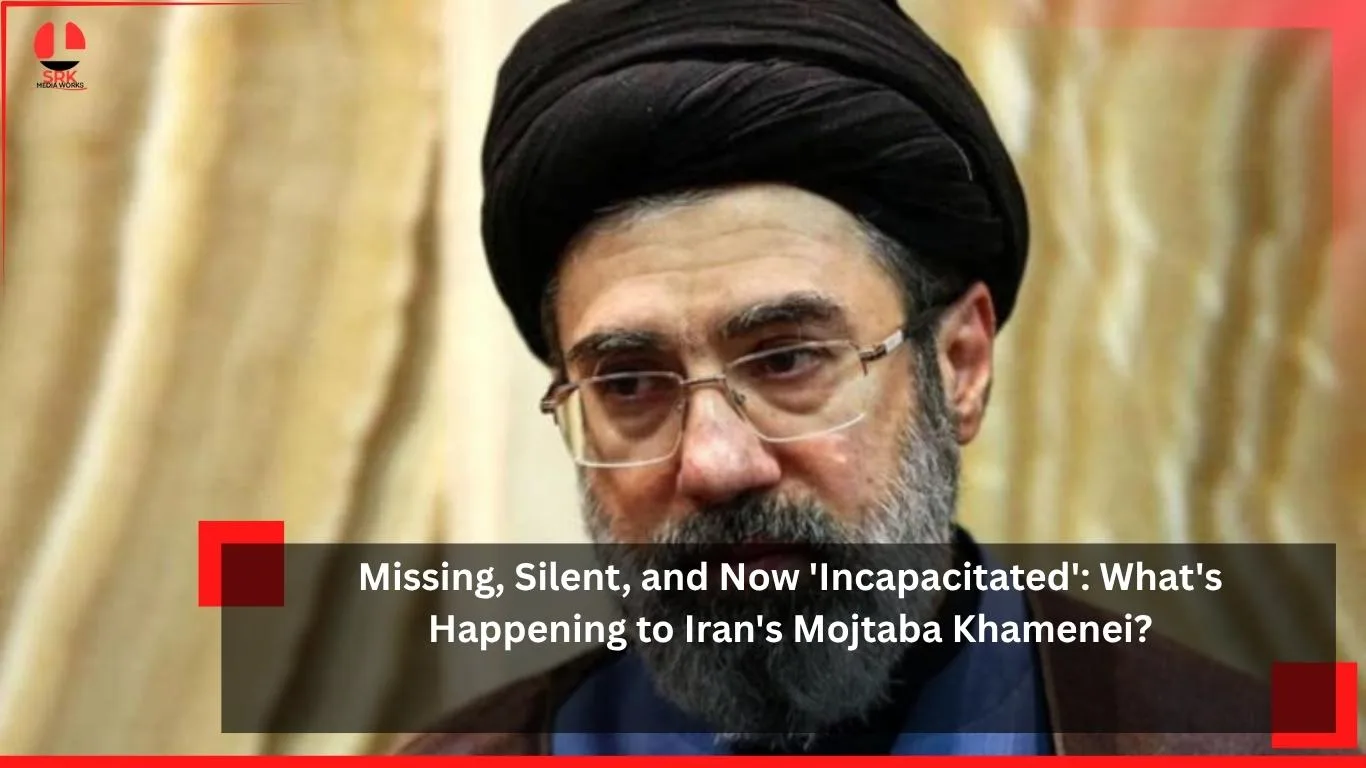
Speculation is mounting in Iran and across the international community about the status of Mojtaba Khamenei, son of Supreme Leader Ayatollah Ali Khamenei. Once considered a potential successor to his father, Mojtaba has been missing from public view, silent in political circles, and now rumored to be “incapacitated.” These developments have fueled intense debate about Iran’s succession politics, internal power struggles, and the future of its leadership.
Background on Mojtaba Khamenei
Mojtaba Khamenei has long been seen as a powerful figure behind the scenes in Iran. Though he has never held formal office, his influence within the Revolutionary Guard and clerical circles has been widely reported. Analysts have often speculated that he could succeed his father as Supreme Leader, given his deep ties to the establishment.
However, his absence from public life in recent months has raised questions. Rumors of illness, political sidelining, or internal disputes have circulated, though none have been officially confirmed.
Rumors of Incapacitation
Recent reports suggest that Mojtaba may be incapacitated, though details remain unclear. Some sources claim health issues, while others point to political maneuvering within Iran’s elite. The lack of transparency has only intensified speculation, with observers noting that succession politics in Iran are notoriously opaque.
Comparative Analysis of Succession Scenarios
| Attribute | Mojtaba Khamenei (Rumored Successor) | Other Clerical Candidates | Revolutionary Guard Influence |
|---|---|---|---|
| Public Visibility | Low, missing, silent | Moderate, active clerics | High, military figures |
| Political Influence | Strong behind the scenes | Institutional, religious | Strategic, coercive |
| Succession Likelihood | Questioned due to absence | Possible alternatives | Could dominate succession |
| Global Perception | Controversial, opaque | Traditional clerical path | Militarized leadership |
Pivot Analysis of Mojtaba’s Status
| Factor | Before Rumors | After Rumors |
|---|---|---|
| Succession Certainty | High | Uncertain |
| Public Confidence | Moderate | Shaken |
| Internal Stability | Controlled | Potentially fragile |
| Media Coverage | Limited | Intensified |
| Global Attention | Minimal | Heightened |
Reactions from Global Stakeholders
- Iranian Public: Confused and anxious about leadership succession.
- Clerical Establishment: Silent, maintaining secrecy around internal politics.
- Revolutionary Guard: Seen as a potential kingmaker in succession battles.
- International Analysts: Concerned about instability and its impact on regional geopolitics.
Challenges Facing Iran
The uncertainty around Mojtaba Khamenei presents several challenges:
- Succession Planning: Lack of clarity could destabilize Iran’s political system.
- Factionalism: Rival groups may exploit the vacuum to assert influence.
- Public Trust: Secrecy erodes confidence in leadership.
- Regional Stability: Instability in Iran could ripple across the Middle East.
Broader Implications
The situation highlights broader themes in Iranian politics:
- Opaque Governance: Leadership transitions remain shrouded in secrecy.
- Factional Struggles: Clerics, military, and political elites vie for influence.
- Global Impact: Iran’s leadership uncertainty affects regional security and diplomacy.
- Public Anxiety: Citizens remain in the dark about succession, fueling speculation.
Conclusion
Mojtaba Khamenei’s disappearance from public life, silence in political affairs, and rumors of incapacitation have created a storm of speculation about Iran’s future leadership. While his potential succession was once considered likely, the current uncertainty underscores the fragility of Iran’s political system and the challenges of managing opaque transitions.
The coming months will be critical in determining whether Mojtaba reemerges, whether alternative candidates gain traction, or whether the Revolutionary Guard asserts dominance in shaping Iran’s next Supreme Leader.
Disclaimer
This article is intended for informational purposes only. It is based on publicly available developments and does not represent official statements from Mojtaba Khamenei, Ayatollah Ali Khamenei, or the Iranian government. Readers should rely on official announcements for verified updates.