




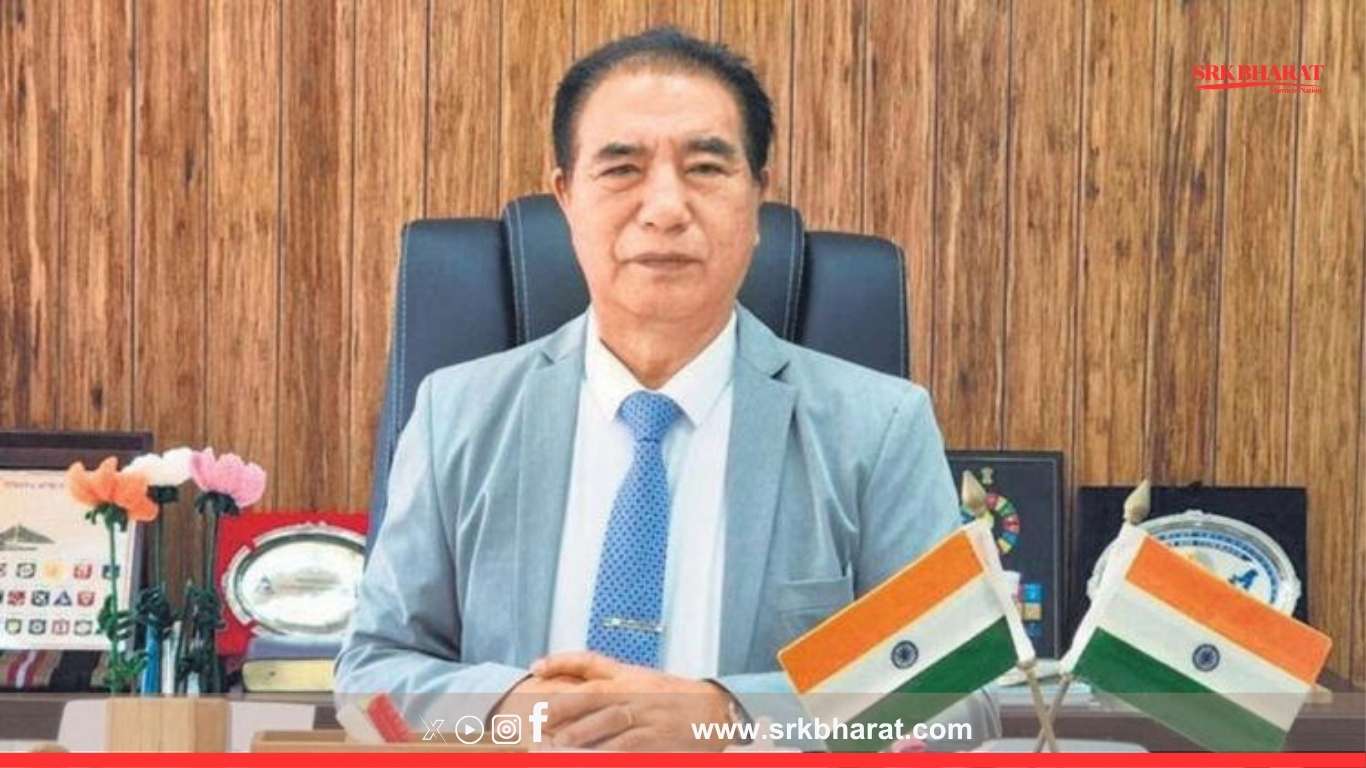
In a major initiative to strengthen the agricultural economy and secure farmer livelihoods, the Mizoram government has disbursed Rs 98.84 crore under the flagship ‘Bana Kaih’ crop procurement scheme. The announcement was made by Agriculture Minister C. Lalrinsanga during a press briefing held at the Secretariat Conference Hall in Aizawl on Monday.
🔍 What Is The ‘Bana Kaih’ Scheme?
Launched in 2023, ‘Bana Kaih’ is Mizoram’s flagship crop procurement scheme, designed to:
- Procure key crops directly from farmers at assured prices
- Enhance income security by eliminating middlemen
- Create stable market linkages for locally grown produce
- Boost state-level agricultural self-sufficiency and reduce imports
📌 Highlights Of The Recent Disbursement
| Parameter | Details |
|---|---|
| Total funds disbursed | Rs 98.84 crore |
| Scheme | Bana Kaih (meaning ‘Buy Crops’ in Mizo) |
| Beneficiaries | ~85,000 farmers |
| Crops procured | Paddy, ginger, turmeric, maize, chilli |
| Procurement agencies | State Agriculture Marketing Board (SAMAB), Mizoram Apex Cooperative Marketing Federation (MACOF) |
| Districts covered | All 11 districts of Mizoram |
| Announcement date | July 1, 2025 |
🗣️ Minister’s Official Statement
Minister Lalrinsanga emphasised:
“The Bana Kaih scheme has improved farmer incomes and ensured our essential crop reserves are built. This Rs 98.84 crore disbursement reflects our government’s commitment to doubling farmers’ income by 2027.”
He further added that the procurement process is being streamlined digitally to avoid delays and ensure direct bank transfer of payments to farmers.
📊 Crop-wise Procurement Summary
| Crop | Quantity Procured (MT) | Value (Rs Crore) | % of Total Fund |
|---|---|---|---|
| Paddy | 45,000 | 40.2 | 40.7% |
| Ginger | 20,000 | 22.5 | 22.8% |
| Turmeric | 15,000 | 18.0 | 18.2% |
| Maize | 10,000 | 10.8 | 10.9% |
| Chilli | 5,500 | 7.34 | 7.4% |
| Total | 95,500 | 98.84 | 100% |
(Source: Mizoram Agriculture Marketing Board, July 2025)
🧭 Impact On Farmers’ Income
Agricultural economists at Mizoram University estimate:
- Average farmer income increased by Rs 18,500–22,000 annually under Bana Kaih in 2024-25 compared to 2022-23
- Removal of middlemen has improved net realisation per quintal by 12–20%
- Digital payment system ensures transparency and timely disbursement
👨🌾 Voices From The Ground
Lalchhuanmawia, paddy farmer from Serchhip district:
“Earlier, we were forced to sell paddy at throwaway prices to traders. Bana Kaih gave us security and helped repay debts.”
Rohmingliani, ginger grower from Champhai:
“The procurement at MSP-like rates motivates us to cultivate more. We now plan to expand ginger cultivation to 3 hectares next year.”
🔎 District-wise Disbursement
| District | Disbursement (Rs Crore) | Main Crop Procured |
|---|---|---|
| Aizawl | 19.8 | Paddy, Chilli |
| Lunglei | 14.2 | Paddy, Ginger |
| Champhai | 13.4 | Ginger, Turmeric |
| Kolasib | 10.6 | Paddy, Maize |
| Serchhip | 9.8 | Paddy |
| Mamit | 8.7 | Maize, Paddy |
| Lawngtlai | 7.5 | Turmeric, Paddy |
| Saiha | 5.9 | Paddy |
| Khawzawl | 4.1 | Paddy |
| Hnahthial | 3.4 | Paddy |
| Saitual | 1.14 | Paddy |
| Total | 98.84 |
💡 Benefits Of The Bana Kaih Scheme
| Benefit | Impact |
|---|---|
| Assured procurement prices | Financial security for ~85,000 farmers |
| Direct payment system | Eliminated middlemen commission cuts |
| Reduced urban migration | Rural employment generation |
| Boosted local market supply | State-level food security and price stability |
| Women farmer empowerment | Over 32% beneficiaries are female farmers |
⚖️ Challenges Faced
Despite success, the scheme faces some bottlenecks:
- Transport bottlenecks due to hilly terrain
- Storage infrastructure gaps leading to wastage in perishable crops like ginger and turmeric
- Delayed payments during peak procurement season in select districts
- Limited awareness among small marginal farmers in interior villages
🗣️ Government’s Response
To address these, the Agriculture Department plans to:
- Construct five new cold storage units and warehouses in Champhai, Lunglei, and Kolasib by March 2026
- Introduce mobile procurement vans for interior hamlets
- Launch an intensive awareness campaign in Mizo dialects through local cable networks and community radio
- Strengthen the Bana Kaih online portal for real-time farmer registration and payment tracking
🏫 Integration With Other Schemes
The Bana Kaih scheme works alongside:
- PM-KISAN: Direct income support to smallholder farmers
- Mission Organic Value Chain Development for North East Region (MOVCDNER): Promoting organic cultivation for export markets
- TRIFED marketing initiatives: Linking tribal produce to national markets
🗣️ Political Reactions
Opposition MNF leaders welcomed the disbursement but urged:
“The government must ensure payments are made within 10 days of procurement to maintain farmer confidence.”
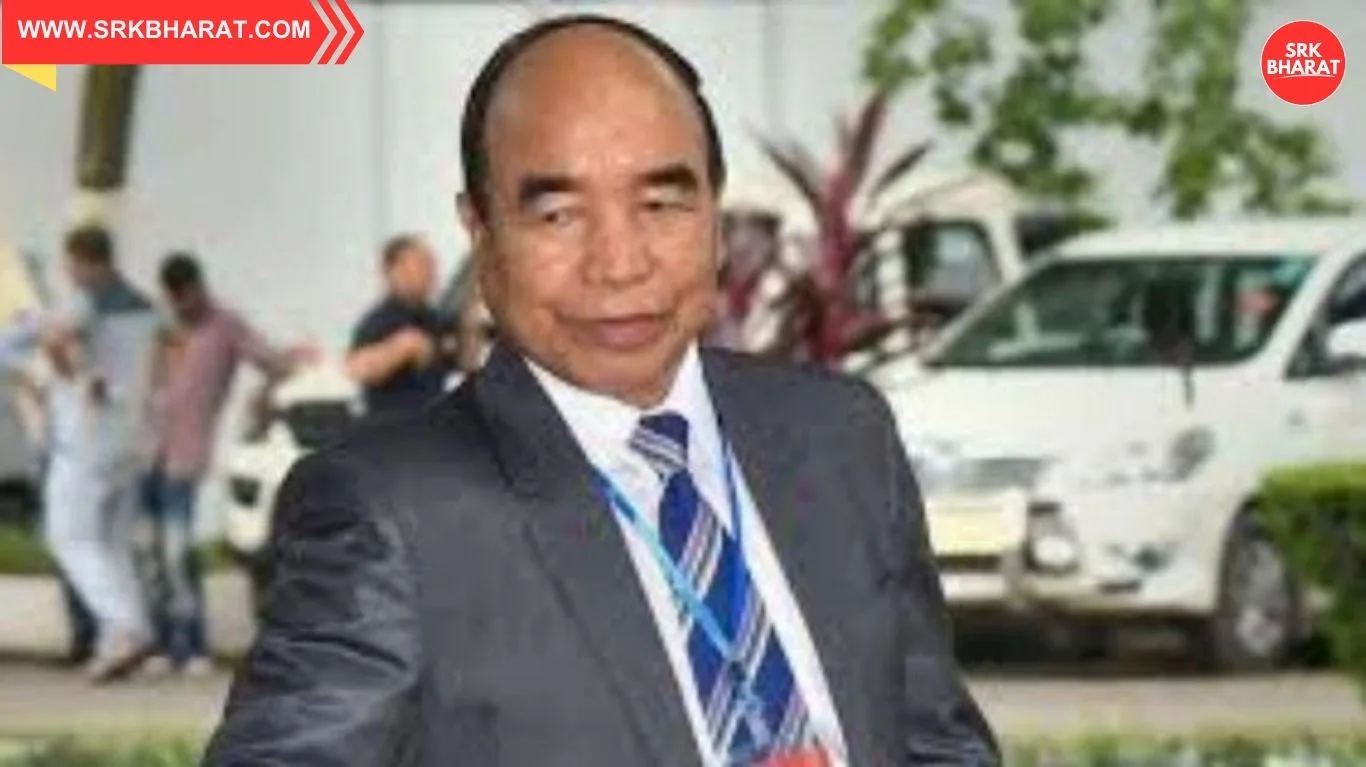
Meanwhile, the Chief Minister Zoramthanga termed it a historic disbursement that reflects his government’s priority for farmer welfare and agricultural self-sufficiency.
🔮 Future Plans Under Bana Kaih
- Expand crop procurement list to include banana, passion fruit, and local beans by 2026
- Set up three food processing units for ginger and turmeric in Champhai and Lunglei to boost value addition
- Enhance procurement targets by 25% annually to match rising crop outputs
- Integrate Bana Kaih digital data with Kisan Credit Card (KCC) eligibility databases for financial inclusion
✅ Key Takeaways
- Mizoram has disbursed Rs 98.84 crore under the Bana Kaih scheme to procure key crops, benefitting ~85,000 farmers statewide.
- The initiative ensures minimum support price-like assured procurement, empowering farmers with financial stability and market security.
- Future plans include infrastructure upgrades, crop expansion, and seamless digital monitoring to optimise scheme outcomes.
📝 Conclusion
The Bana Kaih scheme’s success story reaffirms Mizoram’s commitment to building a resilient, self-reliant agricultural economy rooted in farmer welfare, sustainable cultivation, and market integration. With timely policy adjustments, the scheme is poised to become a national model for state-led direct crop procurement in hilly and tribal regions.
📌 Disclaimer
This article is for informational and editorial purposes only. Data has been sourced from Mizoram government releases, Agriculture Department briefings, and farmer interviews. For official procurement rates and beneficiary lists, readers are advised to visit the Mizoram Agriculture Marketing Board (SAMAB) portal.