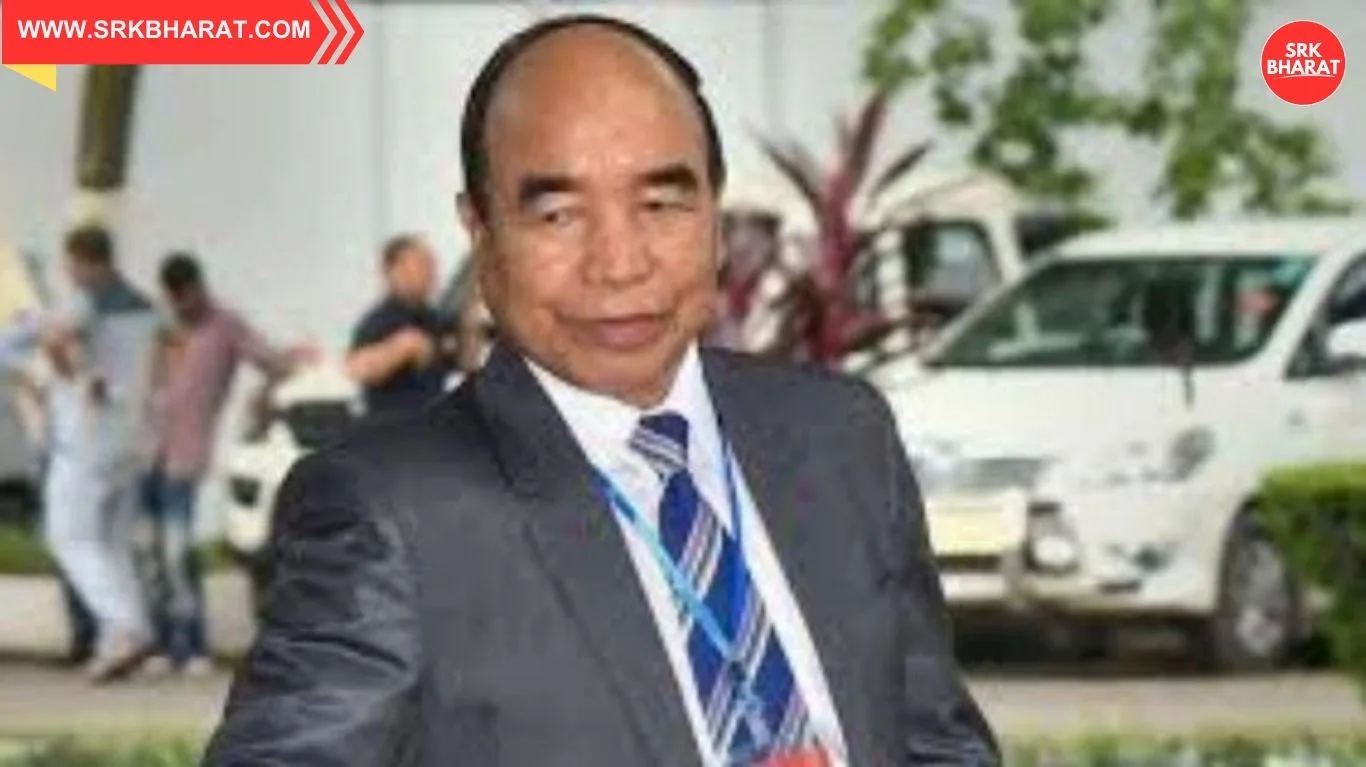





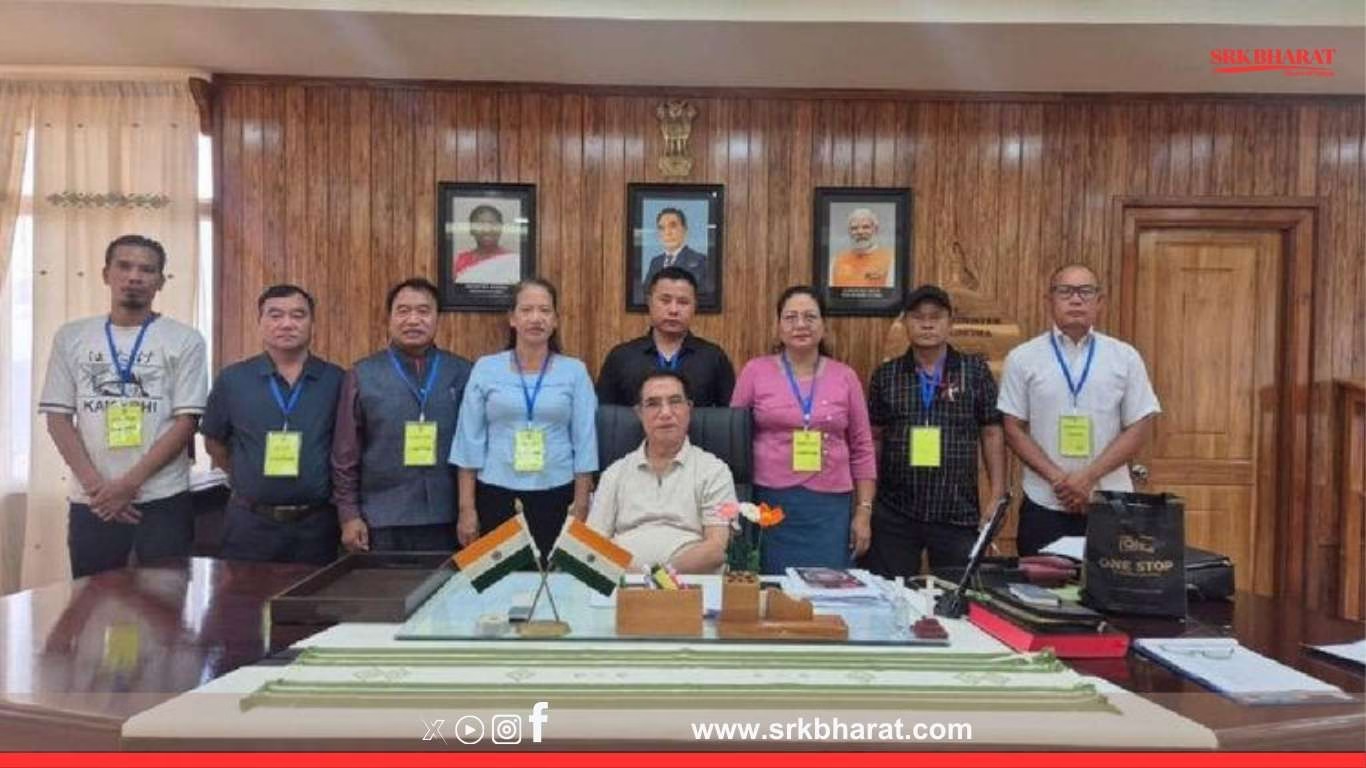
In a major push to strengthen agro-based livelihoods and diversify its plantation economy, the Mizoram government has approved an additional 173 hectares of land for rubber cultivation under the second phase of the Chief Minister’s Rubber Mission. The expansion, announced by Chief Minister Lalduhoma during a high-level meeting with the Mizoram Rubber Society (MIRSO), brings the total area under the second phase to 2,400 hectares, reinforcing the state’s commitment to becoming a significant player in India’s rubber production landscape.
The decision follows a proposal submitted by MIRSO President Hrangzuala, outlining strategic activities across villages in Mamit district—one of Mizoram’s key rubber-growing zones. The move is expected to benefit hundreds of small and marginal farmers, enhance local employment, and improve value addition through processing infrastructure.
🧭 Strategic Expansion Under the Rubber Mission
The Chief Minister’s Rubber Mission, launched as a flagship livelihood enhancement programme, is being implemented in phases. The second phase originally targeted 800 hectares, which was later increased by 400 hectares. With the latest approval of 173 hectares, the total additional area now stands at 573 hectares under the state’s Handholding Scheme, locally known as ‘Bana Kaih’.
| Phase | Initial Target | Additional Area Approved | Total Area (Phase 2) |
|---|---|---|---|
| Phase 2 | 800 hectares | +400 hectares | 1,200 hectares |
| Handholding Scheme | — | +173 hectares | 1,373 hectares |
| Overall Phase 2 | — | — | 2,400 hectares |
Of the 2,400 hectares earmarked for Phase 2, 1,200 hectares will be supported by the National Bank for Agriculture and Rural Development (NABARD), while the remaining 1,373 hectares will be implemented under the Handholding Scheme.
📊 Rubber Cultivation: Regional Impact and Economic Potential
Rubber cultivation in Mizoram has emerged as a viable alternative to shifting agriculture, offering long-term income stability and ecological benefits. The Mamit district, which borders Tripura and Bangladesh, has shown strong farmer participation and enthusiasm for the mission.
| District | Area Under Cultivation | Farmer Participation | Strategic Importance |
|---|---|---|---|
| Mamit | 573 hectares (new) | High | Border district, agro-climatic suitability |
| Kolasib | 400 hectares | Moderate | Processing potential |
| Aizawl | 300 hectares | Growing | Administrative support |
The expansion is expected to generate direct employment for over 2,000 individuals and indirectly benefit thousands more through allied activities such as transport, processing, and marketing.
🧠 Infrastructure Boost: 100 Rubber Processing Units Announced
To complement the expansion, Chief Minister Lalduhoma announced the establishment of 100 rubber processing units across the state. These units will be set up with government-backed subsidies and are aimed at improving value addition, reducing post-harvest losses, and enhancing market access.
| Infrastructure Component | Quantity | Support Mechanism | Expected Impact |
|---|---|---|---|
| Rubber Processing Units | 100 | Subsidy-based | Local employment, value addition |
| Storage Facilities | Planned | PPP model | Reduce wastage, improve logistics |
| Training Centres | 5 | State-funded | Skill development for rubber tapping |
The processing units will also help Mizoram tap into national and international rubber markets, positioning the state as a competitive supplier of high-quality natural rubber.
🔍 Farmer Sentiment and Community Engagement
Local farmers have welcomed the expansion with enthusiasm, praising the government’s sustained support and proactive engagement. MIRSO has played a pivotal role in mobilizing communities, conducting training sessions, and ensuring transparent implementation.
| Stakeholder Group | Feedback Summary | Role in Mission Implementation |
|---|---|---|
| Rubber Growers | Positive, eager to expand participation | Primary beneficiaries |
| MIRSO | Strategic planning and coordination | Technical partner |
| Village Councils | Supportive, facilitating land allocation | Local governance |
The Chief Minister expressed gratitude to the farming community for their cooperation and reaffirmed the government’s commitment to inclusive development.
🌍 Environmental and Cross-Border Considerations
The expansion comes amid renewed tensions along the Assam-Mizoram border, particularly in the Saikhawthlir village of Mamit district, where Mizoram officials alleged destruction of rubber plants by Assam forest personnel. Despite the flare-up, both states have held peace talks and agreed to maintain vigilance.
| Issue | Status | Government Response |
|---|---|---|
| Border Dispute (Mamit) | Under negotiation | DC-level meetings ongoing |
| Forest Land Usage Rights | Contested | Traditional rights upheld |
| Security Measures | Strengthened | Joint patrolling initiated |
The Mizoram government has reiterated that the disputed areas fall within its jurisdiction and that rubber cultivation is a legitimate livelihood activity supported by state policy.
🧠 Expert Commentary: Long-Term Vision for Mizoram’s Plantation Economy
Agricultural economists and rural development experts have lauded Mizoram’s rubber mission as a model for sustainable plantation development. Dr. Ranjana Baruah, a senior researcher at ICAR, noted:
“Rubber cultivation offers ecological stability and economic resilience. Mizoram’s phased approach, combined with processing infrastructure, is a blueprint for other northeastern states.”
Policy analyst Rakesh Dutta added:
“The integration of NABARD funding and state-level handholding ensures financial viability and social inclusion. It’s a well-rounded strategy.”
These insights underscore the mission’s potential to transform Mizoram’s agrarian landscape.
📌 Conclusion
With the approval of an additional 173 hectares under the second phase of the Chief Minister’s Rubber Mission, Mizoram has taken a decisive step toward expanding its plantation economy, empowering rural communities, and enhancing agro-industrial infrastructure. The state’s holistic approach—combining cultivation, processing, and community engagement—positions it as a rising force in India’s natural rubber sector.
As the mission progresses, the focus will remain on inclusive growth, environmental stewardship, and strategic partnerships that ensure long-term sustainability and prosperity for Mizoram’s farming population.
—
Disclaimer: This article is based on publicly available government statements and regional news reports as of August 21, 2025. It is intended for informational purposes only and does not constitute agricultural or investment advice.